
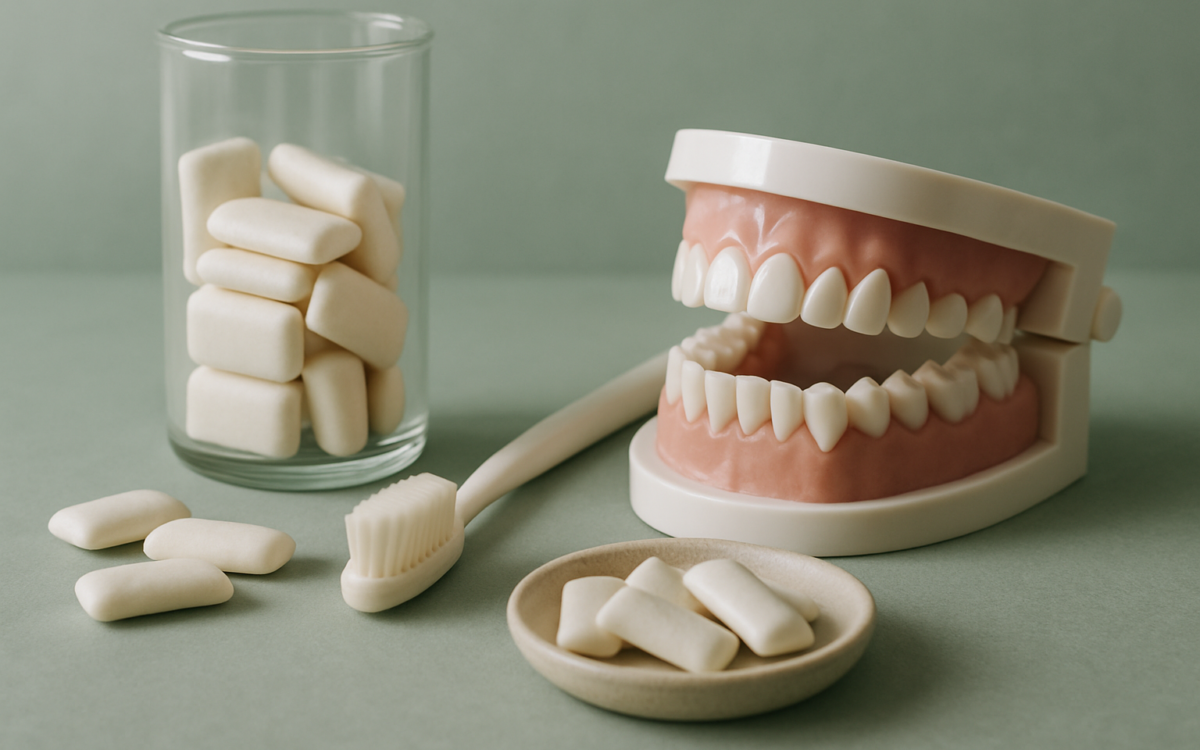
Have you ever stopped to think about what exactly is in that chewy, flavorful piece of gum you enjoy? Chewing gum has been around for centuries, and while its basic purpose remains the same—freshening breath and providing a burst of flavor—the ingredients that make up gum have evolved significantly. In this article, we will explore the composition of chewing gum, its various types, and some insights into its benefits and potential downsides.
The Basic Ingredients of Chewing Gum
At its core, chewing gum consists of four main components:
- Gum Base: The central component that gives gum its chewy texture. The gum base can be made of natural or synthetic materials, including latex, resins, and waxes.
- Sugar or Sweeteners: Traditional gum contains sugar, but many modern varieties use artificial sweeteners. These sweeteners can be low-calorie options like aspartame or natural ones like stevia.
- Flavorings: These provide the distinct flavors we associate with gum, ranging from mint to fruit flavors. These flavorings can be natural or artificial.
- Colorants: Many gums also contain food colorings to enhance their visual appeal.
Each of these components plays a crucial role in the final product. The gum base is what keeps the gum chewy, while sweeteners and flavorings make it enjoyable to chew.
Different Types of Chewing Gum
Chewing gum can be categorized into several types, each with its own distinct formulation:
- Regular Chewing Gum: Usually contains sugar or high fructose corn syrup, providing a sweet taste. However, due to concerns about dental health, many people are moving towards sugar-free alternatives.
- Sugar-Free Gum: These gums are sweetened with artificial sweeteners. Research shows they can help reduce tooth decay by increasing saliva production, which neutralizes acids in the mouth (source: Mayo Clinic).
- Bubble Gum: Designed to blow bubbles, this type often contains a softer gum base and additional sweeteners and flavors.
- Functional Gum: This category includes gums that offer added benefits, such as energy-boosting components or those that support oral health with ingredients like xylitol.
Each type of gum serves varied purposes, from breath freshening to satisfying cravings, and even to supporting oral health.
Health Benefits of Chewing Gum
Surprisingly, chewing gum isn’t just a guilty pleasure; it can also come with several health benefits:
- Improved Oral Health: Sugar-free gum can help reduce plaque and cavities by stimulating saliva production, which washes away food particles and neutralizes acids in the mouth.
- Stress Relief: Studies suggest that chewing gum may help reduce stress and improve focus, potentially making it a useful tool for managing anxiety during long study sessions or busy workdays.
- Digestion Aid: Chewing gum may increase saliva production, which aids digestion and can help with the swallowing of food.
However, it’s essential to remember that while these benefits can be interesting, they shouldn’t replace regular dental care and good dietary habits.
Concerns Around Chewing Gum
While chewing gum has benefits, there are also some concerns to consider:
- Dental Issues: Gum that contains sugar can contribute to tooth decay. It is crucial to choose sugar-free options if you want to enjoy gum without risking your dental health.
- Jaw Problems: Excessive chewing can lead to jaw strain or temporomandibular joint (TMJ) disorders. Moderation is key when enjoying gum.
- Digestive Discomfort: Some artificial sweeteners, such as sorbitol, can cause gastrointestinal discomfort in certain individuals when consumed in large quantities.
Being aware of these concerns can help you make informed choices about the types of gum you consume.
An International Perspective on Chewing Gum
The popularity of chewing gum varies around the world, with different cultures enjoying various flavors and types. In many countries, chewing gum is seen as a social activity, while in others, it has medicinal applications. For example, some cultures use chewing gum as a remedy for digestive issues.
For those traveling or looking for international treatments, an organization like Acibadem International provides resources and insights into health practices across the globe, including the role of products like chewing gum in different dietary habits.
FAQs About Chewing Gum
Can chewing gum replace brushing my teeth?
No. While sugar-free gum can help in cleaning your teeth by stimulating saliva production, it doesn’t replace regular brushing and flossing. Always maintain a good dental hygiene routine.
Is it safe to chew gum during pregnancy?
Generally, it is safe to chew gum during pregnancy. However, consult your healthcare provider, especially if you have concerns about artificial sweeteners or any other dietary components.
How long does gum last before losing flavor?
The flavor of gum typically lasts about 15 to 30 minutes, depending on the brand and ingredients used. After that, many people choose to discard it.
When to See a Doctor
If you experience persistent jaw pain, headaches, or any digestive issues that seem to worsen with gum chewing, it’s a good idea to consult a healthcare professional. They can provide advice tailored to your situation.
In conclusion, chewing gum is more than just a sweet treat; it’s a blend of ingredients that can offer both enjoyment and benefits. By understanding what gum is made of and the effects it may have on your health, you can make more informed choices about your chewing habits.
