
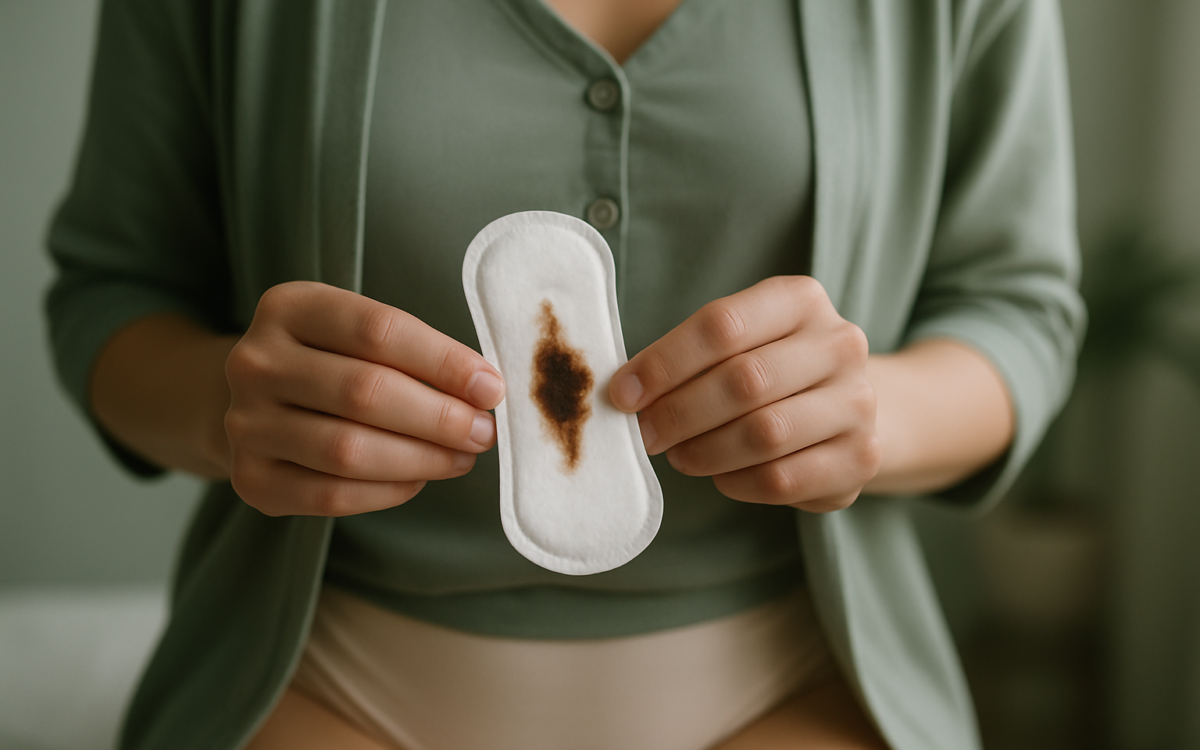
Experiencing brown discharge after your period can be puzzling and even concerning for many. While it’s not uncommon, understanding what it signifies is important for your overall health. This article will delve into the various causes of brown discharge that may occur following your menstrual cycle, exploring when it’s normal and when it may warrant a doctor’s visit.
What Does Brown Discharge Mean?
First, let’s clarify what brown discharge is. Blood that is expelled from the body during menstruation can take on different colors, including bright red, dark red, and brown. Brown discharge usually indicates that the blood is older and has taken longer to exit the uterus. This can happen during your period but may also occur in the days immediately following your menstrual cycle.
Common Causes of Brown Discharge After Your Period
There are several potential explanations for brown discharge after your period, many of which are benign. Let’s explore these possibilities:
1. Normal Menstrual Process
For many, brown discharge is just a natural part of the menstrual cycle. Often, the last few days of a period may include brownish spotting as the flow lightens. This is simply older blood that takes longer to leave your body.
2. Hormonal Changes
Your hormone levels fluctuate throughout your cycle, which can affect your body in various ways. Hormonal imbalances may lead to irregular bleeding or spotting, which can manifest as brown discharge after your period. If you recently started or stopped hormonal contraception, this could also play a role.
3. Ovulation
Some women experience spotting during ovulation, which typically occurs around the midpoint of the menstrual cycle. This spotting may sometimes appear brown due to its age and can confuse many into thinking it’s related to their period.
4. Implantation Bleeding
If you’re sexually active and could be pregnant, brown discharge may occur due to implantation bleeding. This is light spotting that can happen when a fertilized egg attaches to the uterine lining, leading to slight bleeding. Implantation bleeding usually occurs about a week after conception and is often lighter than a normal period.
5. Infections
In some cases, brown discharge might indicate an infection. Conditions like pelvic inflammatory disease (PID) or sexually transmitted infections (STIs) can cause unusual discharge, including brown spotting. Infections are often accompanied by other symptoms, such as an unusual odor, itching, or discomfort.
6. Other Medical Conditions
Certain medical conditions, such as endometriosis or fibroids, can also cause changes in your discharge. Endometriosis occurs when the tissue similar to the uterine lining grows outside the uterus, leading to potential spotting or bleeding. If you experience persistent brown discharge along with significant pain or other unusual symptoms, it’s critical to consult a healthcare professional.
When a Doctor Visit is Recommended
While brown discharge can often be normal, there are times when it’s wise to consult with a healthcare provider:
- If the discharge has a strong, unpleasant odor.
- If you experience fever or severe abdominal pain.
- If the brown discharge continues for several cycles.
- If you notice additional symptoms like itching, burning, or irregular menstrual cycles.
- If you suspect you might be pregnant and experience brown spotting.
How to Track Your Cycle
Keeping track of your menstrual cycle can provide valuable insights into your reproductive health. Consider using a calendar or a tracking app to log your periods, any unusual discharge, symptoms, and other relevant factors. This can help you identify patterns over time and assist your doctor in making an accurate diagnosis if needed.
Conclusion
Brown discharge after your period is usually not a cause for concern, often indicating a normal bodily process. However, being aware of what’s typical for your body and recognizing potential warning signs can help you take proactive steps in managing your health. Remember, if anything seems unusual or concerning, don’t hesitate to consult your healthcare provider for personalized advice.
For further information on menstrual health, you might find resources from the NIH and CDC helpful in understanding your body better.
