
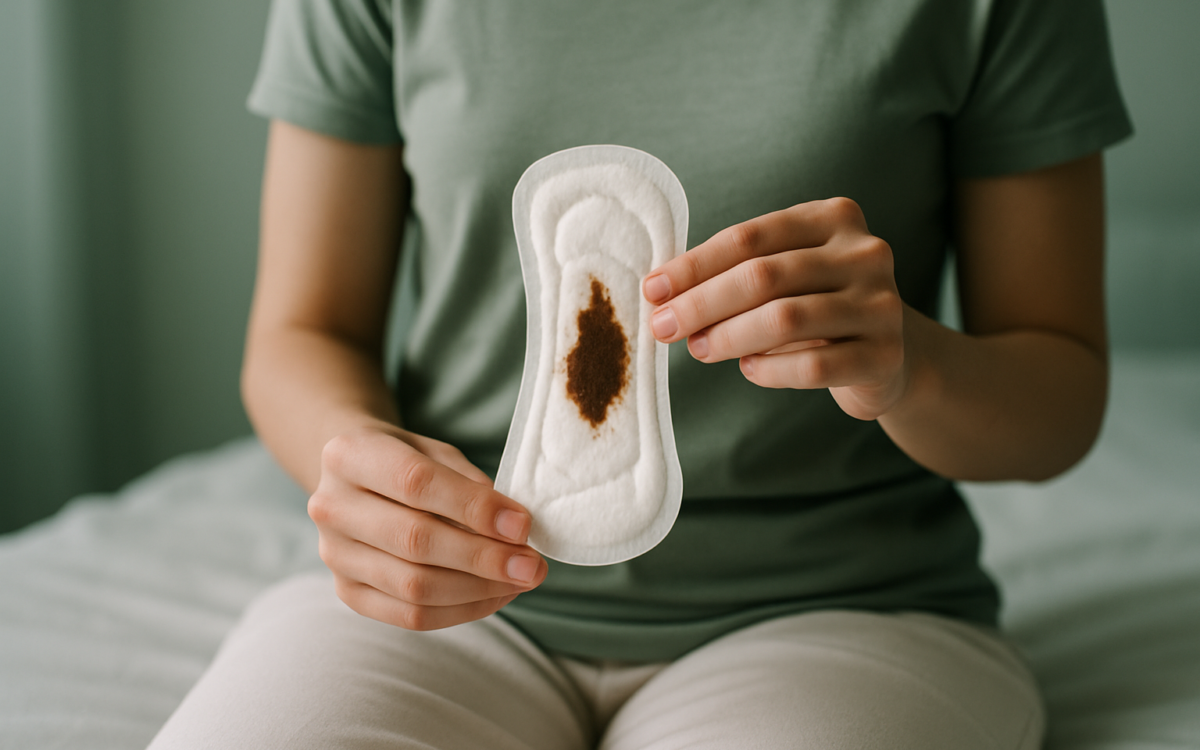
For many women, the menstrual cycle can be a rollercoaster of experiences. While heavy bleeding, cramps, and mood swings are common, sometimes the color of menstrual blood can raise questions. Brown bleeding during a period is one such concern that many may find puzzling. Is it normal? Does it signal something more serious? Let’s dive into the details to help you understand what brown bleeding could mean.
What Is Brown Bleeding?
Brown bleeding refers to menstrual flow that appears brown rather than the usual bright red. The color can range from light beige to dark brown. This change in color is primarily due to the age of the blood and how long it takes for it to exit the body. Blood that spends more time in the uterus may oxidize, turning brown as it leaves the body.
Common Causes of Brown Bleeding
There are several reasons why you might experience brown bleeding during your period. Understanding these can help ease your mind and inform your decisions about health.
1. Normal Variation in Menstrual Blood
For many women, it’s completely normal to notice brown bleeding, especially at the beginning or end of a period. This can often be just older, slower-moving blood leaving the body. The menstrual cycle can vary widely from person to person, and these slight changes in color can simply be a part of your individual rhythm.
2. Hormonal Changes
Your hormones play a significant role in regulating your menstrual cycle. Fluctuations in estrogen and progesterone levels can affect the thickness of the uterine lining, leading to brown bleeding. Such fluctuations can occur due to stress, diet, exercise, or various medications.
3. Pregnancy-Related Changes
In some cases, brown bleeding may happen during the early stages of pregnancy. Known as implantation bleeding, this occurs when a fertilized egg attaches to the uterine lining. It is typically lighter than a normal period and lasts for a shorter duration. If you suspect you might be pregnant and experience brown bleeding, you may want to take a test or consult a healthcare provider.
Other Considerations for Brown Bleeding
While brown bleeding can often indicate normal variations in your menstrual cycle, there are instances where it could signify something more serious. Understanding these scenarios is crucial.
1. Uterine Fibroids or Polyps
Uterine fibroids and polyps are benign (non-cancerous) growths in the uterus that can lead to abnormal bleeding patterns, including brown discharge. They are often linked with heavier menstrual periods, but they can also cause spotting between periods, which may be brown in color.
2. Endometriosis
This condition occurs when the tissue similar to the lining of the uterus grows outside it, often causing pain and irregular bleeding. Brown discharge may be a symptom of endometriosis, particularly if it occurs outside of your typical menstrual schedule.
3. Infections
Certain infections, such as pelvic inflammatory disease (PID) or sexually transmitted infections (STIs), can lead to changes in menstrual bleeding. If you experience brown discharge accompanied by unusual odors, pain, or fever, it may be a sign of an underlying infection that needs prompt medical attention.
When to See a Doctor
While brown bleeding can often be benign, it is essential to recognize when it may require medical examination. Consider consulting a healthcare provider if:
- The brown bleeding is accompanied by severe pain or unusual symptoms.
- It occurs between periods or after sex.
- You notice a significant change in your menstrual patterns.
- It persists over several cycles.
- You have a history of reproductive health issues.
Taking these symptoms seriously can help identify potential issues early on and provide peace of mind.
Conclusion
Brown bleeding during your period can feel concerning, but it is often normal and may not be a cause for alarm. Understanding the potential reasons behind this phenomenon, from natural variations to conditions requiring attention, can empower you to make informed decisions about your health. Always remember, if you have concerns about your menstrual health or experience drastic changes, consulting a healthcare professional is the best course of action. For more information about menstrual health, you can refer to sources like the NIH and Mayo Clinic.
