
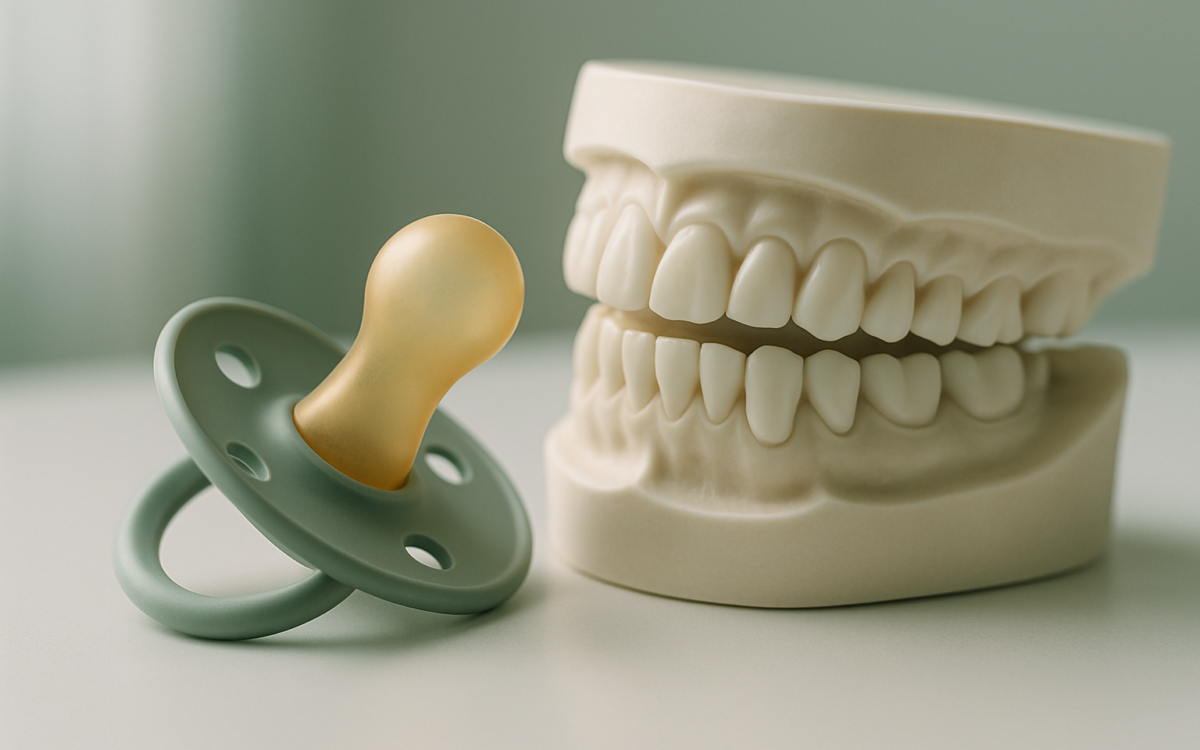
For many parents, soothers, also known as pacifiers or teats, are a comforting tool for soothing fussy infants. They can provide quick relief during stressful moments and help babies sleep better. However, many might wonder about the long-term impact these small items may have, especially concerning dental health. Understanding how soothers interact with your child’s teeth can help parents make informed decisions and foster healthy habits from the start.
The Role of Soothers in Infants’ Lives
Soothers can fulfill a variety of needs in a baby’s life. They not only help with soothing but can also satisfy a natural sucking reflex. Sucking is a comforting action that many infants find soothing, and in some cases, it can even help with colic symptoms. The American Academy of Pediatrics (AAP) has suggested that pacifiers might help reduce the risk of sudden infant death syndrome (SIDS) when used during sleep.
How Soothers Affect Dental Development
While soothers can provide comfort, they can also have a significant impact on dental development. Prolonged use, particularly beyond the age of two or three, may lead to several dental issues:
- Altered Bite: Regularly using a pacifier can cause misalignment of teeth, known as malocclusion. This can lead to issues such as an overbite or underbite.
- Changes in Oral Structure: Frequent sucking on a pacifier might affect the shape of the mouth and the positioning of the teeth as the child grows.
- Tooth Decay: Soothers can become dirty, and if dipped in sweet substances (like honey), they can contribute to tooth decay when teeth begin to emerge.
It’s important to monitor the use of soothers. Limiting their use after the first year can help prevent potential dental issues.(Mayo Clinic)
Recognizing the Signs of Dental Issues
As your child grows, keep an eye on their dental health. Some signs that might indicate problems include:
- Teeth that appear misaligned or overlapping
- Difficulty in chewing or biting
- Changes in speech clarity
- Unusual wear on teeth surfaces
If you observe any of these symptoms, a visit to the dentist is essential. Early intervention can mitigate many concerns related to misalignment or decay.
Alternatives to Soother Use
While soothers can be effective, alternatives exist to help calm or comfort a child. Some alternatives include:
- Thumb Sucking: Some infants may prefer thumb sucking, which can be less harmful than prolonged pacifier use.
- Comfort Objects: Stuffed animals or blankets can provide comfort without affecting dental health.
- Distraction Techniques: Introducing engaging activities or toys can help redirect a child’s focus away from the need to suck.
If you’re considering transitioning away from a soother, be gentle. Gradually reducing use can help make the change easier for your child.
Finding International Treatment Perspectives
For parents seeking international expertise on pediatric oral health, exploring resources such as Acibadem International can provide a broader understanding of best practices and treatment options available globally. Different countries may have varying approaches to early childhood dental care, so learning from diverse medical perspectives can be invaluable.
Maintaining Good Oral Hygiene
As soon as your child’s first teeth appear, it’s essential to start good oral hygiene practices. Here are some tips for maintaining healthy teeth:
- Regular Brushing: Start brushing teeth twice a day with a fluoride toothpaste once they arrive, using a soft-bristled toothbrush designed for children.
- Healthy Diet: Offer a balanced diet that limits sugary snacks and drinks which can contribute to tooth decay.
- Regular Dental Check-ups: Schedule visits to the dentist every six months to monitor progress and tackle any emerging issues.
Besides promoting good habits, positive experiences during dental visits can help diminish fears and anxiety about going to the dentist in the future.
When to See a Doctor
If you notice any troubling signs in your child’s dental health, such as pain, bleeding, or any changes in how their teeth are growing, it’s best to consult a dentist. Additionally, if you’re struggling to manage your child’s soother use or have concerns about their oral health, professional guidance can help navigate these challenges.
Conclusion
Soothers can be a helpful tool for soothing infants and young children, but they come with a potential trade-off regarding dental health. By understanding the implications and taking steps to maintain healthy oral habits, parents can help ensure their children grow up with a healthy smile. Remember, every child is unique, so keeping an open line of communication with healthcare providers is key in promoting their well-being.
