
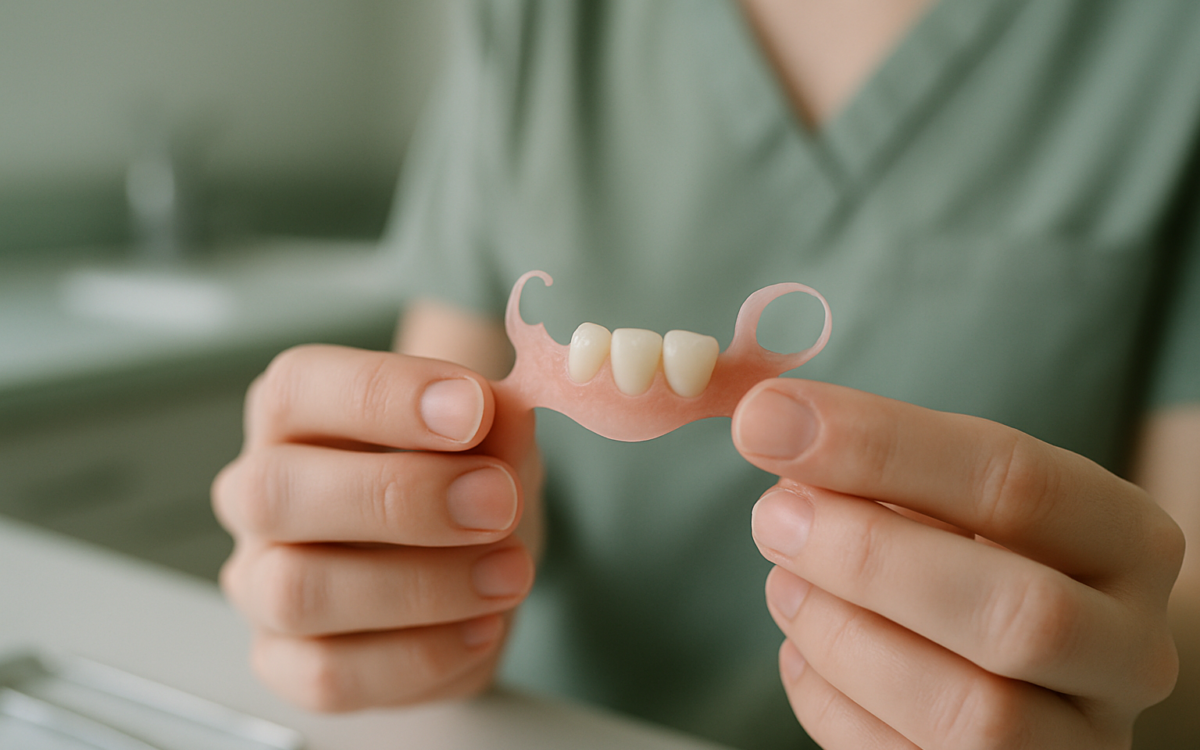
When it comes to losing a tooth, many people feel the impact immediately—not just on their smile but also on their confidence and ability to chew. A dental flipper is a simple, removable device designed to replace missing teeth temporarily. Understanding how dental flippers work, their benefits, and what to expect can help you make informed decisions about your dental health.
What is a dental flipper?
A dental flipper is a type of removable partial denture that replaces one or more missing teeth. It’s often made from acrylic or a combination of acrylic and metal, making it lightweight and comfortable to wear. Unlike fixed dentures, flippers are easily removable, allowing for better maintenance and hygiene.
Why choose a dental flipper?
There are several reasons someone might choose a dental flipper over other tooth replacement options:
- Affordability: Dental flippers are generally less expensive compared to fixed dental implants and full dentures.
- Quick Solution: They can be created relatively quickly, offering immediate relief for tooth loss without waiting for more permanent solutions.
- Non-invasive: Unlike implants that require surgery, a flipper does not require alterations to the surrounding teeth or bone.
- Realistic Appearance: Modern dental flippers are designed to blend seamlessly with your natural teeth, enhancing your smile.
How to care for your dental flipper
Maintaining proper hygiene with your dental flipper is crucial to ensure it lasts and to prevent oral health issues. Here are some care tips:
- Daily Cleaning: Clean your flipper daily with a soft brush and mild soap or a non-abrasive denture cleaner. Avoid using regular toothpaste, as it may scratch the surface.
- Soaking: Soak your flipper in water or a denture solution when not in use to prevent it from drying out and losing shape.
- Oral Hygiene: Continue to brush your teeth and gums regularly, and floss around any remaining teeth to maintain overall oral health.
Who can benefit from a dental flipper?
Dental flippers are generally suitable for anyone who has lost a tooth or multiple teeth but may not be ready for more permanent solutions. They are a common choice for:
- Individuals awaiting dental implants or other permanent replacements.
- People requiring temporary solutions due to injury or dental procedures.
- Those seeking a cost-effective way to restore their smile.
What to expect during the process
If you’re considering a dental flipper, here’s what to expect:
- Initial Consultation: Your dentist will examine your mouth and discuss your needs, helping you decide if a flipper is right for you.
- Impressions: They will take impressions of your mouth to create a custom fit for your flipper.
- Fitting: After a few days or weeks, you will return to have the flipper fitted and adjusted for comfort.
For patients traveling from abroad, clinics like international patient services can assist in coordinating your dental treatments, making the entire process smoother.
Limitations of dental flippers
While dental flippers offer several advantages, they do have limitations:
- Stability: Flippers may feel less secure than permanent solutions, especially when chewing hard foods.
- Dietary Restrictions: Some dentists recommend avoiding certain foods that could damage the flipper.
- Life Span: Flippers generally aren’t as durable as fixed options, requiring replacement every few years.
When to see a doctor
If you experience discomfort, pain, or difficulty fitting your dental flipper, it’s essential to consult your dentist. Regular check-ups ensure that your oral health is maintained, especially after losing a tooth.
In conclusion, dental flippers can be an effective temporary solution for tooth replacement. They provide an affordable and quick option, allowing you to maintain your smile and confidence while planning for more permanent solutions. By following proper care techniques and discussing your options with your dentist, you can make the most of this dental device.
