
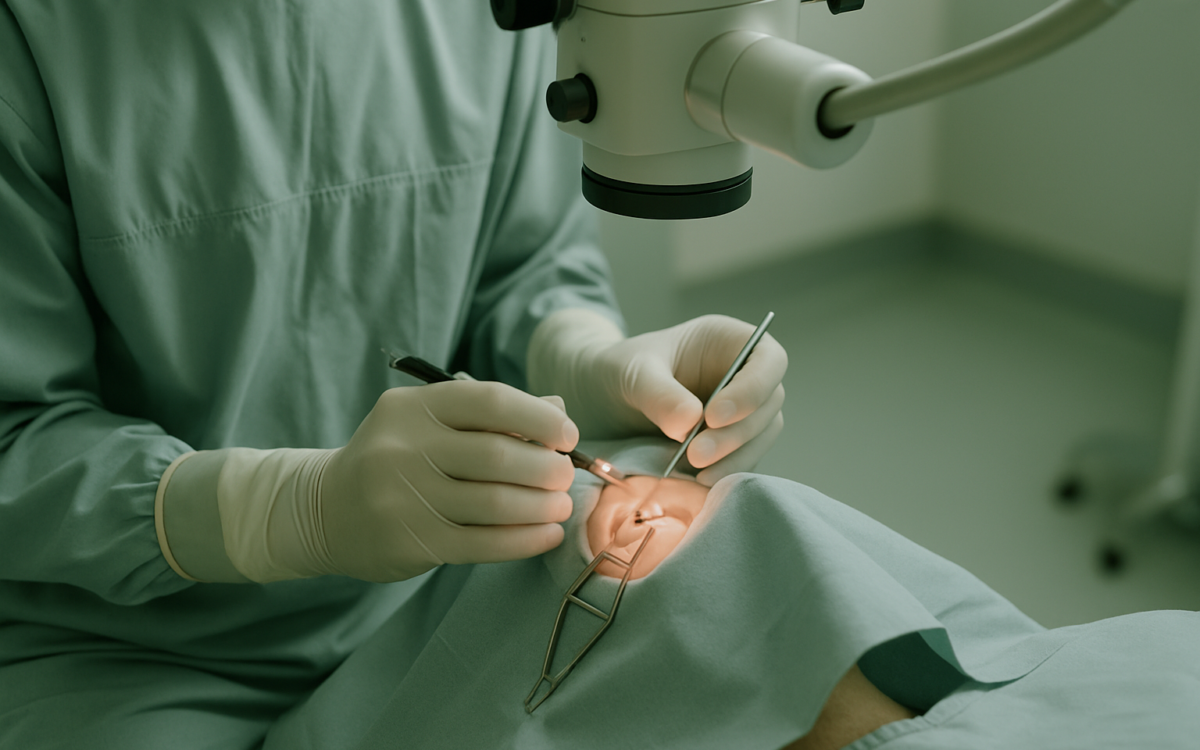
Glaucoma is often called the ‘silent thief of sight’ because it can progress without noticeable symptoms until significant damage has occurred. It’s a leading cause of irreversible blindness worldwide, making awareness and management crucial. When lifestyle changes and medications are not enough to control eye pressure, surgery may be recommended. Understanding the types of glaucoma surgery, recovery, and when to seek help is essential for anyone affected by this condition.
What Is Glaucoma?
Glaucoma refers to a group of eye conditions that damage the optic nerve, usually due to excessive pressure in the eye. The buildup of pressure can hinder the flow of fluids within the eye, affecting vision over time. There are several types of glaucoma, but the most common are open-angle glaucoma and angle-closure glaucoma. According to the World Health Organization, early detection and treatment are vital to prevent vision loss.
When Is Surgery Necessary?
Surgery for glaucoma may be considered when:
- Medications fail to lower intraocular pressure effectively.
- Side effects from medications pose health risks or discomfort.
- The condition significantly progresses despite treatment.
It’s essential to consult an ophthalmologist to determine if surgery is the right choice based on individual circumstances and the specific type of glaucoma.
Types of Glaucoma Surgery
There are several surgical options available for glaucoma treatment. Here, we cover the most common types:
1. Trabeculectomy
This is one of the most traditional forms of glaucoma surgery. In a trabeculectomy, the surgeon creates a new drainage path for fluid to escape the eye, reducing eye pressure. The surgery is typically performed as an outpatient procedure, meaning patients can return home the same day.
2. Tube Shunt Surgery
In cases where other surgeries may not be effective, tube shunt surgery may be recommended. This involves placing a small tube in the eye to help drain fluid and lower pressure. Like trabeculectomy, this procedure is also usually done on an outpatient basis.
3. Laser Surgery
There are various laser treatments used to control intraocular pressure, including:
- Laser Peripheral Iridotomy: Typically used for angle-closure glaucoma, this procedure creates a small hole in the peripheral iris to improve fluid drainage.
- Selective Laser Trabeculoplasty (SLT): This technique uses a laser to target specific cells in the drainage area of the eye, enhancing fluid flow and lowering pressure.
Laser surgeries often have shorter recovery times and may even be used in combination with other surgeries.
Recovery After Glaucoma Surgery
Recovery times can vary depending on the type of surgery. Here are some general expectations:
- For trabeculectomy, recovery may take a few weeks, during which medication drops are typically prescribed to prevent infection and reduce inflammation.
- Tube shunt surgery may also involve a similar recovery timeline, with follow-up visits to monitor the eye’s healing process.
- Laser surgeries often have a quicker recovery, sometimes requiring only a day or two before returning to normal activities.
Post-surgery, patients should watch for symptoms like increasing pain, redness, or vision changes, and report them to their doctor immediately.
Potential Risks and Complications
While glaucoma surgeries are generally safe, they do come with risks. Some potential complications may include:
- Infection
- Bleeding
- Low intraocular pressure
- Vision changes, such as blurred vision or halos around lights
It is essential to discuss these risks with your ophthalmologist to understand the likelihood based on individual health factors.
When to See a Doctor
If you have been diagnosed with glaucoma or are experiencing symptoms like blurred vision, severe eye pain, headache, or seeing halos around lights, it is crucial to consult an eye care professional promptly. Regular eye exams can help catch changes in your eye health early and assess whether surgical intervention is needed.
Conclusion
Glaucoma surgery can play a significant role in preserving vision and preventing the progression of this potentially debilitating condition. Understanding your options, recovery, and risks can empower you in your eye health journey. Remember that effective communication with your ophthalmologist and regular eye exams are essential components of managing glaucoma. Stay informed, proactive, and reach out for help when needed.
