
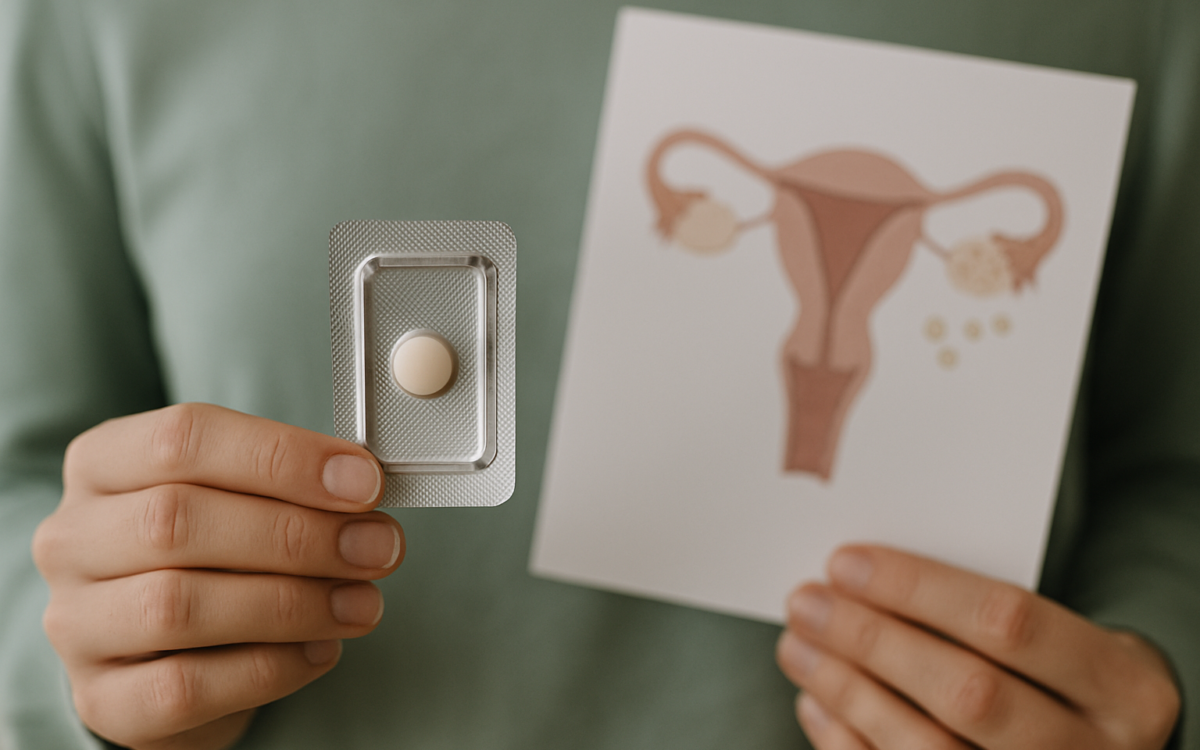
When faced with an unexpected circumstance that may lead to pregnancy, many people consider emergency contraception like Plan B. While it’s a widely discussed option, there are still questions about how it really works, especially concerning the timing of ovulation. This article will explore the effectiveness of Plan B during ovulation, how it functions in the body, and what you need to know to make informed decisions about your reproductive health.
What is Plan B and how does it work?
Plan B, also known as the morning-after pill, is a type of emergency contraception designed to prevent pregnancy after unprotected sex or contraceptive failure, such as a broken condom. The active ingredient in Plan B is levonorgestrel, a hormone that helps to delay ovulation, prevent fertilization, and possibly stop a fertilized egg from implanting in the uterus.
Understanding the ovulation cycle
To comprehend how Plan B works, it’s crucial to understand the basics of the menstrual cycle and ovulation. Typically, the menstrual cycle lasts about 28 days, although it can vary from person to person. Here are the key phases:
- Follicular Phase: The first half of the cycle when the body prepares an egg for ovulation.
- Ovulation: Usually occurs around days 12-16 of the cycle when the ovary releases an egg.
- Luteal Phase: The time following ovulation, lasting until the start of the next period.
Does Plan B work during ovulation?
The effectiveness of Plan B is closely tied to the timing of administration in relation to ovulation. If you take Plan B before ovulation or on the day of ovulation, it may still prevent pregnancy by delaying ovulation. However, if ovulation has already occurred, Plan B is less likely to be effective because it does not disrupt an established pregnancy.
Research indicates that Plan B is most effective when taken as soon as possible after unprotected intercourse. The sooner it’s taken, the higher the chances that ovulation will be delayed or prevented altogether. In situations where ovulation has already happened, it’s important to understand that Plan B will not terminate an existing pregnancy but works primarily to prevent fertilization and ovulation (NIH).
Factors affecting Plan B’s effectiveness
Various factors can influence how well Plan B works, particularly during ovulation:
- Timing: Taking Plan B as soon as possible, preferably within 72 hours after unprotected sex, increases its effectiveness.
- Body weight: Some studies suggest that Plan B may be less effective in individuals with a higher body mass index (BMI); alternatives such as the ulipristal acetate pill may be considered.
- Menstrual cycle irregularities: If someone has a highly irregular cycle, predicting ovulation can be challenging, making timing crucial.
Alternatives to Plan B
If you find yourself in need of emergency contraception and are concerned about the timing of ovulation, other options are available. One effective alternative is ulipristal acetate, sold under the brand name Ella, which can be taken up to 120 hours after unprotected sex. This medication works differently from Plan B and may be more effective in certain situations, especially regarding timing close to ovulation.
Consulting a healthcare provider can help you explore the most suitable options for your situation, including regular contraceptive methods, to avoid the need for emergency contraception in the future.
When to see a doctor
If you have taken Plan B and experience unusual symptoms or have concerns about its effectiveness, consulting a healthcare professional is crucial. You should seek medical attention if:
- You experience severe abdominal pain after taking Plan B.
- Your period is more than a week late.
- You observe any unusual bleeding.
Conclusion
Understanding how Plan B works, particularly in relation to ovulation, can empower individuals when dealing with unexpected situations. While Plan B can be an effective form of emergency contraception, its effectiveness largely depends on the timing of administration relative to the ovulation cycle. If you’re unsure or have questions, don’t hesitate to consult a healthcare provider for personalized advice and support.
