
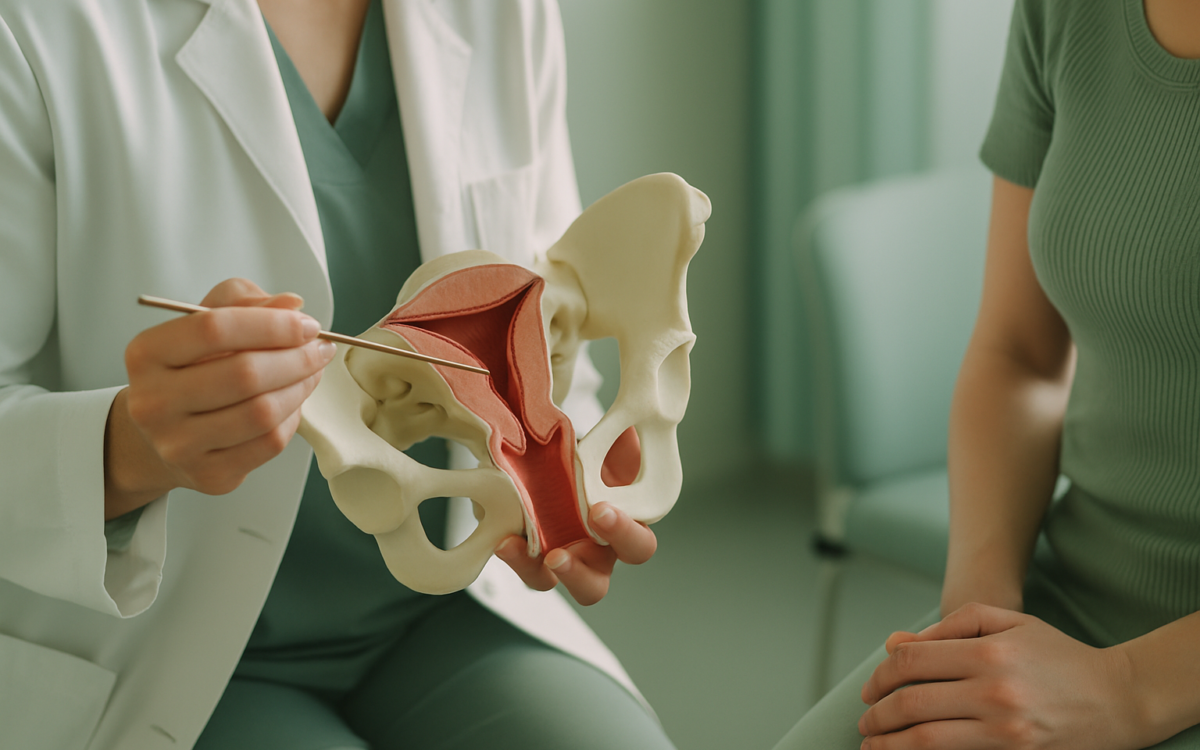
The vaginal cuff is a term that you may encounter if you have undergone a hysterectomy or have been discussing it with your healthcare provider. Whether you are currently facing surgery or are simply curious about women’s health, understanding the vaginal cuff can help you feel more informed and empowered.
What is the Vaginal Cuff?
The vaginal cuff is the upper part of the vagina that remains after a hysterectomy, a surgical procedure to remove the uterus. When the uterus is removed, the upper part of the vagina is stitched shut to create a cuff, hence the name. This cuff serves several important functions in the female body.
Why is the Vaginal Cuff Important?
The vaginal cuff plays a vital role in maintaining the structure and function of the pelvic floor. It helps in several ways:
- Support: The cuff provides support to the surrounding organs, including the bladder, uterus (if any tissue remains), and rectum, helping to prevent issues like prolapse.
- Framework for Healing: After surgery, the cuff is essential for healing. The stitching can take weeks to months to fully heal, and caring for it helps prevent complications.
- Sexual Function: For many women, the vaginal cuff can also impact sexual function. Awareness and understanding of this area can help in navigating any changes post-surgery.
Pitfalls and Concerns to Watch For
As with any surgical procedure, there can be various concerns associated with the vaginal cuff. Here are some common issues to be mindful of:
Infection
Post-surgery, there is a risk of infection at the vaginal cuff site. Symptoms can include increased pain, fever, or unusual discharge. Maintaining good hygiene and following your doctor’s post-surgery instructions can help mitigate this risk.
Bleeding
Spotting or light bleeding can be common in the early days following surgery. However, if you experience heavy bleeding or clots, it’s essential to consult your healthcare provider.
Changes in Sexual Function
Some women report changes in sexual sensations or experiences post-hysterectomy. While some may find that sexual function returns to normal, others may experience dryness or discomfort. Engage in open conversations with your partner and healthcare provider to address these changes.
Caring for the Vaginal Cuff After Surgery
Post-operative care for the vaginal cuff focuses on healing and prevention. Here are some important tips:
- Follow-Up Appointments: Attend all post-operative check-ups as advised by your healthcare provider to monitor healing.
- Avoid Strenuous Activities: It’s important to avoid heavy lifting or intense exercise until your doctor gives the green light. This helps reduce the risk of complications.
- Use Lubrication: If you experienced changes in sexual function, consider using water-based lubricants to aid comfort during intercourse.
- Educate Yourself: Understanding your body and the changes that come with a hysterectomy can help you navigate recovery and improve your quality of life.
Support and Resources
There are numerous resources available for women undergoing or recovering from a hysterectomy. Support groups, online forums, and literature can provide valuable information and community. Organizations like the Office on Women’s Health offer tools and support for navigating health conversations, making decisions, and focusing on recovery.
Conclusion
The vaginal cuff is a significant part of post-hysterectomy anatomy that plays a key role in recovery and overall female health. Being informed about what the vaginal cuff is and its importance can help you feel more empowered during your medical journey. If you have any concerns about your vaginal cuff or related matters, don’t hesitate to reach out to your healthcare provider for guidance.
When to See a Doctor
If you experience any unusual symptoms following your hysterectomy, such as severe pain, excessive bleeding, or signs of infection (fever, unusual discharge), it’s important to contact your doctor. Regular follow-ups are also crucial to ensure that your body is healing correctly.
