
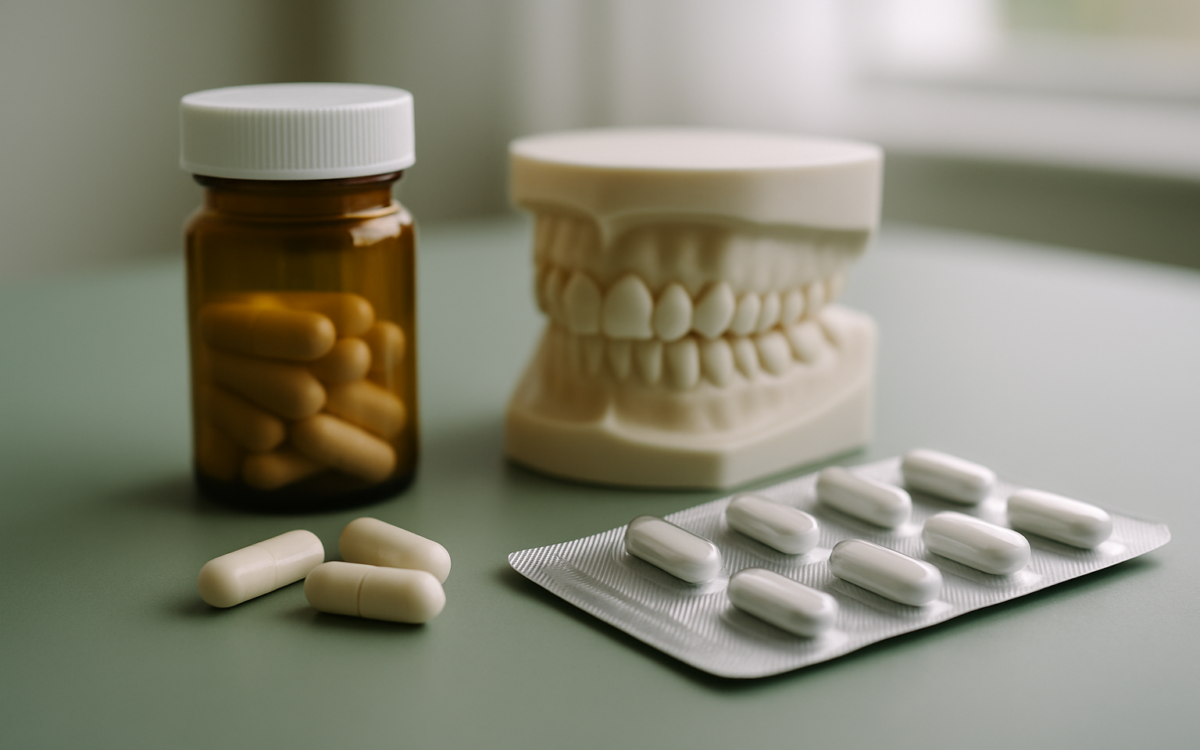
Tooth infections can be painful and distressing, often leading to more serious health issues if not treated properly. One commonly prescribed medication for these infections is amoxicillin, an antibiotic that fights bacteria. Understanding how amoxicillin works, its proper use, and potential side effects can help you navigate your treatment options more effectively.
What Is Amoxicillin?
Amoxicillin is a type of penicillin antibiotic. It’s effective in treating a variety of bacterial infections, including those associated with the teeth and gums. By inhibiting bacterial cell wall synthesis, amoxicillin helps to eradicate the bacteria that cause infections, allowing your body’s immune system to work more effectively.
When is Amoxicillin Used for Tooth Infections?
Amoxicillin is typically prescribed for dental infections like:
- Abscesses: These pockets of pus form due to bacterial infection and can be very painful.
- Pulpitis: Inflammation of the tooth pulp, often due to untreated cavities or trauma.
- Periodontitis: A serious gum infection that damages soft tissue and can destroy the bone supporting your teeth.
Doctors may recommend amoxicillin when they suspect an infection could lead to serious complications or when a patient has a weakened immune system. It’s important to note that not all tooth infections require antibiotics, and your dentist will determine the best course of action based on your individual situation.
How Is Amoxicillin Taken?
Amoxicillin is available in various forms, including capsules, tablets, and liquid forms. Typically, it is taken by mouth and can be administered with or without food. Dosage varies depending on the type and severity of the infection.
For adults, the common dosage for treating tooth infections is:
- 500 mg every 8 hours or 875 mg every 12 hours.
For children, the dosage is usually based on their weight. Always follow your healthcare provider’s instructions and never share your medication with others.
Possible Side Effects of Amoxicillin
While amoxicillin is generally well-tolerated, some people may experience side effects. Common side effects include:
- Nausea or vomiting
- Diarrhea
- Allergic reactions, such as rash or itching
- Abdominal pain
In rare cases, serious side effects may occur, including severe allergic reactions (anaphylaxis), liver problems, or severe diarrhea. If you experience any severe side effects or signs of an allergic reaction, seek medical attention immediately.
Combining Amoxicillin with Other Treatments
Amoxicillin can sometimes be used alongside other treatments for tooth infections. If you have a tooth infection, your dentist may also advise:
- Drainage: If there is an abscess, your dentist may need to drain it to relieve pain and pressure.
- Pain relief: Over-the-counter pain relievers like ibuprofen or acetaminophen can help manage discomfort.
- Dental procedures: In some cases, a root canal or extraction may be necessary to fully address the infection.
It’s critical to follow your dentist’s recommendations to ensure effective treatment. Using amoxicillin alone may not resolve the underlying issue if dental procedures are needed.
When to See a Doctor
Although mild tooth infections may resolve with home care and antibiotics, you should see a doctor or dentist if you experience:
- Severe pain or swelling
- Fever or chills
- Difficulty swallowing or breathing
- Symptoms that worsen despite taking the prescribed medication
Early intervention can significantly reduce the risk of complications and promote proper healing.
Conclusion
Amoxicillin can be an effective treatment for tooth infections when prescribed by a healthcare provider. By understanding its role, proper usage, potential side effects, and the importance of accompanying dental care, you can take charge of your oral health. Always consult your dentist about any concerning symptoms and to determine the best treatment plan tailored to your needs. For more information on antibiotics and dental health, resources like the Mayo Clinic or NIH can provide reliable guidance.
