
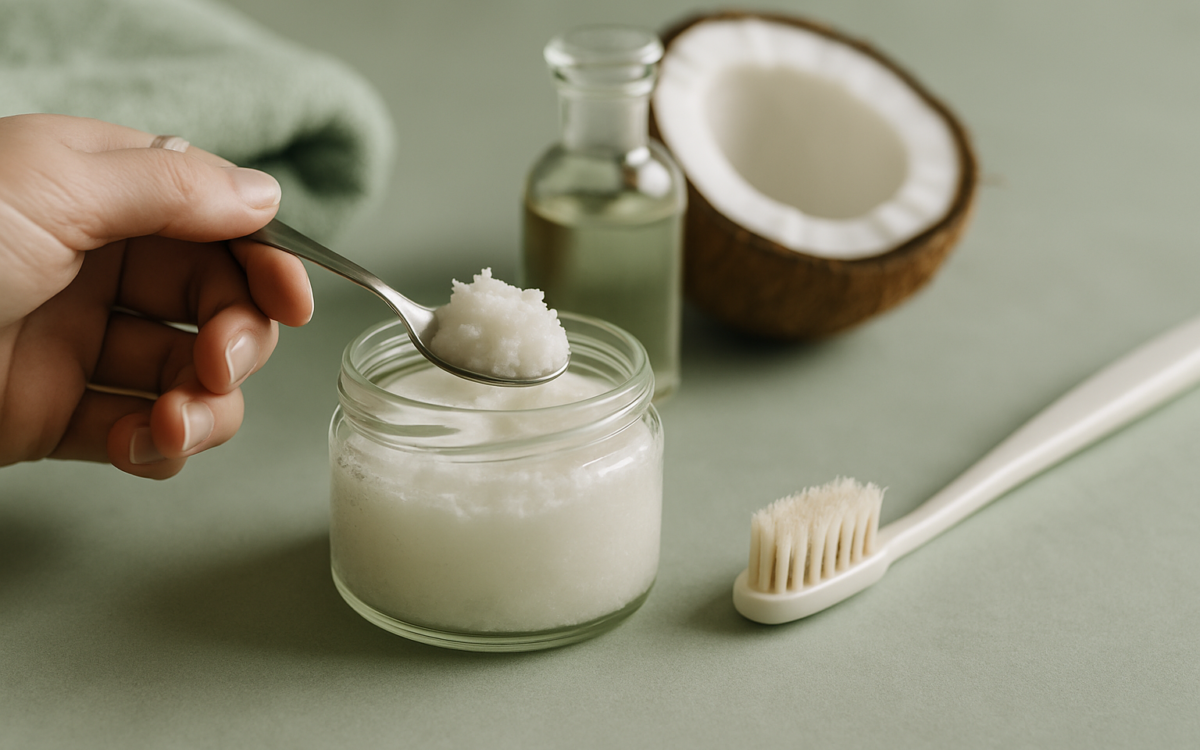
Coconut oil has exploded in popularity over the past decade, noted for its many uses in cooking, beauty routines, and now, oral health. Many people are curious about how this natural oil can contribute to maintaining healthy teeth and gums. If you’ve heard about oil pulling or are simply looking for natural ways to enhance your dental care, coconut oil may be worth considering. Here, we explore its benefits, how to use it, and what the research says.
What Is Coconut Oil?
Coconut oil is extracted from the meat of mature coconuts. Like other oils, it’s made up of fatty acids, primarily medium-chain triglycerides (MCTs). These beneficial fats are known for their potential health properties, including antimicrobial effects. This is particularly relevant for dental health, as bacteria in the mouth can lead to a range of problems like cavities, gum disease, and bad breath.
Benefits of Coconut Oil for Oral Health
Research indicates that coconut oil may support oral health in several ways:
- Reduces harmful bacteria: Studies have shown that coconut oil may reduce the growth of harmful bacteria in the mouth, such as Streptococcus mutans, which is linked to tooth decay.
- Natural anti-inflammatory properties: Coconut oil contains compounds that may help reduce inflammation in the gums, potentially lowering the risk of gum disease.
- Whitening teeth: Although more research is needed, anecdotal evidence suggests that oil pulling with coconut oil can lead to a brighter smile over time.
How to Use Coconut Oil for Your Teeth
One of the most popular methods of using coconut oil for oral health is through a practice called oil pulling. Here’s how to do it:
- Take about one tablespoon of coconut oil.
- Swish it around in your mouth for about 10-20 minutes, ensuring it moves between your teeth.
- Do not swallow the oil as it contains the toxins and bacteria you are pulling away.
- Spit the oil into the trash (not the sink to avoid clogging) and rinse your mouth with warm water.
- Brush your teeth as usual.
While oil pulling may not replace your regular dental hygiene routine, it can be an excellent addition to your daily regimen. Furthermore, if you’re considering international options for dental treatment, such as treatment in Turkey, coconut oil can be a great natural remedy to discuss with your dentist.
Considerations and Side Effects
While coconut oil is often safe for most people, there are some things to keep in mind:
- Caloric content: Coconut oil is high in calories. If consumed in large amounts, it could contribute to weight gain.
- Allergies: Although rare, some people might be allergic to coconut oil. If you experience any adverse reactions, discontinue use.
- Not a substitute for dental care: While it has potential benefits, coconut oil should not replace traditional dental hygiene practices, such as flossing and cleaning.
Scientific Research on Coconut Oil and Oral Health
Several studies have looked into the effects of coconut oil on oral health. For instance, a study published in the National Institutes of Health (NIH) suggests that coconut oil might influence harmful bacteria’s behavior in the mouth. More research is needed to fully understand its benefits and best practices surrounding its use. A study in the Mayo Clinic highlights the dental benefits of natural oils, noting that users have reported fewer cavities and improved gum health. However, professional dental care remains crucial.
When to See a Doctor
If you have ongoing dental issues, such as persistent pain, swollen gums, or bleeding, it’s essential to consult a dentist. While coconut oil can support oral health, it cannot resolve serious dental problems and is best used as a complimentary treatment.
In conclusion, coconut oil may be a beneficial addition to your oral health regimen, offering antimicrobial properties, reduced inflammation, and potential teeth-whitening effects. However, it should complement your regular dental care routine, which includes brushing, flossing, and regular check-ups with your dentist.
