
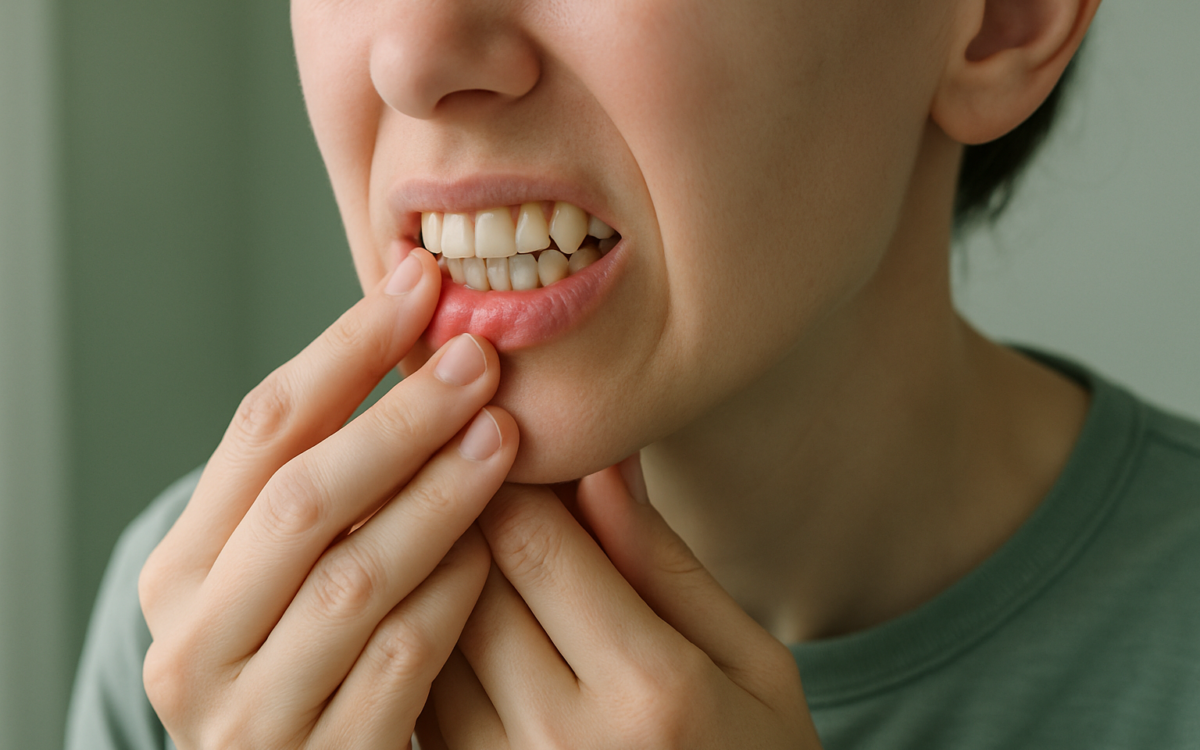
Gum pain can be a troubling and uncomfortable experience for many people. It may start as a mild irritation but can quickly escalate into a more severe issue. Understanding the causes of gum pain and how to look after your oral health is essential in addressing this common dental concern.
Common Causes of Gum Pain
There are several reasons why you might experience pain in your gums. While some causes are minor and can be resolved at home, others may require professional attention.
1. Gum Disease
One of the leading causes of gum pain is gum disease, also known as periodontal disease. This condition occurs when plaque—a sticky film of bacteria—builds up on teeth and leads to inflammation of the gums. There are two main stages:
- Gingivitis: In its early stage, gum disease can cause swollen and bleeding gums, often while brushing or flossing.
- Periodontitis: If gingivitis isn’t treated, it can progress to periodontitis, where the inner layer of the gums begins to pull away from the teeth, creating pockets that become infected.
According to the National Heart, Lung, and Blood Institute, untreated gum disease can lead to tooth loss and has been linked to other health issues.
2. Oral Hygiene Habits
Inadequate oral hygiene can contribute significantly to gum pain. Irregular brushing and flossing can leave bacteria and food particles trapped between teeth and under the gumline. Over time, this can lead to plaque buildup, which, as mentioned, can cause gum disease. It’s important to maintain a thorough dental care routine that includes:
- Brushing twice a day with fluoride toothpaste
- Flossing daily to remove debris between teeth
- Using an antiseptic mouthwash to reduce bacteria
3. Tooth Cavities
Tooth cavities, or caries, occur when acids from bacteria in the mouth eat away at the tooth structure. If a cavity forms near the gum line, it can cause gum pain and sensitivity. Early detection through dental checkups can help prevent further complications, including more extensive pain and potential tooth loss.
4. Hormonal Changes
Hormonal fluctuations can also impact gum health. Women are particularly vulnerable to gum issues during pregnancy, menstruation, or menopause due to changes in hormone levels. During these periods, gums may become more sensitive and prone to inflammation, leading to discomfort.
The Centers for Disease Control and Prevention (CDC) highlight the importance of women maintaining oral health during these times to prevent complications.
Symptoms Accompanying Gum Pain
Gum pain often comes with other symptoms that can help identify the underlying issue:
- Swelling and redness of the gums
- Persistent bad breath
- Receding gums
- Teeth sensitivity or pain when biting
If you notice these symptoms alongside gum pain, it may be time to consider your oral health practices and possibly consult a dental professional.
Home Remedies for Gum Pain
For mild gum pain, several home remedies can help alleviate discomfort:
- Warm saltwater rinse: Mix half a teaspoon of salt in a glass of warm water and swish around in your mouth. This can help reduce inflammation and kill bacteria.
- Cold compress: Applying a cold compress to the outside of your cheek may reduce swelling and numb the pain.
- Anti-inflammatory medications: Over-the-counter pain relievers can help reduce pain and inflammation if necessary.
While these remedies might offer temporary relief, addressing the root cause of your gum pain is crucial.
Seeking Professional Help
In some cases, professional dental treatment may be necessary to effectively treat gum pain. Dentists can perform cleanings to remove plaque and tartar buildup and offer additional treatments, such as:
- Scaling and root planing to clean deeper into the gums
- Topical treatments or antibiotics for infections
- Dental surgery in severe cases of gum disease
Regular dental check-ups are essential for detecting gum issues early and maintaining overall oral health.
When to See a Doctor
It is advisable to consult a dental professional if:
- You experience persistent gum pain lasting more than a few days.
- Your gums bleed regularly, even without forceful brushing or flossing.
- You notice a bad taste or persistent bad breath that doesn’t go away.
By addressing these symptoms early, you can prevent potential complications and maintain healthier gums.
In conclusion, understanding the causes and symptoms of gum pain can empower you to take better care of your oral health. Regular dental check-ups and proper oral hygiene are instrumental in preventing gum disease and associated pain. If you experience persistent issues, don’t hesitate to seek professional help for your smile.
