
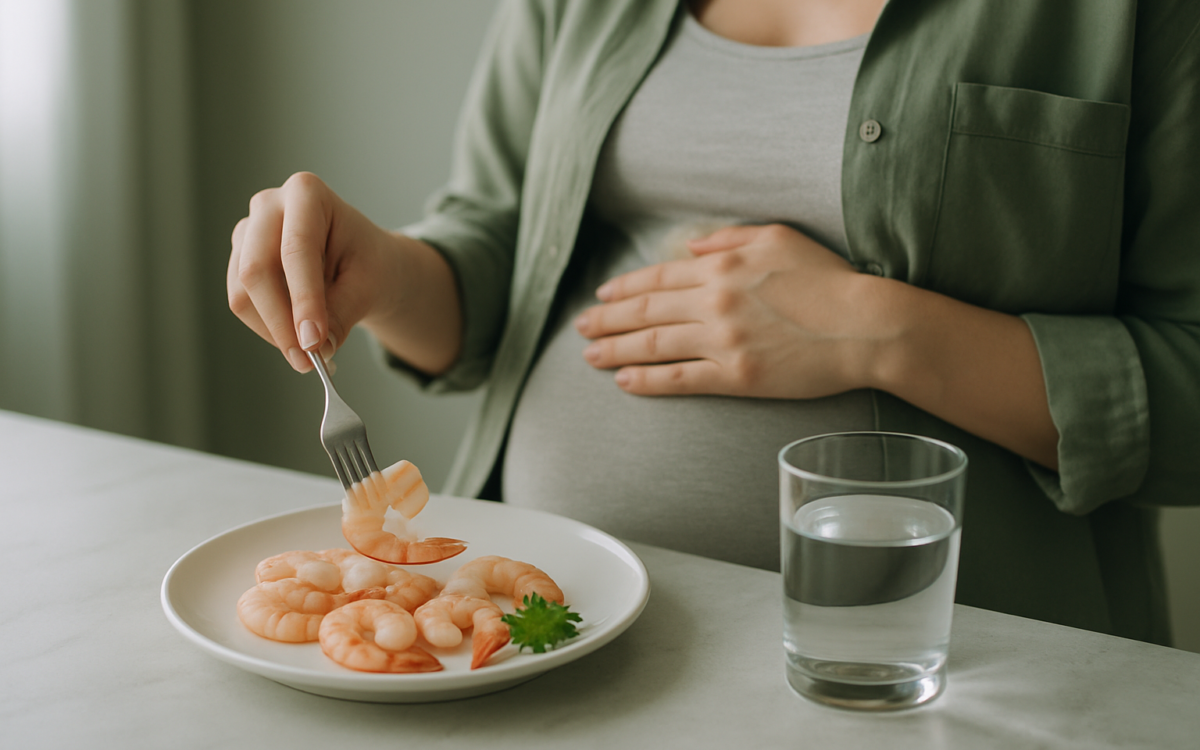
Pregnancy is a time of excitement and anticipation, but it can also lead to a lot of questions about what foods are safe to eat. If you’re a seafood lover, you may be wondering, “Can I eat shrimp while pregnant?” Seafood is often recommended for its nutritional benefits, but safety concerns are equally important. This article aims to clarify the risks and benefits of including shrimp in your pregnancy diet.
Understanding Nutritional Benefits
Shrimp can be a healthy addition to your diet during pregnancy. Packed with protein, vitamins, and minerals, shrimp provide essential nutrients while being relatively low in calories. Here are some key nutrients you get from shrimp:
- Protein: Necessary for the growth of your baby’s tissues, including the brain.
- Omega-3 Fatty Acids: Important for fetal brain and eye development.
- Vitamins and Minerals: Shrimp contains B vitamins, iodine, and selenium, all of which contribute to overall health.
Sourcing Safe Shrimp
Not all shrimp is created equal, and where it comes from can impact its safety. It’s best to choose shrimp that is sustainably sourced and free from harmful additives. Look for products that are:
- Wild-caught: Often has lower levels of contaminants than farmed shrimp.
- Sustainable: Certified seafood helps ensure you’re supporting environmentally friendly fishing practices.
Always check labels if purchasing frozen or pre-packaged shrimp, as additives that aren’t safe during pregnancy may be present.
Addressing Mercury Concerns
One common concern with seafood during pregnancy is mercury content, which can affect fetal development. Luckily, shrimp is one of the lower-mercury options among seafood. According to the CDC, pregnant women can safely eat shrimp, as long as it’s prepared properly and consumed in moderation. The CDC and other health organizations recommend limiting seafood intake to about 8 to 12 ounces per week, which equates to around 2 to 3 servings.
Safe Cooking Practices
Ensuring that shrimp is cooked thoroughly is vital during pregnancy. Raw or undercooked seafood can pose risks of foodborne illnesses, which could harm both the mother and the baby. Here are some tips for safe cooking:
- Cook thoroughly: Shrimp should be cooked until it is opaque and firm. A minimum internal temperature of 145°F (63°C) is recommended.
- Avoid raw shrimp: Dishes like shrimp cocktails or sushi with shrimp are best avoided to reduce the risk of bacteria and parasites.
Portion Control and Personal Preferences
While shrimp can be consumed during pregnancy, moderation is crucial. Consider your own dietary preferences and any seafood allergies you may have. If you’re not accustomed to eating shrimp or are unsure, starting with small portions can help you gauge how your body reacts. Additionally, balancing shrimp consumption with other protein sources, such as beans, poultry, and eggs, can offer a varied and nutrient-rich diet.
Consulting Health Professionals
If you have any concerns about eating shrimp during pregnancy or specific dietary needs, consulting a healthcare provider is essential. They can provide personalized recommendations based on your health history, lifestyle, and dietary preferences. It’s especially important if:
- You have a seafood allergy.
- You are unsure about your diet’s nutritional balance.
- You experience food sensitivities during pregnancy.
When to See a Doctor
It’s always a good idea to consult a healthcare professional if you have specific health conditions or concerns regarding your diet during pregnancy. If you experience nausea, gastrointestinal distress, or other symptoms after eating shrimp or any seafood, seek medical advice to ensure the well-being of both you and your baby.
Remember, a well-balanced diet during pregnancy includes a variety of foods—shrimp can certainly be a part of that! By making informed choices and consulting with your doctor, you can enjoy this delicious seafood while keeping your health and your baby’s health in mind.
