
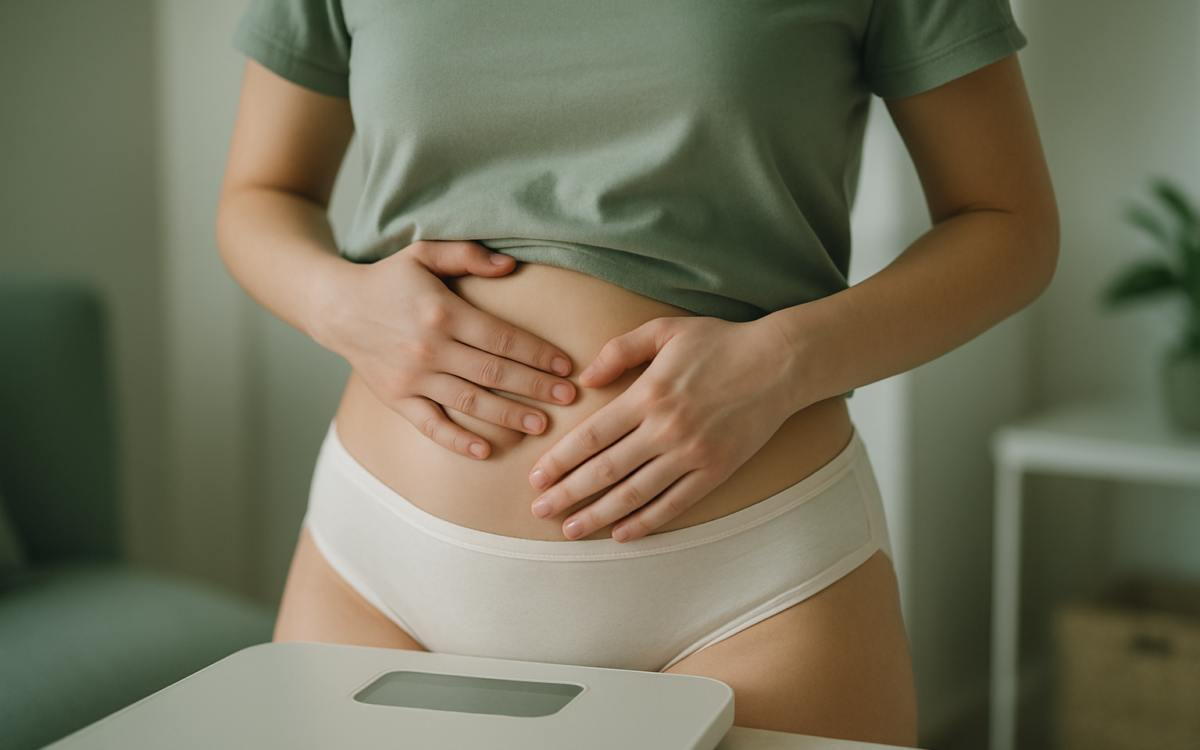
Many women notice changes in their bodies during their menstrual cycle, and one common concern is weight gain. It’s not uncommon to feel like you’ve gained a few pounds just before or during your period. But why does this happen? Here, we’ll break down the reasons behind these fluctuations and what you can do about them.
Weight Gain and the Menstrual Cycle
First, it’s important to understand that weight gain during your period is often temporary. Fluctuations in weight can be attributed to hormonal changes that occur throughout your menstrual cycle.
During the first half of the cycle, estrogen levels rise, which can encourage the body to retain water. This might lead to a feeling of fullness or bloating. As the cycle progresses and you approach menstruation, progesterone levels increase, which can also contribute to changes in fluid retention.
Hormonal Influence on Weight
The body’s hormones play a significant role in determining how we feel and look during our menstrual cycles. The two main hormones involved are estrogen and progesterone. They fluctuate naturally throughout the cycle and can influence appetite, mood, and metabolism.
- Estrogen: Higher levels can cause the body to retain water, leading to temporary weight gain.
- Progesterone: This hormone can stimulate appetite, making you feel hungrier than usual.
These hormonal fluctuations can contribute to both physical changes (like bloating) and emotional changes (like feeling more hungry or irritable). Understanding these shifts can help curb unnecessary anxiety about weight changes.
Why Bloating Occurs
Bloating is one of the most commonly reported symptoms during menstruation, often exacerbating feelings of weight gain. Bloating can occur in the days leading up to your period and can make you feel heavier or fuller.
Several factors contribute to bloating, including:
- An increase in fluid retention due to hormonal changes.
- Changes in digestion or gastrointestinal activity related to hormonal fluctuations.
- Increased salt intake before and during your period, which can exacerbate water retention.
Fortunately, bloating is usually temporary and should resolve once menstruation begins and hormone levels start to stabilize.
Changes in Eating Habits
Another reason you may feel like you are gaining weight around your period is changes in your eating habits. Many women find themselves craving certain foods, particularly those high in sugar or carbohydrates. Hormonal changes can lead to increased cravings, and it’s normal to indulge in comfort foods during this time.
While it might feel like you’re overeating, it’s important to note that these cravings are partly driven by hormonal fluctuations. Furthermore, emotional factors like stress or fatigue can also play a role in what you choose to eat.
Managing Weight Fluctuations
So, what can you do to manage weight gain-related feelings during your menstrual cycle? Here are some strategies to help.
- Stay Hydrated: While it may seem counterintuitive, drinking water can help alleviate bloating and keep your body functioning properly.
- Mind Your Diet: Be aware of cravings but try to eat balanced meals. Incorporate fiber-rich fruits and veggies to help with digestion.
- Regular Exercise: Engaging in physical activity can help your body reduce water retention and manage stress levels.
- Track Your Cycle: Keeping a journal of your symptoms, including weight changes, can help you understand your body better.
Implementing these practices can help you feel more in control of your body during your period.
When to See a Doctor
If you have significant weight fluctuations, severe bloating, or other symptoms that interfere with daily life, it might be a good idea to consult a healthcare professional. They can help rule out any underlying conditions and provide you with guidance tailored to your individual needs. Regular check-ups are essential for understanding your body’s specific patterns.
Conclusion
Weight changes during your period are usually temporary and can be attributed to hormonal fluctuations, fluid retention, and shifts in eating habits. Understanding these factors can help demystify your experiences and reduce anxiety about your body during this time. Always remember that if you have concerns about your health or experience significant changes, consulting with a healthcare provider is the best course of action.
