
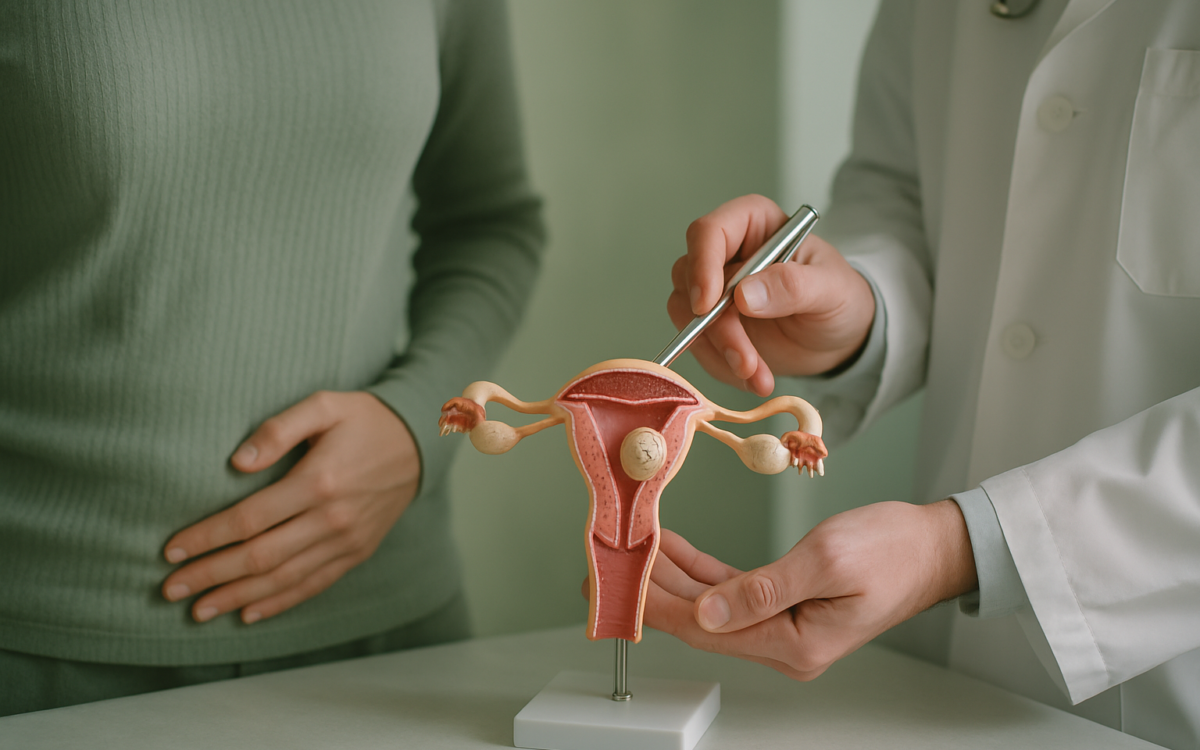
Intramural fibroids are a common concern for many women, often shrouded in myths and misunderstandings. These noncancerous growths can develop in the muscular wall of the uterus and affect women’s health in various ways. In this article, we’ll delve into what intramural fibroids are, their symptoms, how they’re diagnosed, and what treatment options are available.
What are Intramural Fibroids?
Intramural fibroids are a type of uterine fibroid, which are benign tumors made up of muscle and fibrous tissue. While they can occur in various locations within the uterus, intramural fibroids specifically grow within the uterine wall itself. They are the most common type of fibroid, accounting for approximately 40 to 60% of all fibroid cases. The size of intramural fibroids can vary, ranging from very small to large enough to distort the shape of the uterus.
Common Symptoms of Intramural Fibroids
Many women with intramural fibroids may experience no symptoms at all. However, some can encounter a variety of issues, which may include:
- Heavy Menstrual Bleeding: One of the most frequently reported symptoms is heavy or prolonged menstrual bleeding, often making periods heavier and longer than normal.
- Painful Periods: Known as dysmenorrhea, some women find that their periods become increasingly painful, leading to discomfort and distress.
- Pelvic Pain or Pressure: Larger fibroids may cause a feeling of fullness or pressure in the pelvic area, which can lead to discomfort or pain.
- Frequent Urination: If an intramural fibroid is large enough, it can press against the bladder, resulting in a need to urinate more frequently.
- Difficulty with Fertility: In some cases, intramural fibroids can impact fertility, potentially making it more challenging for a woman to conceive.
It’s essential to understand that these symptoms can also occur due to other health conditions, so it’s important to consult a healthcare provider for a proper diagnosis.
How Are Intramural Fibroids Diagnosed?
The diagnosis of intramural fibroids usually starts with a thorough medical history and physical examination by a healthcare provider. Several imaging tests may be used to confirm the diagnosis:
- Ultrasound: This is one of the most common methods, where sound waves create an image of the uterus, allowing for the identification of fibroids.
- MRI: Magnetic resonance imaging provides detailed images of the uterus and is especially useful in assessing the size and location of fibroids.
- Hysterosalpingography (HSG): This X-ray test involves dye injection into the uterus to visualize the uterine cavity, helping to identify any fibroids or abnormalities.
After a diagnosis, your healthcare provider will discuss the presence of fibroids, the severity of symptoms, and potential next steps.
Treatment Options for Intramural Fibroids
Treatment for intramural fibroids largely depends on the severity of symptoms and the individual’s overall health. Here are some common approaches:
- Watchful Waiting: If symptoms are mild, many women may choose to monitor the fibroids without immediate treatment.
- Medications: Hormonal treatments may be prescribed to help reduce symptoms. This includes birth control pills or medications that target hormone production to shrink fibroids.
- Minimally Invasive Procedures: Options such as uterine artery embolization (UAE) may be offered. This procedure involves cutting off blood supply to the fibroid, causing it to shrink.
- Surgical Options: If fibroids are large or causing severe symptoms, surgical options like myomectomy (removal of fibroids) or hysterectomy (removal of the uterus) may be considered.
Each treatment option has its benefits and risks, so it’s essential to have an in-depth discussion with your healthcare provider to find the best choice for your specific situation.
Living with Intramural Fibroids
For many women, living with intramural fibroids is manageable, especially if they are not causing significant symptoms. Maintaining a healthy lifestyle can positively impact overall health and may help alleviate some symptoms. Here are a few tips for living with intramural fibroids:
- Regular Check-Ups: Keep up with your gynecological appointments to monitor the fibroids and discuss any changes in symptoms.
- Exercise: Regular physical activity can help manage weight and stress, which may indirectly reduce fibroid-related symptoms.
- Healthy Diet: A balanced diet rich in fruits, vegetables, whole grains, and lean proteins can support overall health.
Staying well-informed about your health can empower you to make the best choices regarding your management strategies.
When to See a Doctor
If you experience significant changes in your menstrual cycle, severe pelvic pain, or other unusual symptoms, it’s important to consult a healthcare provider. Additionally, if you have difficulty conceiving and suspect fibroids may be a factor, seeking medical advice is essential.
Intramural fibroids can be a source of concern for many women, but understanding their nature and options can help. If you have questions or concerns about intramural fibroids, talk to your doctor about what’s best for your health.
