
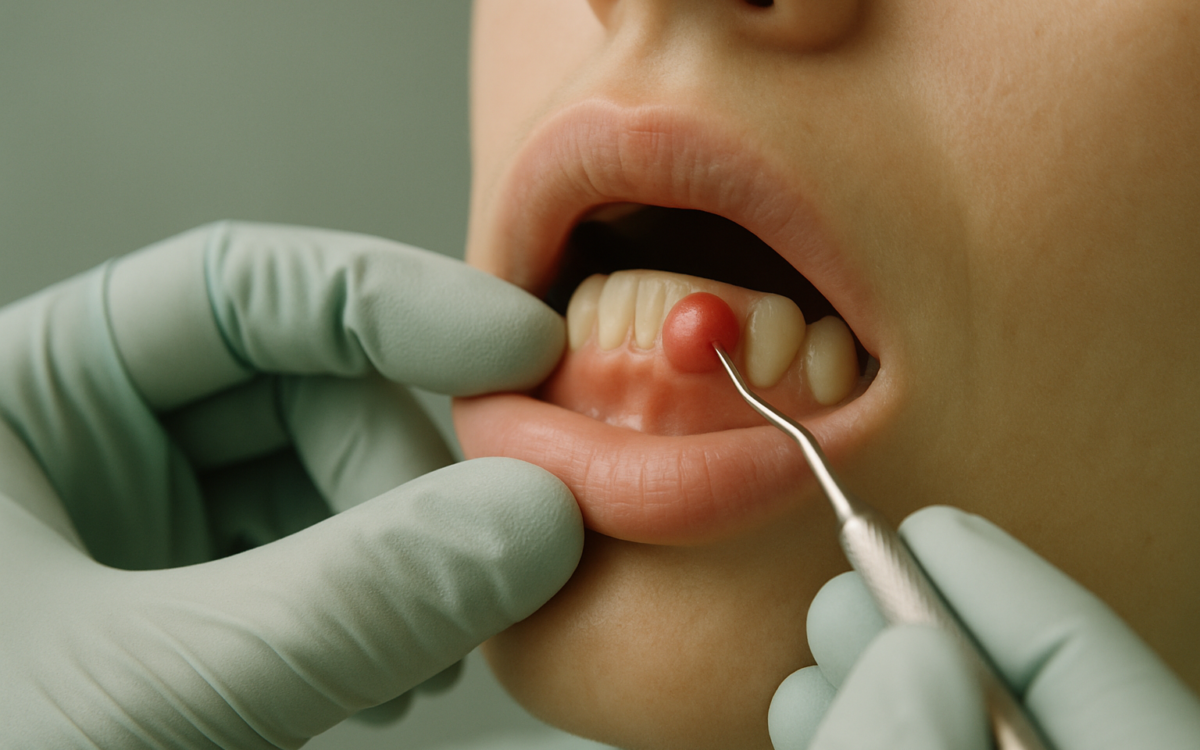
Bumps on your gums can be alarming, especially if you’re not sure what they are or what might have caused them. While many gum bumps are harmless, it’s crucial to understand their potential causes, symptoms, and treatments. This guide will explore various types of bumps that could appear on your gums, helping you to identify what might be affecting your oral health.
Common Causes of Bumps on Gums
There are several reasons why you might notice a bump on your gums. Understanding these causes can help you determine if you need to seek medical attention or if it might resolve on its own. Here are some of the most common causes:
- Dental Abscess: A dental abscess is an infection that can occur at the root of a tooth or in the gums. It typically appears as a swollen area filled with pus.
- Photodermatitis: This type of bump may occur due to sun exposure, causing inflammation and bumps on the gums.
- Oral Cysts: Cysts can form for various reasons, including blocked saliva glands or infections. These may feel like soft lumps under the gum tissue.
- Papilloma: Benign growths caused by the human papillomavirus (HPV) can occur in the mouth, presenting as small, soft bumps.
- Gingival Hyperplasia: This condition causes gum tissue to thicken, leading to swollen areas or bumps on the gums. It can be a side effect of certain medications.
- Allergic Reactions: Sometimes, an allergic reaction to certain foods, dental products, or medications can cause gum swelling and bumps.
Identifying the Bump on Your Gums
When you find a bump on your gums, observing its characteristics can help you and your dentist understand the issue better. Consider the following when examining the bump:
- Color: Is it the same color as your gums, or is it red, white, or another color?
- Size: Is it small, or has it grown larger over time?
- Texture: Is the bump hard, soft, or fluid-filled?
- Pain: Is the bump painful or tender to the touch?
By gathering this information, you’ll have a better overview of the issue, which can be useful when consulting a healthcare professional.
Home Remedies and Care
While you should consult your dentist for any persistent bumps, there are some home care practices that may provide relief or help them heal:
- Salt Water Rinse: Mix a teaspoon of salt in a glass of warm water and use it as a mouth rinse to help soothe irritated gums.
- Cold Compress: Applying a cold compress on the outside of your mouth can help reduce swelling and discomfort.
- Over-the-Counter Pain Relievers: Non-prescription pain relievers can help alleviate discomfort. Be sure to follow the recommended dosages.
- Oral Hygiene: Maintaining good oral hygiene—brushing twice a day and flossing—can help keep your mouth healthy and prevent further issues.
Remember, these remedies can only assist in managing symptoms. They are not a substitute for professional dental care.
When to Seek Professional Help
While many bumps on the gums are harmless, there are times when you should see a dentist or healthcare provider. Seek professional help if:
- The bump lasts more than two weeks without improvement.
- You experience significant pain or discomfort.
- The bump changes in size, appearance, or color.
- You develop additional symptoms like fever or swelling in other areas.
International Perspectives on Gum Health
Access to dental care and treatment for gum issues can vary greatly from one country to another. For instance, in some regions, patients have access to cutting-edge treatments, while others may rely on home care options. Organizations like acibademinternational.com provide resources and information on the latest dental practices available in various countries, making it easier for individuals seeking solutions for oral health problems, including bumps on gums.
Preventive Measures for Gum Health
Taking proactive steps can significantly reduce the likelihood of developing bumps on your gums. Here are a few preventive measures to keep your gums healthy:
- Regular Dental Check-ups: Visiting your dentist regularly can help catch any potential issues before they develop into bigger problems.
- Healthy Diet: Eating a balanced diet rich in vitamins and minerals supports overall gum health, especially foods high in Vitamin C.
- Avoid Tobacco: Tobacco use can lead to myriad oral health issues, including gum disease.
- Stay Hydrated: Drinking enough water helps keep your mouth moist, reducing the likelihood of developing dry mouth and potential bumps.
By incorporating these practices into your daily routine, you can help maintain healthy gums and overall oral health.
Conclusion
While bumps on the gums can be disconcerting, understanding their possible causes and implications can empower you to take action. Always remember to consult with your dentist if you have concerns, especially for bumps that do not heal or worsen over time. Taking care of your gums is vital for your overall health, so make it a priority!
