
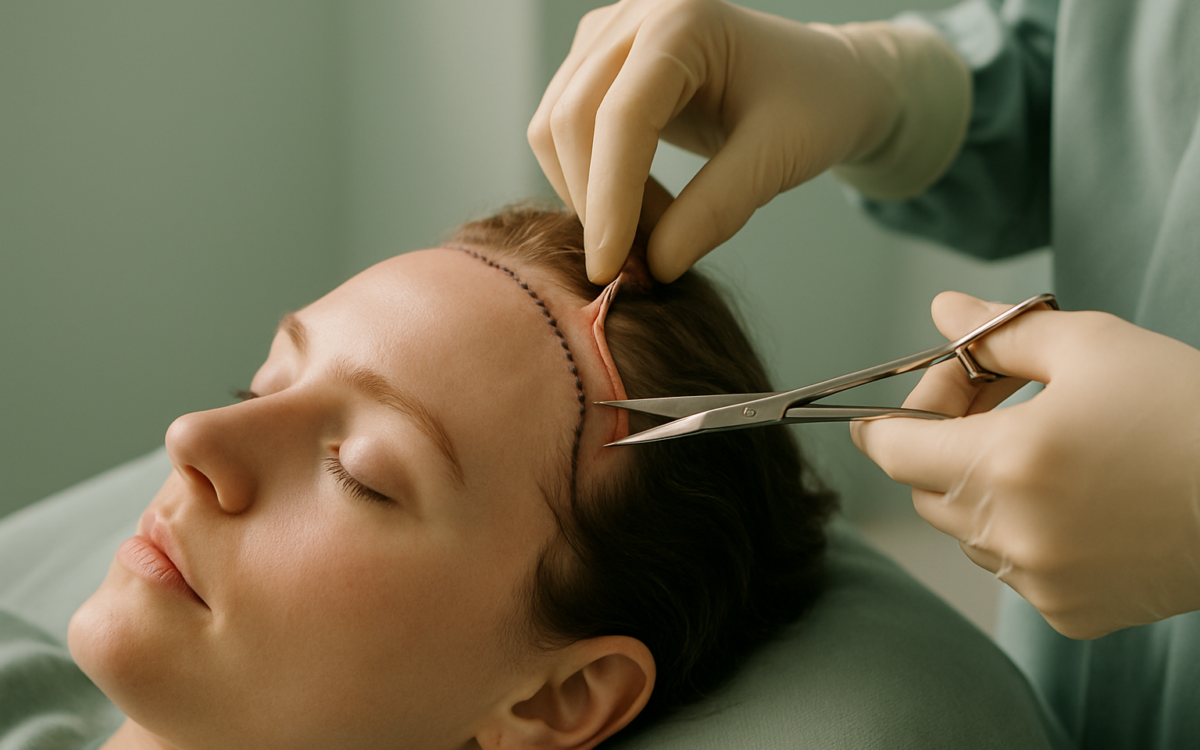
Forehead reduction surgery is a cosmetic procedure aimed at minimizing the size of a person’s forehead. It is often chosen by individuals who feel their forehead is disproportionately large or wants a more balanced facial appearance. The idea of altering one’s appearance can seem daunting, but understanding the procedure, its benefits, and its risks can help you make an informed decision.
What is Forehead Reduction Surgery?
Forehead reduction surgery, also known as forehead contouring or hairline lowering, involves surgically removing excess skin from the forehead area. This can decrease the vertical height of the forehead and create a more harmonious look. Typically, the procedure is performed under local anesthesia with sedation, meaning patients can be awake but relaxed during the surgery.
Why Consider Forehead Reduction Surgery?
Individuals may consider this procedure for various reasons:
- Cosmetic Concerns: If someone feels their forehead is too high or prominent, surgery can help achieve a more desirable facial proportion.
- Hairline Repositioning: Some people want to lower their hairline to create a more youthful appearance.
- Self-Confidence: Many express that improving their facial aesthetics boosts their self-esteem and confidence.
It’s essential to have realistic expectations and discuss your goals thoroughly with a qualified surgeon beforehand.
The Procedure: What to Expect
The forehead reduction surgery procedure generally follows these steps:
- Consultation: Before the surgery, a detailed consultation with your cosmetic surgeon occurs. During this appointment, they will assess your facial structure and discuss your desired outcome. They will also cover the risks and benefits of the procedure.
- Anesthesia: The procedure is usually performed under local anesthesia with sedation to ensure your comfort.
- Incision: The surgeon creates an incision along the hairline to remove excess skin. The incision is carefully placed to minimize visible scars. An alternative involves removing hair follicles from the scalp.
- Repositioning: The forehead skin is pulled down and sutured into place, creating a new, lower hairline.
- Recovery: Once the surgery is completed, patients are monitored as they wake from sedation. You will receive specific post-operative care instructions.
Typically, the entire process can take a few hours, depending on the individual’s specific needs.
Recovery After Forehead Reduction Surgery
The recovery process varies from person to person, but here are some common experiences:
- Initial Healing: Expect some swelling and bruising around the forehead area, which usually subsides within the first few weeks.
- Follow-Up Care: A follow-up appointment with the surgeon is vital to monitor healing and remove stitches if necessary.
- Activity Restrictions: Patients are often advised to limit strenuous activities for several weeks. Additionally, avoiding direct sun exposure can help the healing incision.
Most individuals can return to their regular routines within two weeks, though full recovery, where the final results can be assessed, may take several months.
Potential Risks and Complications
As with any surgical procedure, there are risks involved in forehead reduction surgery:
- Infection: Any surgery comes with a risk of infection at the incision site.
- Scarring: Though surgeons aim to reduce visible scars, some individuals can develop noticeable scars.
- Nerve Damage: Temporary or permanent nerve damage can occur, affecting sensitivity in the forehead or scalp.
- Asymmetry: It is possible that healing may lead to uneven results or changes in the appearance of the hairline.
It is crucial to discuss these risks with your surgeon and ensure you are a suitable candidate for the procedure.
When to See a Doctor
If you are considering forehead reduction surgery, it’s essential to consult with a certified plastic surgeon who specializes in facial procedures. They will ensure you understand all aspects of the procedure and whether it aligns with your health and aesthetic goals. If you experience any concerning symptoms during recovery, such as excessive bleeding or signs of infection, it’s important to reach out to your healthcare provider promptly.
Conclusion
Forehead reduction surgery offers an option for those looking to enhance their facial aesthetics and improve self-confidence. While the procedure can provide significant changes, it’s vital to thoroughly research and understand the process, including potential risks and recovery challenges. Always consult with a qualified medical professional before making any decisions. With the right preparation and guidance, you can achieve your desired look safely and effectively.
For more information on cosmetic procedures, consider exploring trusted resources from the NIH or Mayo Clinic.
