
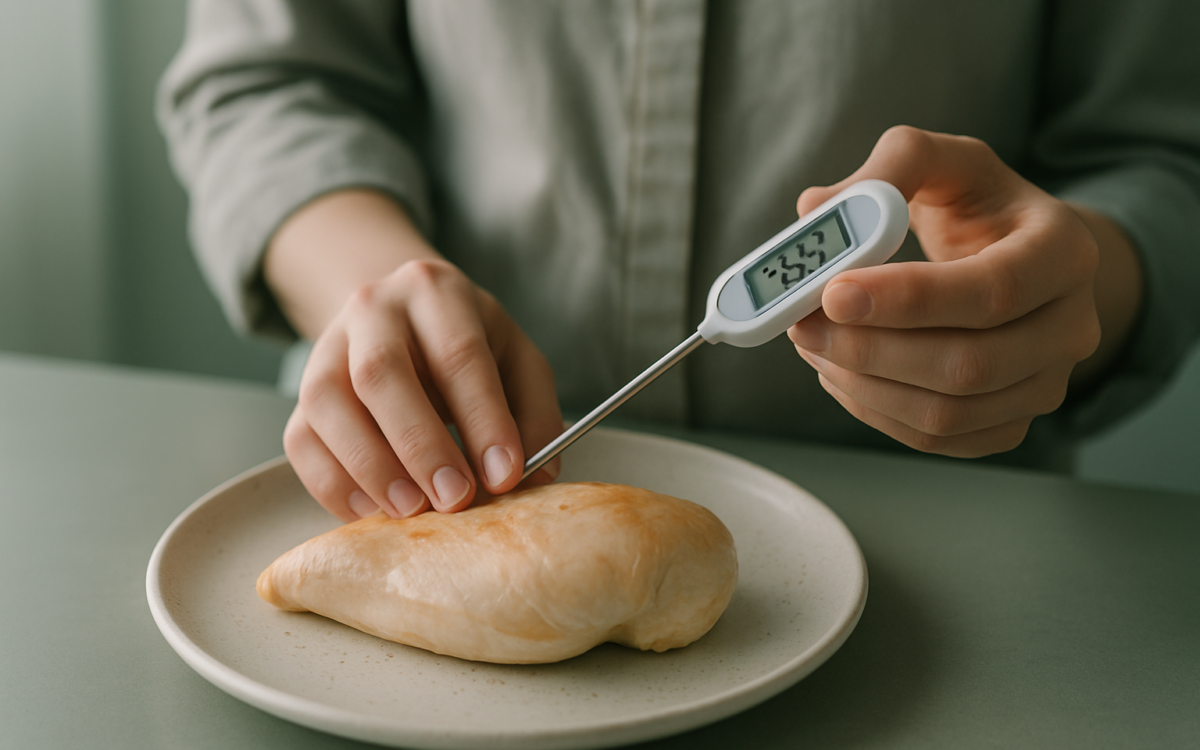
Cooking chicken breast can seem straightforward, but many people overlook the critical factor of temperature. Knowing how to achieve the right internal temperature is vital not just for taste, but for safety. Using a meat thermometer might not always be top of mind, yet it’s an essential tool in the kitchen for ensuring that your chicken is neither undercooked nor overdone. This article will guide you through the ins and outs of cooking chicken breast to perfection, with an emphasis on temperature.
Why Chicken Breast Temperature Matters
Chicken breast is a popular choice for healthy meals due to its lean protein content, but it can harbor harmful bacteria like Salmonella or Campylobacter. These organisms can cause foodborne illnesses that result in serious health complications. According to the Centers for Disease Control and Prevention (CDC), ensuring your chicken reaches the correct internal temperature is one of the most effective methods for killing these pathogens.
The Safe Internal Temperature for Chicken Breast
When it comes to chicken breast, the USDA recommends cooking it to an internal temperature of 165°F (75°C). This temperature is sufficient to eliminate harmful bacteria while ensuring that the chicken remains juicy and flavorful.
Here are some key points to remember:
- The safe cooking temperature for all poultry products, including chicken, is 165°F (75°C).
- Using a meat thermometer is the most accurate method to check the internal temperature.
- Insert the thermometer into the thickest part of the chicken breast for a proper reading.
How to Measure Chicken Breast Temperature
Measuring the internal temperature of chicken breast is straightforward if you follow these steps:
- Ensure your meat thermometer is clean and calibrated.
- Insert the thermometer into the thickest part of the chicken breast, avoiding any bones, as they can give a false reading.
- Wait for a few seconds until the thermometer stabilizes to get an accurate temperature.
- Remove the chicken from the heat source if it reads 165°F (75°C) or higher.
It’s important to clean your thermometer after each use to avoid cross-contamination.
Tips for Cooking Chicken Breast to Perfection
Achieving the right temperature isn’t just about safety—it also impacts the texture and flavor of your chicken. Here are some tips for cooking chicken breast perfectly:
1. Use Even Thickness
Chicken breasts can vary in thickness, which may lead to uneven cooking. For best results, pound the chicken breasts to an even thickness before cooking.
2. Brining
Brining your chicken breast in a saltwater solution for a few hours can enhance moisture retention and flavor.
3. Resting Time
Let your chicken rest for about five minutes after cooking. This helps retain juices and keep the meat tender.
4. Cooking Methods
Various cooking methods can impact temperature:
- Grilling: Pay close attention as chicken can cook quickly.
- Baking: Consider adding moisture like broth or vegetables to prevent drying out.
- Sous Vide: A method that allows for precise temperature control is excellent for perfect chicken texture.
Common Mistakes to Avoid
Even the best cooks can make mistakes regarding chicken breast temperature. Here are some common pitfalls:
- Overcooking: This can lead to dry, tough chicken. Keep the temperature in mind to avoid this.
- Relying on Color: Color is not a reliable indicator of doneness—always check the temperature.
- Ignoring Residual Heat: Remember, chicken continues to cook for a few minutes after removing it from the heat source.
What About Leftovers?
If you have leftover chicken breast, it is crucial to store it safely. The USDA recommends refrigerating cooked chicken within two hours to prevent bacterial growth. When reheating leftovers, ensure they reach 165°F (75°C) as well, just like fresh chicken. This will ensure that any bacteria that may have developed during storage are killed off.
When to See a Doctor
If you experience symptoms like severe stomach cramps, vomiting, or diarrhea after consuming chicken, it is advisable to consult a healthcare professional. Foodborne illnesses can sometimes require medical attention, especially if symptoms are severe or prolonged. Always prioritize food safety to avoid such situations.
Conclusion
Understanding chicken breast temperature is essential for both safety and quality in cooking. Perfectly cooked chicken can be a delicious and healthy addition to your diet, and knowing the right internal temperature can help you achieve peace of mind in the kitchen. Next time you prepare chicken breast, remember the importance of temperature, and enjoy the benefits of safe and flavorful meals!
