
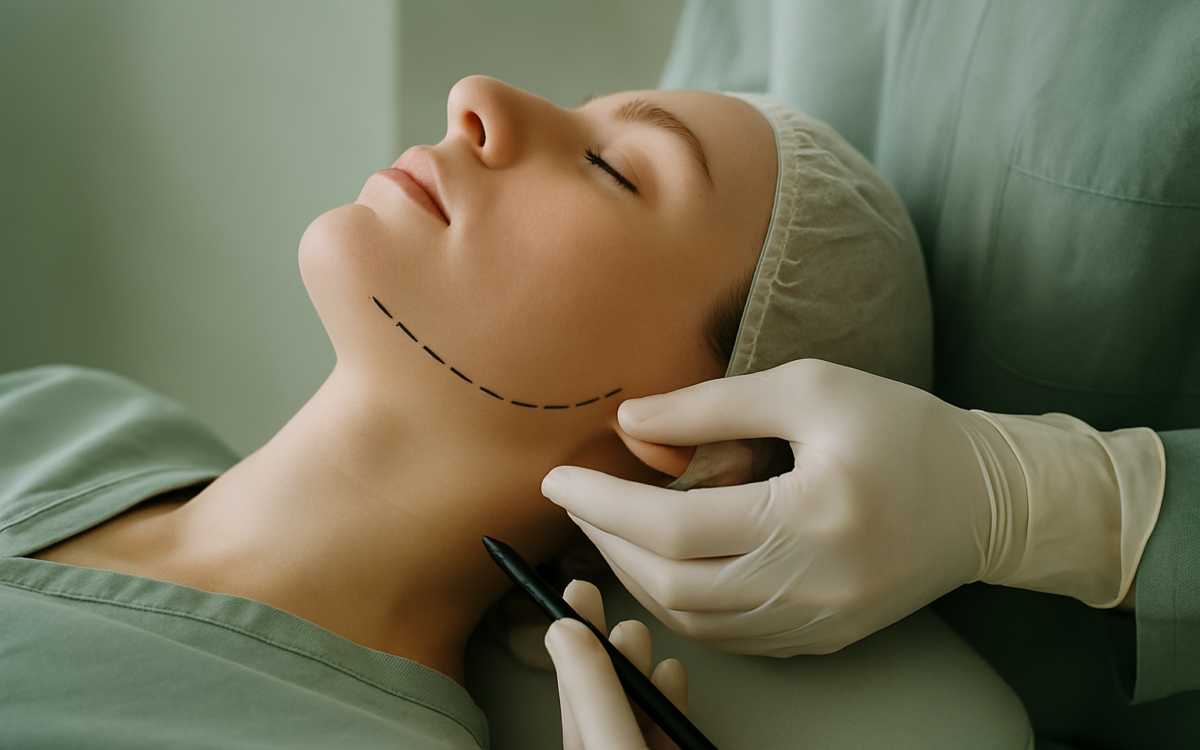
Many people desire a more defined jawline for aesthetic or functional reasons. Jawline surgery, often referred to as jawline contouring or mandibular surgery, is a procedure that can reshape the jaw area to achieve a more harmonious facial appearance. Understanding what this surgery entails, its benefits, potential risks, and recovery process can help you make an informed decision.
What is jawline surgery?
Jawline surgery is a cosmetic procedure aimed at altering the structure of the jaw to enhance contours and improve facial symmetry. This type of surgery is popular among individuals who wish to correct imbalances or improve facial aesthetics. This can include procedures like chin implants, surgical jaw reshaping, or orthodontic adjustments.
Benefits of jawline surgery
Deciding to undergo jawline surgery can bring multiple benefits:
- Enhanced Facial Aesthetics: A more defined jawline can create a pleasing balance with other facial features.
- Increased Confidence: Many individuals feel more self-assured and satisfied with their appearance post-surgery.
- Functional Improvement: In some cases, jaw surgery can improve biting and chewing functions, especially if there are alignment issues.
- Long-Lasting Results: Surgical alterations to the jaw tend to provide lasting improvements as opposed to non-surgical treatments that may need repeated sessions.
Types of jawline surgery
There are several types of surgeries that may enhance the jawline, depending on individual needs:
Chin augmentation
This involves placing an implant over the existing chin bone to create a more prominent chin. This procedure can be done alone or in combination with other facial surgeries.
Jaw restructuring
More extensive than chin augmentation, this procedure involves reshaping the jaw bone itself, often used in cases of severe skeletal deformities or to correct jaw alignment. It’s usually performed by an oral and maxillofacial surgeon.
Jaw reduction
Sometimes desired for aesthetic reasons, jaw reduction involves removing bone to create a slimmer appearance. This can be particularly appealing for those with a square jawline.
Orthognathic surgery
This is a corrective surgery that realigns the jaw and teeth, thus improving both functionality and aesthetics. Patients with overbites, underbites, or other alignment issues may benefit from this type of surgery.
Preparing for jawline surgery
Preparation is critical for any surgical procedure, including jawline surgery. Here are some steps to consider:
- Consultation: A thorough consultation with a qualified surgeon is essential. Discuss your goals and any concerns you may have.
- Medical History: Be prepared to provide your surgeon with a complete medical history, including any medications you are presently taking.
- Realistic Expectations: Understand what jawline surgery can achieve and have realistic expectations regarding the outcomes.
- Preoperative Guidelines: Follow any preoperative instructions from your surgeon, which may include restrictions on eating or stopping certain medications.
Potential risks and complications
As with any surgery, jawline surgery comes with potential risks.
- Infection: Like all surgical procedures, there is a risk of infection.
- Scarring: Scarring can occur, although experienced surgeons strive to minimize its visibility.
- Bleeding: Some degree of bleeding is expected but excessive bleeding may require additional treatment.
- Changes in Sensation: Numbness or altered sensation can occur in the chin and jaw area post-surgery.
- Unsatisfactory Results: There’s always a possibility that results may not meet expectations, which could necessitate further procedures.
For a more comprehensive understanding of surgical risks, you may refer to the Mayo Clinic.
Recovery after jawline surgery
Recovery time can vary significantly based on the type of procedure performed. However, there are some general guidelines to consider:
- Initial Recovery: Expect swelling and discomfort immediately after the surgery, which usually improves within a few days.
- Follow-Up Appointments: Follow-up visits with your surgeon are vital to monitor your healing progress.
- Activity Restrictions: You may need to limit strenuous activities for several weeks as you recover.
- Dietary Changes: A soft diet may be recommended for a short period to avoid stressing the surgical site.
Detailed recovery protocols can often be found at resources like the Cleveland Clinic.
When to see a doctor
If you experience any significant concerns after jawline surgery, such as excessive swelling, severe pain, or signs of infection (like fever or discharge), consult your healthcare provider immediately. Establishing open communication with your surgeon is essential throughout the healing process.
In conclusion, jawline surgery can offer various benefits for those seeking enhancements to their facial structure. It’s important to weigh the potential advantages against the risks and engage in thorough discussions with a qualified medical professional. With proper knowledge and preparation, you can approach jawline surgery with confidence.
