
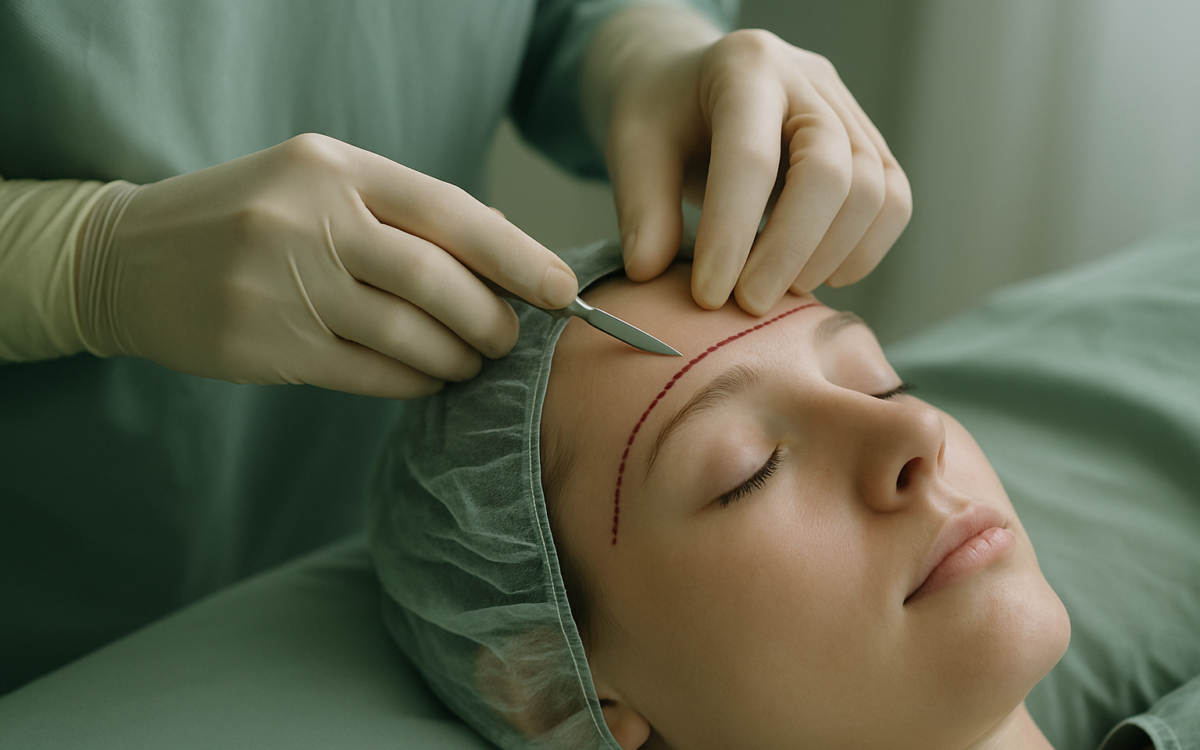
Forehead lowering surgery, also known as forehead reduction surgery, is a cosmetic procedure that aims to reshape the forehead by lowering its position and enhancing facial harmony. Many individuals seek this surgery to correct a high forehead, also known as a ‘high hairline,’ which can be due to genetic factors, aging, or previous surgeries. If you have been considering this procedure, it’s essential to understand what it entails, the potential benefits, risks, and what recovery may look like.
What Is Forehead Lowering Surgery?
Forehead lowering surgery is a surgical procedure that involves moving the hairline down and reshaping the forehead region. The process typically includes incisions made along the hairline and the removal of excess skin, allowing the surgeon to reposition the forehead to a lower position. This surgery has gained popularity, especially among those looking to achieve a more balanced facial appearance.
Why Consider Forehead Lowering Surgery?
There are several reasons why individuals may consider forehead lowering surgery:
- Aesthetic Enhancement: Many people feel that a lower forehead creates a more youthful and balanced look.
- Congenital Aesthetic Concerns: Some individuals are born with naturally high hairlines, causing dissatisfaction with their appearance.
- Reconstruction: After particular injuries or surgical interventions, forehead lowering may be necessary for cosmetic restoration.
- Confidence Boost: For many, correcting forehead height can lead to increased self-esteem and improved quality of life.
Preparing for Forehead Lowering Surgery
Preparation is critical to ensure a smooth surgical process. Before undergoing forehead lowering surgery, you should:
- Consultation: Schedule a consultation with a qualified plastic surgeon. They will discuss your goals, medical history, and whether the surgery is suitable for you.
- Pre-Surgery Instructions: Follow your surgeon’s guidelines for pre-operative procedures, which may include avoiding certain medications and adjusting your diet.
- Realistic Expectations: Understanding the possible outcomes of the surgery can help manage your expectations and help you make an informed decision.
The Surgical Procedure
The typical forehead lowering surgery lasts about one to two hours, and it usually involves the following steps:
- Anesthesia: Either local anesthesia with sedation or general anesthesia will be administered, depending on the surgeon’s and patient’s preference.
- Incision: Incisions are typically made along the hairline to minimize visible scarring. The incision line can vary based on individual needs and desired hairline position.
- Reshaping: The surgeon will reshape the forehead and lower the hairline, ensuring a more proportionate facial structure.
- Closing Incisions: Once the surgery is complete, the incisions will be closed with stitches or surgical tape.
Recovery After Forehead Lowering Surgery
Recovery from forehead lowering surgery varies from person to person, but here are some general guidelines:
- Initial Healing: Patients usually experience swelling, bruising, and discomfort in the initial days following the surgery. Pain can be managed with prescribed medication.
- Follow-up Care: Regular follow-up appointments with your surgeon will be important to monitor healing and address any concerns.
- Limit Activities: Patients should avoid strenuous activities for several weeks, as physical exertion can slow the healing process.
- Scarring: While incisions are made along the hairline, it’s essential to follow aftercare instructions properly to minimize scar visibility.
Potential Risks and Complications
As with any surgery, forehead lowering carries certain risks. These might include:
- Infection: Any surgical procedure has a risk of infection, which can be mitigated with proper care.
- Unfavorable Scars: While incisions are typically made discreetly, some patients may experience scarring.
- Asymmetry: In some rare cases, patients may notice unequal symmetry between both sides of the forehead after surgery.
- Hair Loss: Temporary or permanent hair loss can occur at the incision site, although this is uncommon.
When to See a Doctor
If you are experiencing severe pain, fever, or signs of infection such as increased swelling or pus coming from the incision site after forehead lowering surgery, it is essential to contact your healthcare provider immediately. Additionally, if you notice any complications regarding healing or abnormalities, consult with your surgeon.
Conclusion
Forehead lowering surgery can be an effective option for those seeking to reshape their forehead and enhance their facial proportions. However, like any medical procedure, it requires considerable thought and planning. It’s vital to consult with a qualified healthcare provider to discuss your expectations, potential risks, and suitability for the procedure. By taking the time to learn and prepare appropriately, you can make an informed decision that contributes to your overall well-being.
