
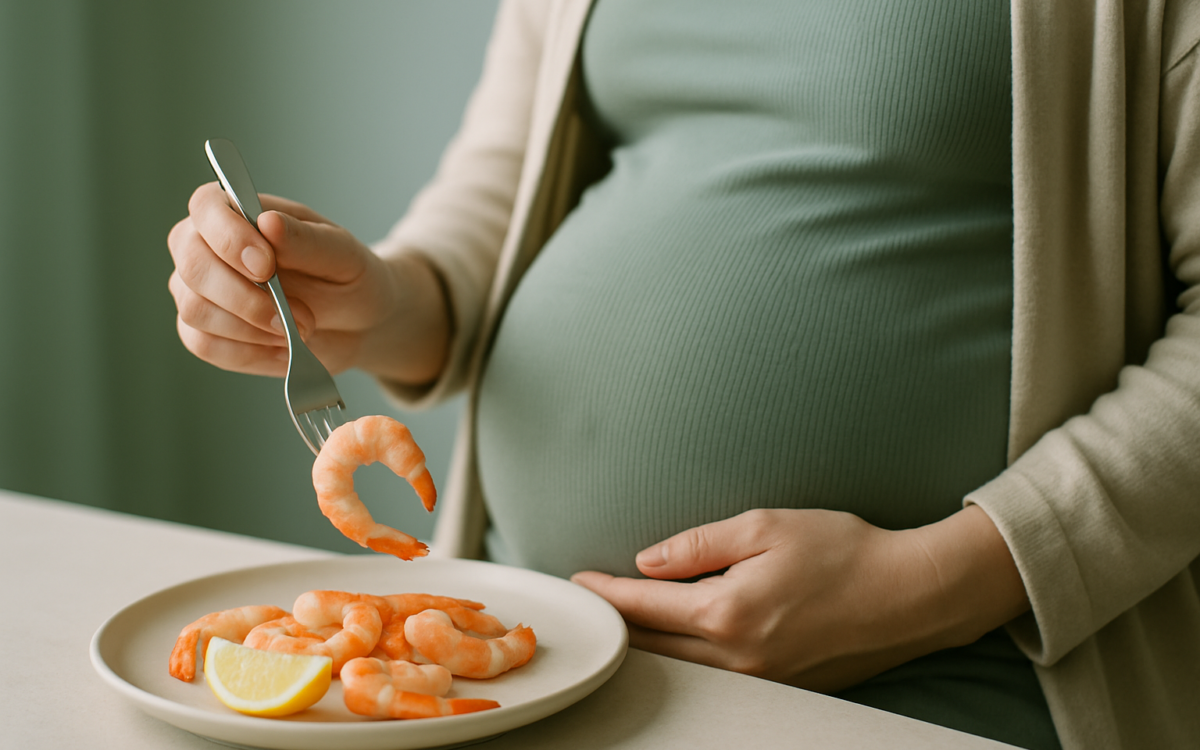
Pregnancy is an exciting time filled with anticipation, but it can also come with a fair amount of uncertainty—especially when it comes to food. One question many expectant mothers ask is whether it’s safe to eat shrimp during pregnancy. Shrimp can be a nutritious addition to your diet, but it’s essential to understand both the benefits and potential risks involved.
Understanding Shrimp’s Nutritional Value
Before diving into safety concerns, let’s take a closer look at why shrimp might be a good choice during pregnancy. Shrimp is low in calories and packed with nutrients. A 3-ounce serving provides around 20 grams of protein, which is vital for the growth of your baby. Additionally, shrimp contains key nutrients like:
- Omega-3 fatty acids: Important for brain development.
- Iodine: Supports thyroid function, which is crucial for fetal development.
- Vitamin B12: Essential for red blood cell production and supports the nervous system.
- Selenium: Helps protect cells and boosts your immune system.
Incorporating shrimp into a balanced diet can contribute to meeting your increased nutritional needs during pregnancy.
Is Shrimp Safe to Eat During Pregnancy?
When it comes to seafood, safety is a top concern for pregnant women. Shrimp is considered safe to eat during pregnancy, **as long as it is properly cooked**. Raw or undercooked seafood can harbor harmful bacteria and pathogens, such as Salmonella and Listeria, which can lead to serious complications. To reduce the risk:
- Cook shrimp until it is opaque and pearly, reaching an internal temperature of at least 145°F (63°C).
- Avoid dishes that contain raw shrimp, like shrimp cocktails or sushi.
Safe cooking methods include steaming, boiling, or grilling for delicious and nutritious results.
Choosing the Right Shrimp: Farmed vs. Wild
Another aspect to consider is where your shrimp comes from. There are two main categories of shrimp you might encounter: farmed and wild-caught. Both can be safe, but there are differences in their environmental impact and nutritional profile.
Farmed Shrimp
Farmed shrimp is often more readily available and less expensive. However, some farming practices may involve the use of antibiotics and chemicals. While the FDA monitors such practices, opting for shrimp that is certified sustainable can help ensure you’re making a safer choice.
Wild-Caught Shrimp
Wild shrimp typically have a more natural diet, which may make them healthier. They tend to be higher in certain beneficial nutrients. However, be aware that shrimp can accumulate toxins like mercury from their environment, though generally at lower levels than larger fish.
It’s wise to choose shrimp sourced from reputable fisheries that follow safe and environmentally friendly practices.
Mercury Levels in Seafood
One of the most significant health concerns related to seafood consumption during pregnancy is mercury exposure. Mercury can negatively affect your baby’s developing brain. Fortunately, shrimp is low in mercury compared to many other types of seafood, making it a safer option.
The FDA suggests that pregnant women can safely consume up to 12 ounces (two to three servings) of low-mercury seafood per week, which includes shrimp. This means you can enjoy shrimp while keeping your and your baby’s health in mind.
Portion Control and Frequency
While shrimp can be a healthy part of your pregnancy diet, moderation is essential. Eating a variety of seafood can help ensure you get a wider range of nutrients. Too much of any single food can lead to imbalances and potential issues.
For most women, including shrimp in your meals a couple of times a week is perfectly fine. Always pay attention to your body and how it reacts—some women may find they have food sensitivities during pregnancy that weren’t present before.
Potential Allergies and Sensitivities
If you have a history of shellfish allergies—or if you have never eaten shrimp before—it is prudent to proceed with caution. The immune system can change during pregnancy, so it’s possible to develop new allergies or sensitivities. If you experience any allergic reactions, such as hives, swelling, or difficulty breathing, seek medical attention immediately.
As always, if you have specific dietary concerns during pregnancy, consult with a healthcare provider or nutritionist. They can help guide you to make the best decisions for both you and your baby.
When to See a Doctor
If you experience any adverse reactions or have concerns about your diet while pregnant—especially regarding seafood consumption—don’t hesitate to reach out to your doctor. Signs that warrant a visit or phone call may include:
- Severe allergic reactions.
- Persistent nausea or gastrointestinal discomfort after eating seafood.
- Concerns about diet, nutrition, or food safety during pregnancy.
Your healthcare provider is your best resource for personalized advice tailored to your unique situation.
In conclusion, you can confidently include shrimp in your pregnancy diet as long as it is cooked properly and consumed in moderation. Keep an eye on where your shrimp is sourced from and balance it with a variety of other low-mercury seafood options. Remember, the key to a healthy pregnancy is a well-rounded, nutritious diet. Stay informed, listen to your body, and consult with your doctor for any specific questions or concerns.
