
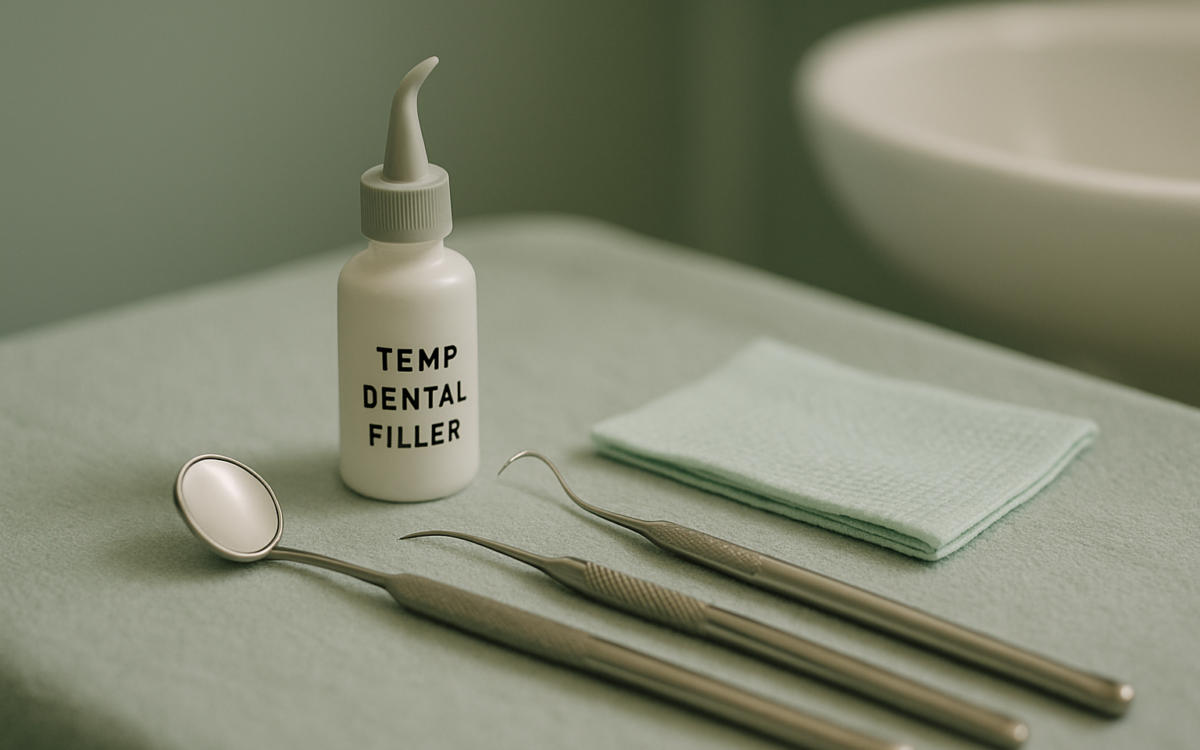
When faced with a dental issue, understanding your options can make all the difference. Temporary dental fillers, often referred to simply as temp dental fillers, serve as immediate solutions for various dental problems. From preventing further tooth decay to providing comfort while waiting for a permanent filling, these fillers are essential in maintaining your dental health.
What Are Temporary Dental Fillers?
Temporary dental fillers are materials used to fill cavities or damaged areas of teeth as a short-term solution. They are typically made of resin or other pliable materials that mold easily to the shape of a tooth. These fillers are not designed to last long-term; instead, they provide sufficient support and protection until a more durable fix, like a permanent filling or crown, can be placed.
When Are Temp Dental Fillers Used?
There are several situations where a dentist might recommend temporary dental fillers:
- Cavities: When a cavity is discovered, your dentist might place a temp filler to protect the tooth while you schedule a more permanent solution.
- Dental Emergencies: If you experience a sudden break or crack in a tooth, a temp filler can offer immediate relief and prevent further damage.
- Waiting for Permanent Restorations: After procedures like root canals or extractions, temp fillers can help keep the tooth stable until the final restoration is ready.
Types of Temporary Dental Fillers
Several types of materials can be used as temporary dental fillers:
- Composite Resins: These tooth-colored materials blend well with your natural teeth and can be shaped to match.
- Cements: Glass ionomer or resin ionomer cements provide a strong bond to the tooth and release fluoride, which helps protect against further decay.
- Temporary Crowns: In some cases, a temporary crown made from acrylic or metal may be placed over a tooth until a permanent crown is ready.
Benefits of Temporary Dental Fillers
Temp dental fillers offer several benefits:
- Cost-Effective: They are less expensive than permanent options, making them accessible for urgent needs.
- Protection: They help protect damaged or decayed teeth from bacteria and further decay while waiting for permanent solutions.
- Ease of Application: These fillers can often be placed in a single visit, providing quick relief.
Potential Drawbacks
While temp fillers have many benefits, they do come with some limitations:
- Durability: They are not meant to last long and may wear down or come loose.
- Not Aesthetic: Temporary fillers, especially when using metal materials, may not match the natural color of your teeth.
- Risk of Sensitivity: Some individuals may experience tooth sensitivity or discomfort with temp fillers, especially if they are exposed to hot or cold foods.
Caring for Temporary Fillers
After receiving temp dental fillers, it’s essential to take care of your dental health:
- Avoid Hard Foods: Hard and sticky foods can dislodge or break down the filler.
- Maintain Oral Hygiene: Brush and floss carefully around the filled tooth to keep the area clean.
- Follow Your Dentist’s Instructions: Always adhere to any care instructions your dentist provides.
When to See a Doctor
If you notice any of the following issues, it’s imperative to contact your dentist:
- If the temp filler falls out or becomes loose.
- If you experience severe pain or swelling around the filled tooth.
- If you notice any changes in the color or appearance of the filled tooth.
Conclusion
Temporary dental fillers are valuable tools for managing dental issues, providing protection and comfort while you await more permanent solutions. By understanding their uses, benefits, and how to care for them, you can better prepare for any dental situation. Always consult your dentist for personalized advice and timely treatment regarding your dental health.
