
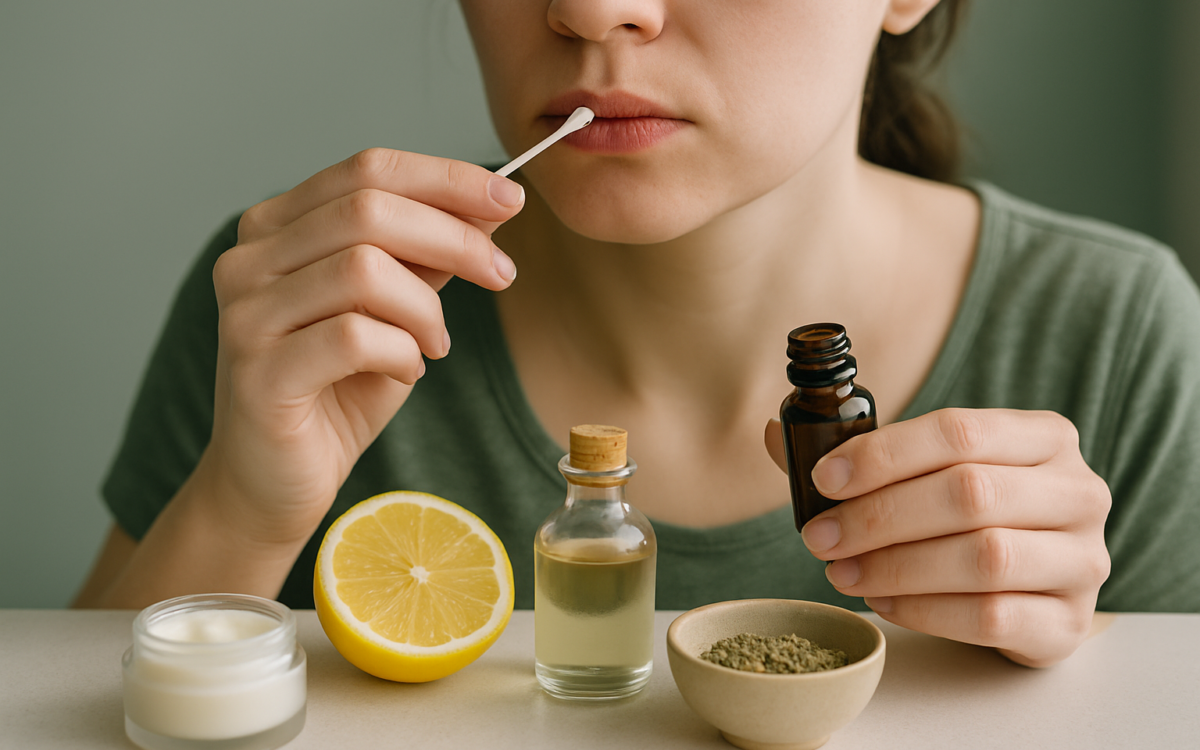
Cold sores are those uncomfortable, blister-like sores that often appear on or around the lips, usually caused by the herpes simplex virus (HSV). While they can be painful and unsightly, many people find relief through various home remedies. In this article, we will explore some of these remedies, their potential benefits, and when to consider seeking medical advice.
Understanding Cold Sores
Cold sores, also known as fever blisters, are common and typically appear as small, fluid-filled blisters that crust over as they heal. The outbreak can be triggered by various factors, including stress, illness, hormonal changes, or exposure to sunlight.
While there is no cure for the herpes simplex virus, many individuals find that certain home remedies can help alleviate symptoms and reduce the duration of outbreaks.
1. Ice and Cold Compress
Applying ice or a cold compress to the cold sore can provide immediate relief from pain and swelling. The cold helps numb the area and can reduce inflammation.
- Wrap ice cubes in a clean cloth to avoid direct contact with the skin.
- Apply it for about 15–20 minutes several times a day during an outbreak.
Remember to avoid using ice directly on the skin to prevent frostbite.
2. Aloe Vera Gel
Aloe vera is known for its soothing and healing properties. Studies suggest that aloe vera can help reduce the severity and duration of cold sores. Applying pure aloe vera gel might aid in healing naturally and provide relief.
- Apply aloe vera gel directly to the sore 2–3 times daily.
- Consider using pure aloe vera gel without additional additives for the best results.
Research from the NIH highlights the effectiveness of aloe vera in wound healing, making it a valuable option for managing cold sores.
3. Honey and Lemon Balm
Honey possesses natural antiviral properties, and recent studies indicate that it can be effective in managing cold sores. Combining honey with lemon balm can further enhance its effectiveness. Lemon balm, a member of the mint family, has been shown to inhibit the growth of the herpes virus.
- Mix equal parts honey and lemon balm extract and apply to the affected area.
- Leave it on for 30 minutes before rinsing gently.
Both honey and lemon balm can provide soothing effects while promoting healing.
4. Essential Oils: The Power of Nature
Certain essential oils, such as tea tree oil and lavender oil, have been studied for their potential antiviral properties. Although more research is needed, these oils may be beneficial in managing cold sore symptoms.
- Dilute a few drops of tea tree oil in a carrier oil (like coconut or olive oil) and apply it directly to the sore.
- Lavender oil can also be diluted similarly and applied for a soothing effect.
Always perform a patch test first to ensure there are no allergic reactions.
5. Diet and Immune Support
A strong immune system can help combat outbreaks of cold sores. Eating a balanced diet rich in vitamins, minerals, and antioxidants can support your body’s defense against the herpes virus.
- Include foods high in lysine, such as yogurt, fish, and legumes, as lysine may help inhibit the virus.
- Incorporate plenty of fruits and vegetables, especially those rich in Vitamin C and E, to strengthen your immune system.
- Avoid foods high in arginine, such as nuts and chocolate, as arginine may promote outbreaks.
For those traveling or seeking advanced treatment options, institutions like Acibadem International offer a range of therapeutic approaches to manage cold sores and enhance overall health.
6. Stress Management Techniques
Stress is a known trigger for cold sore outbreaks. Managing stress through relaxation techniques can be beneficial. Practices like yoga, meditation, or deep-breathing exercises can help reduce stress levels and, in turn, may help minimize the frequency of outbreaks.
- Set aside time for activities you enjoy, whether reading, gardening, or spending time with loved ones.
- Consider mindfulness or meditation apps that guide you through relaxing practices.
When to See a Doctor
While home remedies can be effective, there are times when it’s essential to consult a healthcare professional. You should see a doctor if:
- The cold sore doesn’t heal within two weeks.
- You experience frequent outbreaks.
- The sores spread to other parts of your body, such as the eyes or genitals.
- You have a weakened immune system or underlying health conditions.
Your doctor can determine if prescription antiviral medication is necessary to help manage outbreaks and alleviate symptoms.
Cold sores can be a nuisance, but various home remedies might help you find relief. From cold compresses and aloe vera to dietary adjustments and stress management, exploring these natural options can provide comfort and support your body’s healing process. Always remember to consult with a healthcare provider if you’re uncertain or if symptoms persist, ensuring you receive appropriate care.
