
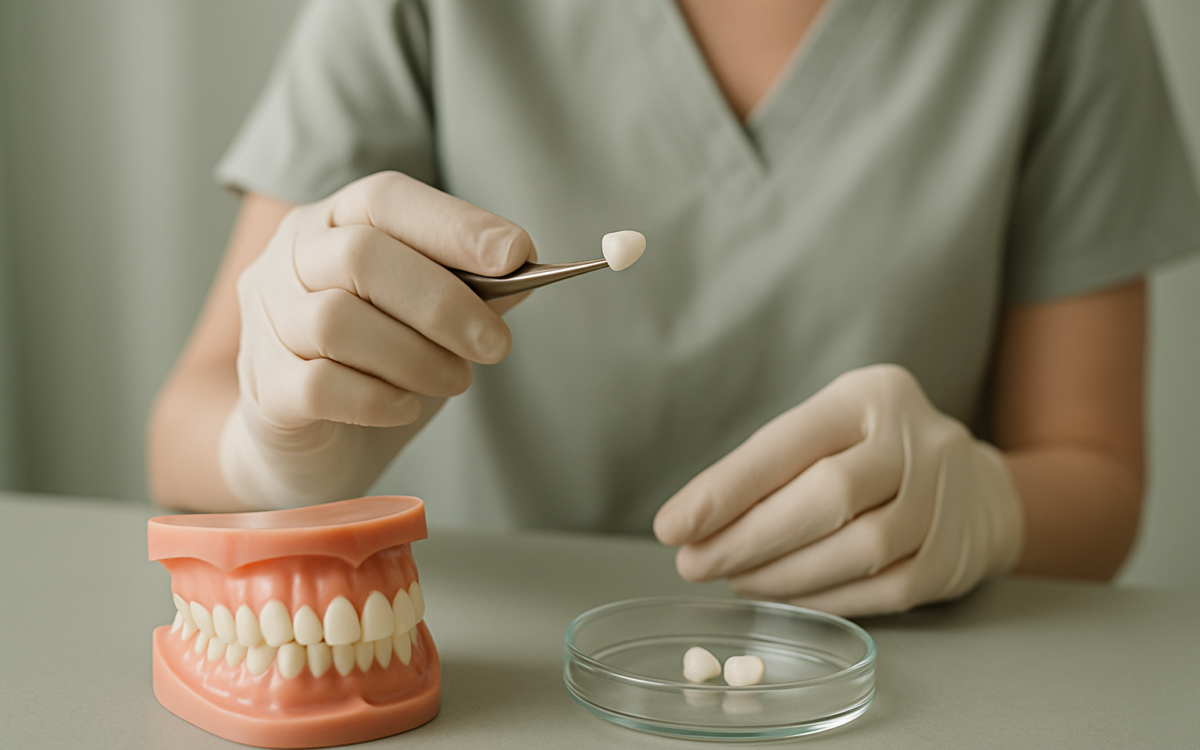
When it comes to dental restorations, choosing the right material for crowns can be overwhelming. One modern option gaining popularity is the zirconia dental crown. Known for its remarkable strength and aesthetic appeal, zirconia crowns are becoming a preferred choice for many patients. In this article, we’ll explore what zirconia crowns are, their benefits and limitations, how they compare to other materials, their application in different dental procedures, and important considerations before getting one.
What are zirconia dental crowns?
Zirconia dental crowns are prosthetic devices made from zirconium dioxide, a highly durable ceramic material. These crowns are custom-made to cover and protect a damaged tooth or to enhance its appearance. They are often used in various dental procedures, including root canals, extensive cavities, and after dental implants.
Benefits of zirconia dental crowns
Zirconia crowns offer several advantages that make them a popular option for both dentists and patients:
- Strength: Zirconia is one of the strongest materials used in dentistry, making it highly resistant to wear and fracture. This feature is especially beneficial for back teeth, which endure a lot of biting force.
- Aesthetic Appeal: Zirconia crowns can be shaded to match the natural color of your teeth, making them less noticeable compared to metal crowns.
- Biocompatibility: Zirconia is generally very well-tolerated by the body. This means there is a reduced risk of allergic reactions or sensitivity, which can sometimes occur with metal-based crowns.
- Less Tooth Reduction: Unlike some other crown materials, zirconia requires less removal of the tooth structure, which is beneficial for preserving as much of your natural tooth as possible.
Limitations of zirconia dental crowns
While zirconia crowns are an excellent option for many, they do come with a few limitations that are important to consider:
- Certain Procedures: Although highly durable, zirconia crowns might not be suitable for all dental treatments. The specific circumstances of your dental health will determine their appropriateness.
- Initial Cost: The cost of zirconia dental crowns can be higher compared to traditional metal crowns due to the materials and technology used in their creation.
- More Difficult to Adjust: If adjustments are needed after placing a zirconia crown, it can be more challenging. Special instruments are required to make these adjustments without damaging the crown.
Zirconia crowns vs. other crown materials
There are various materials used for dental crowns, each with its advantages and disadvantages. Here’s how zirconia stacks up against two common alternatives: porcelain-fused-to-metal (PFM) crowns and gold crowns.
- Porcelain-Fused-to-Metal Crowns: These crowns offer good aesthetics, but they may chip or wear over time. The metal underneath can also show through the porcelain after some wear, affecting the appearance.
- Gold Crowns: Gold crowns are incredibly strong and have excellent wear resistance. However, they are less appealing for front teeth due to their metallic color.
- Comparison: Zirconia crowns provide the strength of gold and the aesthetic qualities of porcelain, making them a versatile choice.
How are zirconia crowns applied?
The process for receiving a zirconia crown usually involves several steps:
- Consultation: Your dentist will evaluate your tooth and discuss your options.
- Preparation: The affected tooth needs to be shaped and reduced to fit the crown. This may involve some removal of decay or old fillings.
- Impressions: Once prepared, impressions of your teeth will be taken. This ensures the new crown will fit perfectly.
- Temporary Crown: A temporary crown may be placed while the permanent zirconia crown is being created.
- Placement: After a few weeks, you’ll return to have the permanent crown fitted. Your dentist will check the fit and make any necessary adjustments before permanently cementing it in place.
Maintenance and care for zirconia crowns
Taking care of zirconia crowns is similar to caring for your natural teeth. Here are some tips to help ensure their longevity:
- Regular Dental Check-Ups: Visiting your dentist regularly allows for monitoring the condition of the crowns and your overall oral health.
- Good Oral Hygiene: Brushing twice a day, flossing daily, and using an antimicrobial mouth rinse are essential practices.
- Avoid Hard Foods: While zirconia is durable, it’s wise to avoid biting hard objects like ice or using your teeth for tasks other than chewing food.
When to see a doctor
If you experience pain, discomfort, or visible damage to a zirconia crown, it’s essential to consult your dentist as soon as possible. They can assess the issue and recommend appropriate treatment.
For specific questions or concerns about your dental health, don’t hesitate to reach out to a dental professional. They can provide personalized recommendations based on your individual needs.
In conclusion, zirconia dental crowns are a strong, aesthetic choice for dental restoration. With their numerous benefits and careful maintenance, they’ve become a go-to option for many individuals needing tooth restoration. Whether you’re considering a crown or simply want to be informed, understanding the materials available can lead to better decisions about your oral health.
