
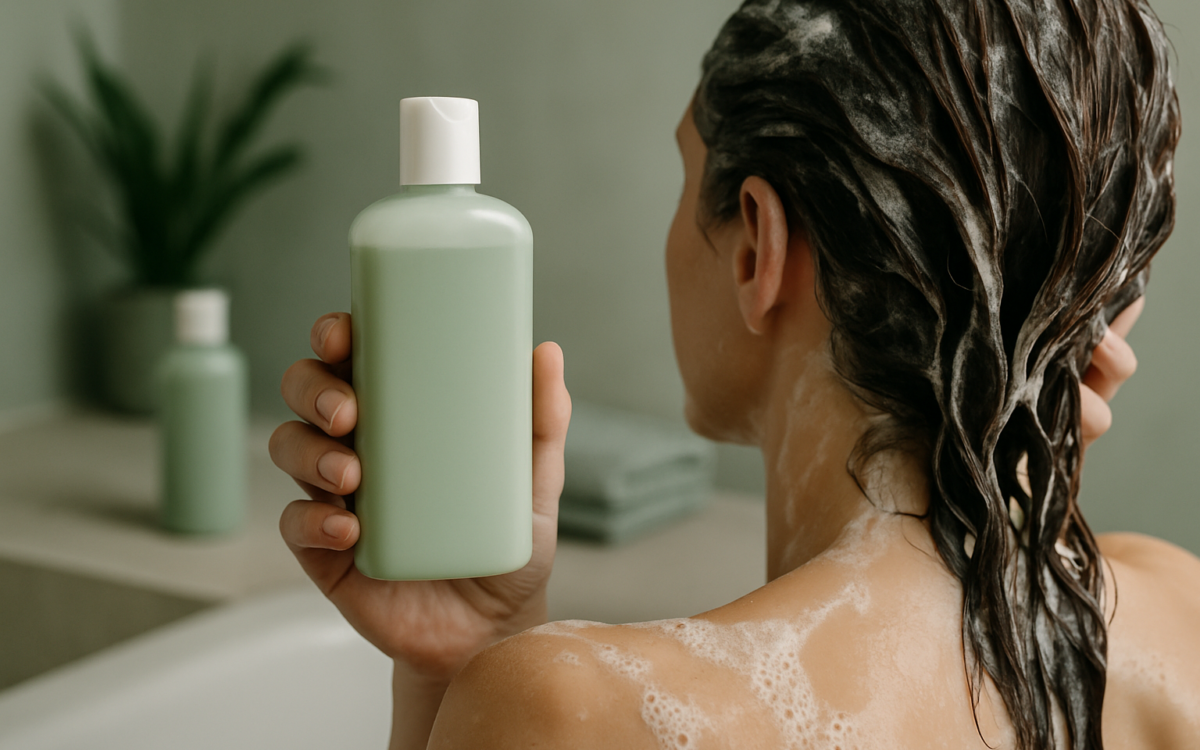
Medicated shampoos are specialized hair care products designed to treat various scalp conditions like dandruff, psoriasis, and seborrheic dermatitis. While many people may reach for regular shampoo to cleanse their hair, those suffering from persistent itching, flaking, or irritation may greatly benefit from these targeted treatments. Understanding how these shampoos work can help you choose the right product for your unique scalp needs.
What Are Medicated Shampoos?
Medicated shampoos contain active ingredients that target specific scalp conditions. Unlike regular shampoos that primarily focus on cleansing and fragrance, these products contain therapeutic components designed to relieve symptoms related to scalp issues. They can help to reduce inflammation, eliminate fungal growth, and control excess oil production, depending on their formulation.
Common Scalp Conditions Treated by Medicated Shampoos
Medicated shampoos are effective for a variety of scalp conditions. Here are a few of the most common:
- Dandruff: Caused by the overgrowth of the Malassezia yeast, dandruff is characterized by flaky, itchy skin on the scalp. Medicated shampoos containing ingredients like zinc pyrithione or ketoconazole can combat this condition effectively.
- Psoriasis: This chronic autoimmune condition leads to rapid skin cell growth, resulting in thick, red patches covered with silvery flakes. Shampoos containing coal tar or salicylic acid may help reduce symptoms.
- Seborrheic Dermatitis: This inflammatory skin condition can cause redness, oily patches, and dull flakes. Medicated shampoos with selenium sulfide or ciclopirox can help reduce these effects significantly.
- Folliculitis: This condition involves inflammation of hair follicles, often leading to red bumps and discomfort. Antibiotic shampoos can be effective in treating this issue.
How to Use Medicated Shampoo Effectively
To get the most out of your medicated shampoo, follow these steps:
- Read Labels Carefully: Always check the ingredients and indications on the shampoo bottle. Choose a shampoo that specifically addresses your scalp condition.
- Follow Instructions: Each medicated shampoo has specific directions regarding how often it should be used. Some may need to be applied daily, while others are effective with less frequent use.
- Apply Correctly: Apply the shampoo directly to your scalp and massage it in gently. It’s essential to leave it on for the recommended time, usually around 5-10 minutes, to allow the active ingredients to work effectively.
- Moisturize After Washing: Some medicated shampoos can be drying. If needed, follow up with a hydrating conditioner or scalp oil.
Choosing the Right Medicated Shampoo
Choosing the right medicated shampoo can feel overwhelming with so many options available. Here are some tips:
- Identify Your Condition: Knowing what scalp condition you’re dealing with will guide your choice. Look for shampoos specifically formulated for your symptoms.
- Consult a Professional: If you’re unsure which product suits your needs best, consider consulting a dermatologist. They can provide valuable insights and recommendations based on your scalp’s health.
- Patch Test: Before applying a new product all over your scalp, perform a patch test on a small area to check for any adverse reactions.
Potential Side Effects of Medicated Shampoos
While medicated shampoos can be beneficial, they may also have potential side effects. Some individuals may experience:
- Dryness or irritation of the scalp
- Allergic reactions
- Changes in hair texture or color
If you notice any severe reactions or that your symptoms worsen after using a medicated shampoo, it is essential to stop using it and discuss your experiences with a healthcare professional.
When to See a Doctor
If you have tried over-the-counter medicated shampoos without improvement or if your scalp condition worsens, it’s time to seek professional help. Additional signs that it may be time to consult a doctor include:
- Severe itching that disrupts daily activities
- Red or swollen areas of the scalp
- Hair loss associated with scalp irritation
- Worsening symptoms despite continuous use of medicated shampoos
Conclusion
Medicated shampoos provide a valuable option for those struggling with various scalp conditions, helping to relieve symptoms and promote healthier hair. By understanding the different types available and how to use them effectively, you can make informed decisions that lead to better scalp health. Always remember to consult a healthcare provider if you experience persistent issues, as they can guide you towards the most effective treatment strategies.
