
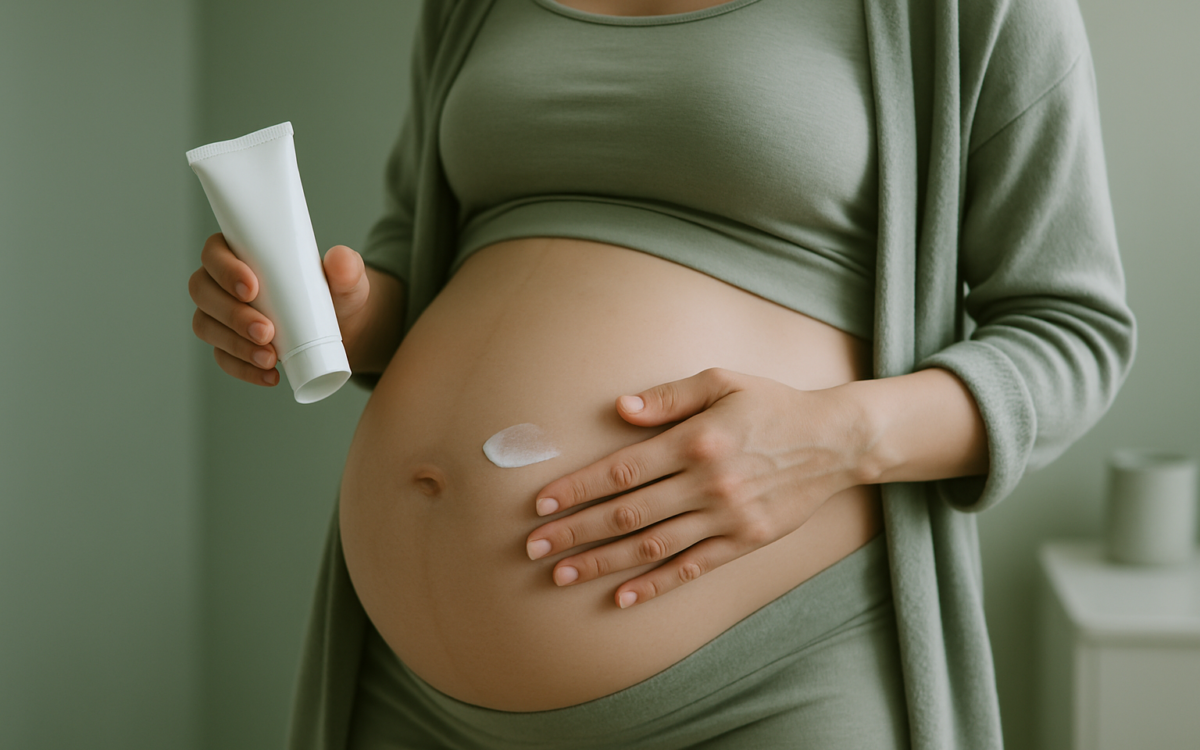
Pregnancy is a time of exciting changes, both physical and emotional. As your body adapts, it’s important to pay attention to your skincare routine, especially when it comes to sun protection. The sun’s harmful UV rays can affect your skin and overall health, making it crucial to find a sunscreen that is safe for you and your growing baby.
Understanding the Importance of Sunscreen During Pregnancy
During pregnancy, your skin undergoes various changes due to hormonal fluctuations. You may notice increased sensitivity or the development of skin conditions, such as melasma, which is often referred to as the “mask of pregnancy.” Wearing sunscreen can help prevent these issues while also protecting you from skin cancer, which is a risk at any stage of life.
What Makes Sunscreen Safe During Pregnancy?
Choosing the right sunscreen is key. The two main categories of sunscreen are chemical and physical (or mineral) sunscreens. Understanding the differences can help you make an informed choice.
Chemical Sunscreens
Chemical sunscreens work by absorbing UV radiation through their active ingredients, which often include avobenzone, octisalate, and oxybenzone. While they are effective at preventing sunburn, some ingredients may penetrate the skin and enter the bloodstream. Because of this potential concern, many experts recommend caution when using chemical sunscreens during pregnancy.
Physical Sunscreens
Physical sunscreens use zinc oxide or titanium dioxide as active ingredients. These compounds sit on the surface of the skin, reflecting and scattering UV rays instead of being absorbed. Studies suggest that physical sunscreens are generally considered safe for use during pregnancy, making them a favorable option for expectant mothers. According to the Mayo Clinic, these types of sunscreens offer broad-spectrum protection without the chemical absorption risks.
Tips for Choosing Pregnancy Safe Sunscreen
When selecting a sunscreen while pregnant, consider the following tips:
- Look for broad-spectrum protection: This ensures it protects against both UVA and UVB rays.
- Choose SPF 30 or higher: An SPF of 30 blocks about 97% of UVB rays, providing ample protection.
- Prioritize physical sunscreens: As mentioned, physical sunscreens are typically safer during pregnancy.
- Check for fragrance-free options: Fragrance can sometimes cause irritation; it’s better to choose unscented products.
Skin Care Practices to Complement Your Sunscreen
Applying sunscreen is just one part of a proactive sun care routine. Here are additional practices to consider:
- Wear protective clothing: Lightweight long sleeves, hats, and sunglasses can provide extra protection.
- Avoid peak sun hours: Try to stay indoors during midday hours when the sun’s rays are strongest.
- Reapply regularly: Make sure to reapply sunscreen every two hours, especially if you’re swimming or sweating.
Popular Pregnancy Safe Sunscreens
With many options available, here are a few well-reviewed pregnancy safe sunscreens to consider:
- EltaMD UV Clear Broad-Spectrum SPF 46: This physical sunscreen is lightweight and suitable for sensitive skin.
- CeraVe Hydrating Mineral Sunscreen SPF 30: Known for its hydrating properties, it contains ceramides beneficial for skin health.
- Babyganics Sunscreen Lotion SPF 50: This is an excellent choice for both mothers and babies, being free from harsh chemicals.
Always read labels carefully and consult with your healthcare provider about any product you’re considering.
When to See a Doctor
If you experience any unusual skin reactions, persistent rashes, or severe sunburn while using sunscreen, contact your doctor. It’s essential to address any skin issues, especially during pregnancy.
Conclusion
Protecting your skin during pregnancy is essential for both your health and that of your baby. By choosing pregnancy safe sunscreen, you can enjoy your time in the sun while feeling confident that you’re making a healthy choice. Remember to consult with your healthcare provider if you have any questions or concerns about your sunscreen options.
