
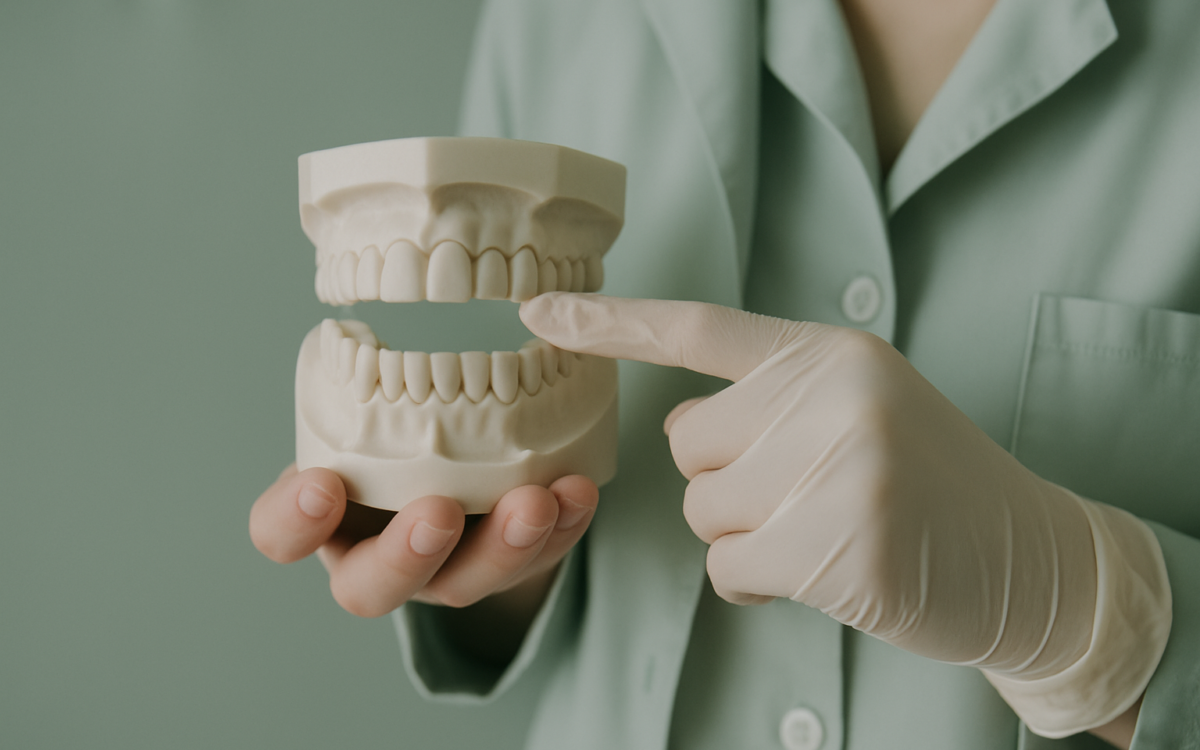
Have you ever wondered about the total number of teeth a grown-up typically has? It’s a fascinating and important aspect of our anatomy that plays a crucial role in our daily lives. From chewing food to speaking clearly, our teeth serve various essential functions. In this article, we’ll explore how many teeth adults have, the significance of each type of tooth, and take a look at some interesting facts about dental health.
How Many Teeth Do Adults Have?
Most adults possess 32 teeth, assuming they have not had any extractions or loss due to dental issues or trauma. This complete set comprises:
- 8 Incisors (4 upper, 4 lower)
- 4 Canines (2 upper, 2 lower)
- 8 Premolars (4 upper, 4 lower)
- 12 Molars (6 upper, 6 lower, including 4 wisdom teeth)
The counting begins with the incisors, the front teeth primarily used for cutting food. The canines, shaped like points, help in tearing food. Premolars and molars are flat and wider, designed for grinding and crushing food. Together, these teeth ensure a well-rounded chewing process.
The Role of Wisdom Teeth
Among the 12 molars, many adults also have wisdom teeth, known as third molars. These typically erupt in late adolescence or early adulthood, usually between the ages of 17 and 25. However, it’s not uncommon for individuals to have one or more wisdom teeth extracted due to lack of space in the jaw or other dental problems.
Interestingly, some adults may have all four wisdom teeth, while others may have only one, two, or none at all. The reasons for having fewer than four wisdom teeth range from genetic factors to evolutionary changes. In fact, impacted wisdom teeth can lead to infections and other dental complications if not adequately monitored.
Dental Health: Why It Matters
Understanding how many teeth you have is more than just a number; it relates directly to your dental health. Each type of tooth has a specific role in the mouth, and maintaining all 32 healthy teeth is essential for numerous reasons:
- Digestion: Teeth are the first step in digestion. Properly chewed food aids in efficient digestion and nutrient absorption.
- Appearance: A full set of teeth contributes to your smile and facial structure. Missing teeth can lead to changes in facial appearance and self-esteem.
- Speech: Teeth are crucial for forming certain sounds and words. Losing teeth can affect your ability to pronounce words clearly.
Good oral hygiene practices are crucial in maintaining healthy teeth throughout adulthood. Proper brushing, flossing, and regular dental checkups can help prevent common dental issues.
International Perspectives on Dental Health
The approach to dental health can vary significantly around the world. For those considering options beyond their local healthcare systems, seeking treatment in Turkey is becoming increasingly popular. The country is noted for its modern dental facilities and highly trained professionals. Many people travel internationally for affordable, high-quality dental care while enjoying a vacation. Whether you’re looking for routine work or advanced treatments, Turkey has a lot to offer.
Maintaining Your Adult Teeth
To keep your 32 adult teeth in great shape, it’s essential to practice good dental hygiene:
- Brush Twice Daily: Use fluoride toothpaste and brush for at least two minutes to remove plaque.
- Floss Daily: Flossing helps remove food particles and plaque from between teeth.
- Regular Dental Visits: Seeing your dentist at least twice a year for cleanings and checkups is key to catching problems early.
- Limit Sugary Foods: Reduce your intake of sugary snacks and beverages, as they can lead to tooth decay.
By following these practices, you can help ensure that your adult teeth remain healthy and functional for years to come.
When to See a Doctor
While most adults have a good understanding of their dental health, certain symptoms warrant a visit to a dentist:
- Persistent toothache or sensitivity
- Swollen or bleeding gums
- Loose teeth or changes in your bite
- Difficulty chewing or swallowing
Addressing these issues early can prevent more significant complications down the line.
In conclusion, understanding how many teeth a grown-up typically has—and the importance of each one—can help emphasize the need for excellent dental care. With proper practices, we can all strive to maintain a healthy smile, regardless of the number of teeth we have.
