
Have you recently had a wisdom tooth extraction? If so, you are not alone. Many people undergo this common procedure, often as a preventive measure to avoid dental problems in the future. While the extraction is just the first step in your journey, understanding the healing process can make all the difference. Knowing what to expect and how to care for yourself afterward is key to a smoother recovery.
What Happens After Wisdom Tooth Extraction?
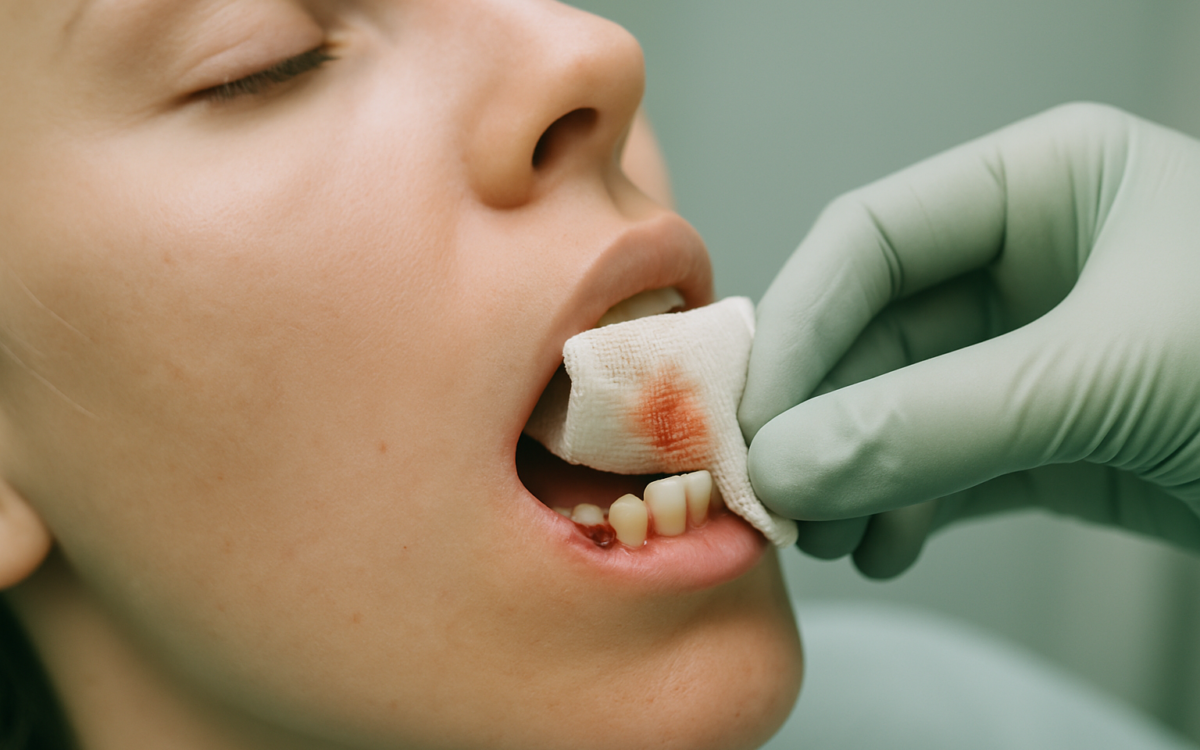
After a wisdom tooth is removed, your body begins the healing process automatically. The extraction site may bleed for a few hours post-surgery, but this should gradually lessen. Blood clots will form in the empty socket, which is essential for proper healing. Protecting this clot is crucial, as its dislodgment can lead to a painful condition known as dry socket.
Initial Care: The First 24 Hours
The first day following your wisdom tooth extraction is critical. Here are some tips to help you manage your recovery:
- Rest: Keep physically active to a minimum. Allow your body to focus its energy on healing.
- Ice the area: Applying ice packs on your cheeks can help reduce swelling. Aim for 15-minute intervals with ice on and 15 minutes off.
- Watch your diet: Stick to soft foods such as yogurt, applesauce, or mashed potatoes. Avoid anything too hot, spicy, or crunchy.
- Stay hydrated: Drink plenty of water, but avoid straws, as sucking can dislodge the blood clot.
Managing Pain and Discomfort
It’s natural to experience some pain and discomfort after the procedure. Over-the-counter pain relief, such as ibuprofen or acetaminophen, can help you manage your symptoms. Follow the instructions provided by your dentist or oral surgeon closely. Mayo Clinic indicates that most of the discomfort will peak within the first 2-3 days and should gradually improve thereafter.
Signs of Complications
While most recoveries are straightforward, you should be vigilant for any signs of complications. Some symptoms that warrant a call to your dentist or oral surgeon include:
- Severe pain that worsens after a few days
- Excessive bleeding that continues for more than a few hours
- Swelling that does not begin to decrease after 48 hours
- Fever or chills
- Unpleasant taste or odor coming from the extraction site
If any of these occur, it’s essential to reach out for professional advice. Prompt attention to complications can prevent more serious issues down the line.
Maintaining Oral Hygiene
Keeping the extraction site clean is vital for a healthy healing process. However, you should take extra care in how you handle your oral hygiene during the first week after surgery:
- Gently rinse your mouth: After the first 24 hours, you can start using a saltwater rinse to keep the area clean. Mix a teaspoon of salt in a glass of warm water and gently swish it around.
- Be cautious with brushing: Avoid brushing the area directly for the first few days. You can brush your teeth carefully, keeping the extraction site free from direct contact.
- Visit your dentist: Attend any follow-up appointments as scheduled to ensure your recovery is on track.
When to Resume Normal Activities
People often wonder when they can return to their regular activities after wisdom tooth extraction. Typically, light activities can be resumed after a day or two. However, more vigorous activities such as exercise or heavy lifting should wait for about a week. Listen to your body, and if you feel any discomfort, give yourself more time to heal.
Long-Term Expectations
Complete healing time can vary from person to person, generally taking from a few days to a couple of weeks. Soft tissue typically heals faster, while the bone may take longer to fully recuperate. It’s essential to follow any specific instructions from your dentist during this period.
Caring for Your Dental Health
After you’ve fully healed, remember that maintaining good oral hygiene is crucial to avoid future dental issues. This includes regular dental check-ups, proper brushing and flossing, and making healthy lifestyle choices.
When to See a Doctor
If your recovery doesn’t seem to be progressing or if you have any concerns about your healing process, don’t hesitate to consult a healthcare professional. Early intervention can spare you unnecessary discomfort and complications.
In conclusion, healing after a wisdom tooth extraction involves attentive care but can be managed successfully with the proper knowledge and precautions. By staying aware of your symptoms and following guidelines, you can lead yourself toward a smooth recovery. For more information, check out resources from reputable organizations such as the NIH or WHO.
