
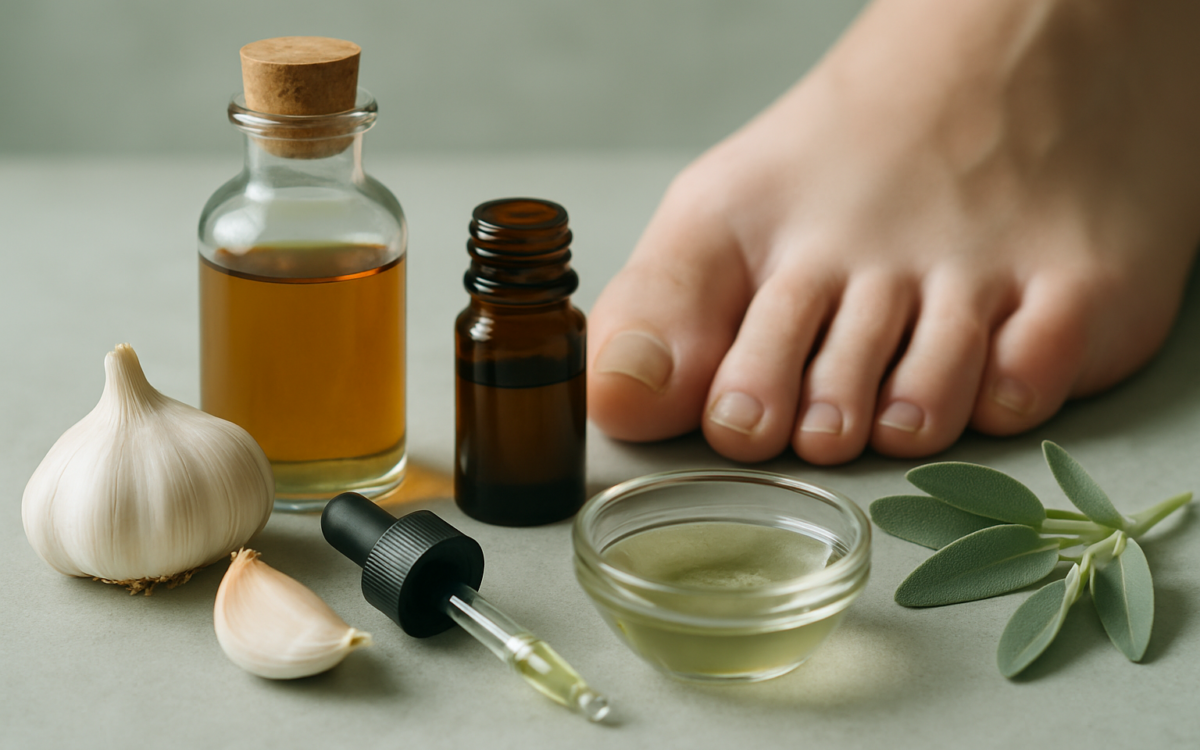
Toenail fungus, or onychomycosis, can be a frustrating condition that affects many people. It often leads to discolored, thickened nails, and in some cases, it can cause discomfort or pain. While there are various medical treatments available, many seek out natural or home remedies to manage this common issue. In this article, we’ll explore several antifungal home remedies that may help you combat toenail fungus effectively, along with tips for maintaining good foot health.
Understanding Toenail Fungus
Before diving into remedies, it’s essential to understand what toenail fungus is. It’s usually caused by a group of fungi known as dermatophytes, which thrive in warm, moist environments. Factors such as sweaty shoes, nail injuries, and poor circulation can increase your risk of developing a fungal infection. Once the infection takes hold, it can be challenging to treat, making prevention equally important. For more detailed information on fungal infections, visit NIH.
Tea Tree Oil
Tea tree oil is renowned for its antifungal and antiseptic properties. Research suggests that it can inhibit the growth of fungi, making it a popular choice for treating toenail fungus. To use tea tree oil effectively:
- Apply a few drops of pure tea tree oil directly to the affected nail using a cotton swab.
- Let it sit for at least 30 minutes before covering the nail.
- Repeat this process twice daily for several weeks.
It’s crucial to be consistent, as improvement may take time. Some users have reported positive results within a few weeks, while symptoms may take longer to resolve in others.
Apple Cider Vinegar
Apple cider vinegar (ACV) is another versatile home remedy valued for its antifungal properties. Its acidity can help combat toenail fungus and restore your nail’s natural pH balance. Here’s how to use it:
- Mix equal parts of ACV and water in a basin.
- Soak your feet for 30 minutes daily.
- After soaking, ensure your feet are completely dry before putting on socks or shoes.
For added potency, you can apply undiluted ACV directly to the nail and allow it to air dry. This can be done once or twice a day.
Garlic
Garlic is not just a flavorful ingredient; it also boasts powerful antifungal properties. The compound allicin found in garlic can help fight fungal infections. Here’s how to use garlic for toenail fungus:
- Crush a few cloves of fresh garlic to release the allicin.
- Apply the crushed garlic directly to the affected area.
- Cover with a bandage and leave it on for up to an hour.
For best results, repeat this method once daily. You can also incorporate more garlic into your diet, as its antifungal effects work both internally and externally.
Baking Soda
Baking soda is known for its ability to neutralize odors and absorb moisture, making it useful in treating toenail fungus. It can help create a less favorable environment for fungi to thrive. To utilize baking soda:
- Create a paste by mixing baking soda with water.
- Apply it to the infected nail and let it sit for about 10-15 minutes.
- Rinse it off and dry your feet thoroughly.
You can also sprinkle baking soda in your shoes and socks to help absorb moisture and prevent fungal growth.
Essential Oils
Besides tea tree oil, other essential oils such as oregano oil and lavender oil can also offer antifungal benefits. Oregano oil contains carvacrol, which has been shown to have antifungal properties. To use essential oils:
- Mix two to three drops of essential oil with a carrier oil like coconut oil.
- Apply to the affected nail and surrounding skin.
- Repeat twice daily.
Always perform a patch test on a small area of skin to ensure you do not have an allergic reaction before widespread use.
Maintaining Toenail Health
While home remedies can be effective, preventing toenail fungus is just as important. Here are practical tips to keep your toenails healthy:
- Keep your feet clean and dry, especially between the toes.
- Wear breathable shoes made from materials like leather or canvas.
- Choose moisture-wicking socks and change them regularly.
- Avoid sharing nail clippers and footwear with others to prevent the spread of fungi.
- Trim your toenails regularly, keeping them short and straight across.
By practicing good foot hygiene, you can help reduce your risk of infection and maintain healthier nails.
When to See a Doctor
While many people can manage mild cases of toenail fungus at home, there are times when it’s essential to consult a healthcare professional. You should see a doctor if:
- The infection persists despite using home remedies.
- There is pain, swelling, or discharge coming from the nail.
- You have underlying health conditions, such as diabetes, that may complicate the infection.
A doctor can provide a proper diagnosis and recommend effective treatment options, including prescription medications if necessary.
In conclusion, managing toenail fungus with home remedies can be a gentle and effective approach for many people. Remedies like tea tree oil, apple cider vinegar, garlic, and baking soda offer natural options that may improve your condition. However, always remember that consistency is key, and maintaining good foot hygiene is crucial for preventing future infections. If symptoms persist or worsen, it’s important to consult a healthcare professional for a thorough evaluation and treatment plan.
