
Most people experience some changes during their menstrual cycle, but when an unusual odor arises, it can lead to concern. A bad smell associated with your period may be unpleasant, alarming, or even embarrassing, prompting many to wonder about its causes. In this article, we will explore the reasons behind a strong menstrual odor, potential health implications, and when you should consult a healthcare professional.
Understanding Menstrual Odor
Menstrual fluid consists of blood, vaginal secretions, and uterine tissue. When combined, these elements can produce a variety of smells. It’s important to note that a certain degree of odor is normal. However, if the smell is particularly strong or unpleasant, it can indicate changes in your menstrual health.
Common Causes of Bad Odor
Several factors can contribute to unpleasant smells during menstruation. Here are some common culprits:
- Bacterial Vaginosis: This condition occurs when there is an imbalance in the natural bacteria present in the vagina. It can lead to an unusually fishy odor, particularly noticeable during menstruation. Bacterial vaginosis is usually accompanied by other symptoms like unusual discharge and irritation.
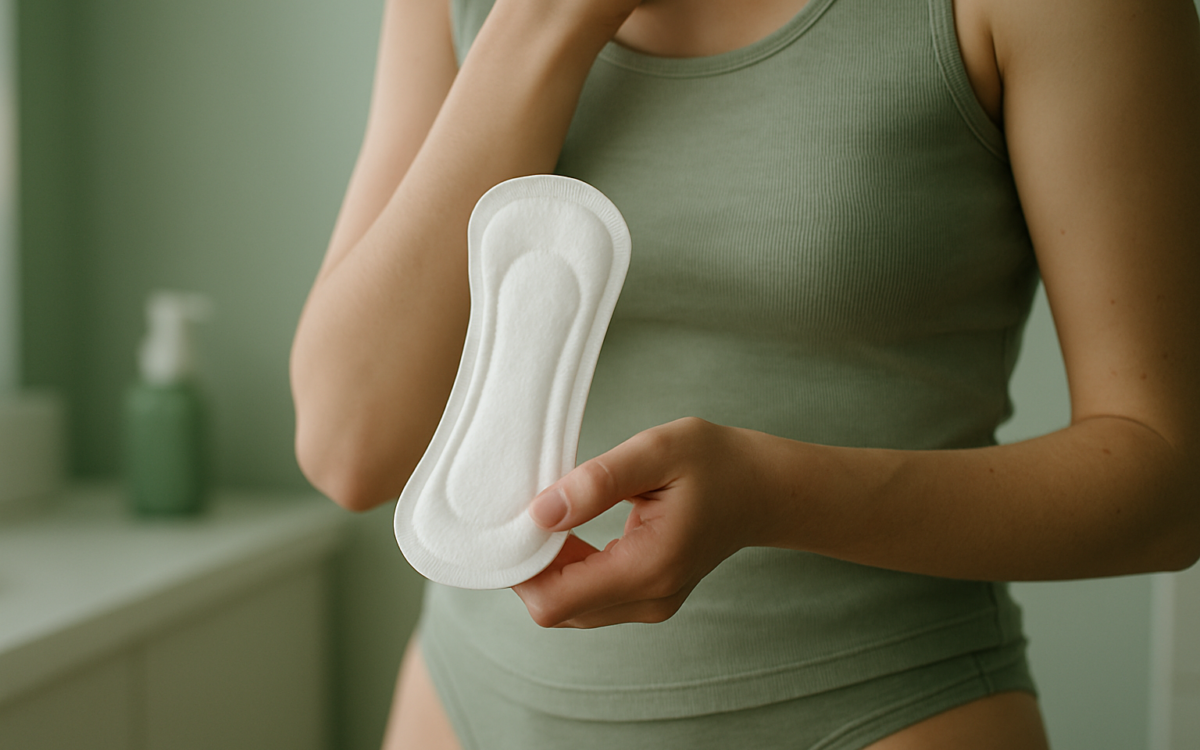
- Menstrual Hygiene Products: Certain pads or tampons can absorb odors or retain menstrual fluid, leading to a foul smell. Choosing high-quality products and changing them frequently can help reduce odor.
- Infections: Both sexually transmitted infections (STIs) and yeast infections can cause a change in odor. If you notice a strong smell accompanied by itching, burning, or unusual discharge, an infection could be the cause.
- Retained Tampons: Leaving a tampon in for longer than recommended can result in serious health risks, including TSS (toxic shock syndrome). It can also cause a foul smell due to bacterial growth.
- Dietary Changes: Certain foods, such as garlic or spices, can affect the smell of your bodily fluids. Staying hydrated and maintaining a balanced diet can help mitigate unusual odors.
The Role of pH in Odor
The vagina maintains a delicate balance of pH, which helps control the growth of bacteria and other microorganisms. Changes in this balance can lead to odor:
- Normal pH Levels: A healthy vaginal pH ranges from 3.8 to 4.5. This acidic environment helps prevent infections and minimizes strong odors.
- pH Changes: Factors like menstrual blood, medications, and infections can alter the pH level, contributing to a stronger or unpleasant odor.
How Menstrual Cycle Phases Affect Smell
Throughout your menstrual cycle, hormonal fluctuations can impact not just your mood and physical health but also the odor of your menstrual fluid:
- Follicular Phase: Before ovulation, there may be minimal odor due to lower blood flow.
- Ovulation: Increased blood flow and changes in discharge may lead to stronger smells for some individuals.
- Luteal Phase: As the cycle progresses and menstruation approaches, some may notice a more potent odor related to increased blood, tissue breakdown, and overall hormonal changes.
How to Manage Odor During Your Period
While some odor is normal, there are ways to help minimize any unpleasant smells:
- Maintain Proper Hygiene: Regular cleaning of the genital area with mild, unscented soap can help keep odors at bay. Change menstrual products regularly—ideally every 3-4 hours.
- Avoid Scented Products: Scented pads, tampons, or feminine sprays can disrupt the natural balance of the vagina and may worsen odors.
- Stay Hydrated: Drinking plenty of water can help dilute the smell of menstrual fluid.
- Track Your Cycle: Keeping a menstrual diary can help you notice patterns and changes in odor, which can be useful for discussions with your healthcare provider.
When to See a Doctor
If you notice a strong, foul odor that doesn’t go away with improved hygiene, or if you experience additional symptoms like itching, burning, or unusual discharge, it’s best to consult with a healthcare professional. They can help determine if an infection or another underlying condition may be contributing to the change in odor. It’s essential to prioritize your menstrual health and address any concerns as soon as possible.
Conclusion
A certain degree of odor during your period is entirely normal and often dependent on various factors like hormonal changes or menstrual hygiene products. However, it is always important to pay attention to changes in your body. Should the smell become notably strong or unpleasant, it’s a good opportunity to consult with a healthcare professional. Staying informed about your menstrual health is a vital step toward maintaining overall wellbeing.
