
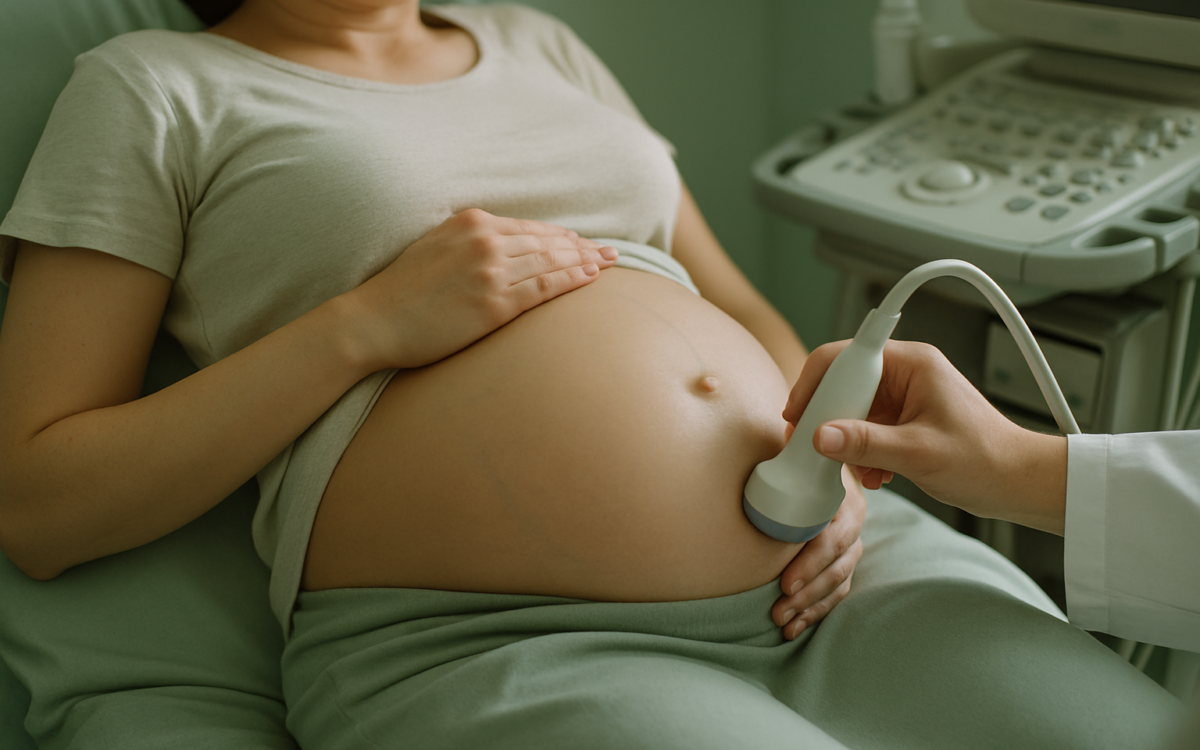
Intrauterine pregnancy is a term that refers to a pregnancy that develops inside the uterus. This is where a fertilized egg implants and grows, leading to the development of a fetus. Understanding what an intrauterine pregnancy entails is essential for expectant mothers, especially when it comes to recognizing early signs, monitoring the pregnancy, and addressing any potential complications. In this article, we will delve into the definition, symptoms, diagnostic methods, potential complications, and more, providing a comprehensive overview of intrauterine pregnancy.
What is Intrauterine Pregnancy?
An intrauterine pregnancy occurs when a sperm fertilizes an egg, and the resulting embryo travels down the fallopian tube into the uterus. Here, it implants into the uterine lining, where it can receive the necessary nutrients and support for growth. Most pregnancies are intrauterine, and they are generally considered the normal and safest type of pregnancy.
Signs and Symptoms of Intrauterine Pregnancy
Recognizing the signs of an intrauterine pregnancy is vital for early pregnancy care. Common early symptoms include:
- Missed Period: One of the first signs is often a missed menstrual period, particularly for women with regular cycles.
- Morning Sickness: Many women experience nausea or vomiting, especially in the early stages of pregnancy.
- Breast Changes: Hormonal changes can cause breasts to feel tender or swollen.
- Increased Urination: A growing uterus can put pressure on the bladder, leading to an increased need to urinate.
- Fatigue: Many women report feeling unusually tired as their bodies work to support the growing fetus.
It’s important to note that these symptoms can also be caused by other factors, so it’s advisable to consult with a healthcare provider if you suspect you could be pregnant.
How is Intrauterine Pregnancy Diagnosed?
Diagnosis of an intrauterine pregnancy typically involves several steps:
- Home Pregnancy Test: Most home tests detect pregnancy hormones in urine and can give accurate results a few days after a missed period.
- Doctor’s Visit: If the home test is positive, a healthcare provider can perform blood tests to measure hormone levels.
- Ultrasound: An ultrasound is often conducted to confirm the pregnancy and ensure it is intrauterine. This is usually done around six weeks into the pregnancy or after.
Ultrasound not only confirms the location of the pregnancy but also helps monitor its development.
Potential Complications of Intrauterine Pregnancy
While most intrauterine pregnancies are healthy, there are potential complications that expectant mothers should be aware of:
- Miscarriage: The loss of pregnancy before 20 weeks is often classified as a miscarriage. This can be more common than many realize, and various factors such as age, health, and previous miscarriages can influence this risk.
- Ectopic Pregnancy: This condition occurs when a fertilized egg implants outside the uterus, commonly in a fallopian tube. An ectopic pregnancy is not viable and can pose serious health risks if not treated promptly.
- Gestational Diabetes: Some women may develop diabetes during pregnancy, which can affect both the mother and the baby’s health if not managed appropriately.
- Preeclampsia: A condition characterized by high blood pressure and damage to other organ systems, commonly the liver and kidneys, usually after the 20th week of pregnancy.
Surveillance and regular prenatal visits are crucial for catching potential complications early.
Healthy Practices During Intrauterine Pregnancy
Maintaining a healthy pregnancy involves numerous practices that can benefit both the mother and the developing baby:
- Regular Prenatal Check-Ups: These appointments are vital for monitoring the health of both mother and baby and for tracking development.
- Balanced Nutrition: A diet rich in essential nutrients, including folic acid, iron, calcium, and protein, supports fetal development.
- Exercise: Staying active can help reduce pregnancy discomforts and improve overall well-being. Always consult with a healthcare provider before starting any new exercise routine.
- Avoiding Harmful Substances: Steering clear of smoking, alcohol, and illicit drugs is essential for the health of both mother and baby.
- Stress Management: Stress can affect pregnancy; therefore, incorporating relaxation techniques such as mindfulness or gentle yoga might be helpful.
Each pregnancy is unique, and discussing personal health habits with a healthcare provider can help tailor the best approach.
When to See a Doctor
Prenatal care is crucial throughout the entire pregnancy. You should contact a healthcare provider if you experience:
- Severe abdominal pain or cramping
- Heavy bleeding
- Severe headaches or vision changes
- Sudden swelling of hands and face
- Signs of an ectopic pregnancy (sharp pain on one side, dizziness, or fainting)
Early intervention can help resolve many issues, ensuring a healthier pregnancy and delivery.
Conclusion
Intrauterine pregnancy is a natural and vital process where a fertile egg develops inside the uterus. Recognizing the signs, understanding potential complications, and maintaining a healthy lifestyle are essential steps for any expectant mother. Always consult with your healthcare provider for personalized guidance and care throughout your pregnancy journey. Staying informed and proactive can help ensure a smooth path to motherhood.
For further information, visit reputable sources like the NIH, Mayo Clinic, and WHO.
