
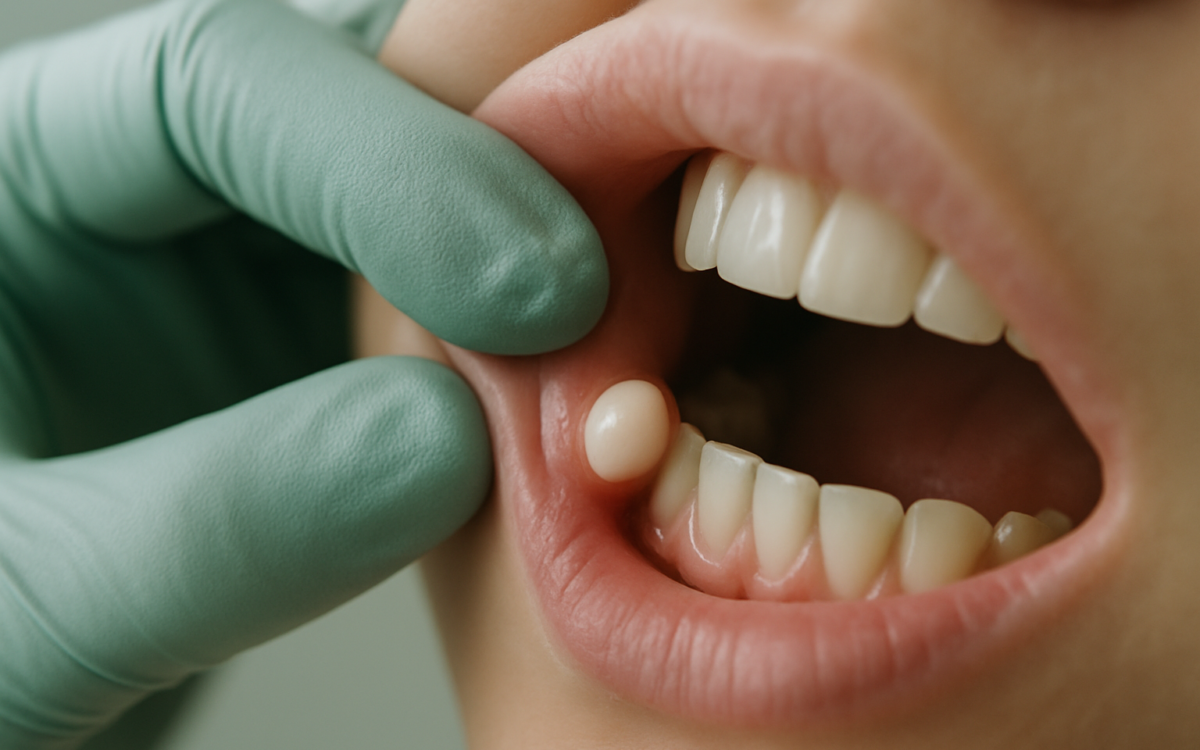
If you’ve discovered a whitish lump on your gum, it’s natural to feel concerned. Your mouth is connected to many facets of health, and changes in its landscape can often signal underlying issues. Understanding what these lumps might mean can help you make informed decisions about your oral health.
What Could a Whitish Lump Be?
Several conditions can result in a whitish lump on the gum. Some of the most common causes include:
- Cysts: These are fluid-filled sacs that can appear on the gums. While most cysts are harmless, they can become infected or cause discomfort if left untreated.
- Fibromas: A fibroma is a benign growth of connective tissue. These can also develop on the gums and usually require no treatment unless they cause issues.
- Abscesses: Gum abscesses occur when bacteria infect the tissue, leading to pus accumulation. They can be painful and require dental intervention.
- Oral Mucosal Lesions: Conditions such as leukoplakia and lichen planus can produce white patches on the gums. While often benign, these conditions can sometimes signify more serious issues, so monitoring them is essential.
- Infections: Certain infections, including oral thrush, can lead to the formation of whitish spots or lumps on the gums.
Signs to Monitor
Not every whitish lump indicates a severe problem, but some accompanying signs can help you determine if it’s time to consult a dentist:
- Swelling: Increased swelling in the area around the lump may suggest a more serious issue.
- Pain or discomfort: If the lump is painful, it could indicate infection or irritation.
- Bleeding: Bleeding gums surrounding the lump may signal gum disease or other infections.
- Changes in size or appearance: If the lump grows or changes color, it’s critical to seek professional evaluation.
Potential Risk Factors
Understanding risk factors can help you stay vigilant about your oral health. Some factors that may contribute to the development of whitish lumps on your gums include:
- Poor oral hygiene: Neglecting regular brushing and flossing can lead to gum diseases that cause lumps and other complications.
- Tobacco use: Smoking or using other tobacco products can increase the likelihood of cysts and other oral lesions.
- Weakened immune system: Conditions that compromise the immune system, such as diabetes or HIV, may lead to a greater risk of infections and growths in the mouth.
- Chronic irritation: If you have an ill-fitting denture or braces causing constant irritation to your gums, you may be more susceptible to lumps.
International Perspectives on Treatment
For those seeking treatment beyond their local facilities, options vary widely based on geographic location and healthcare systems. Countries with advanced healthcare systems may offer specialized treatments for gum issues, including laser therapy for abscesses or advanced surgical interventions for cysts. For those considering overseas options, remember that international patient services can assist in finding qualified professionals and facilities tailored to your needs.
Prevention Tips
While some factors are beyond your control, many practices can help mitigate the risk of developing whitish lumps on your gums:
- Maintain good oral hygiene: Brush and floss regularly to remove plaque and prevent gum disease.
- Regular dental check-ups: Schedule visits to your dentist for professional cleanings and examinations. Early detection can prevent more serious issues.
- Avoid tobacco: Quitting smoking or using other tobacco products can improve oral health significantly.
- Healthy diet: Eating a balanced diet rich in vitamins and minerals supports gum health.
When to See a Doctor
Seek medical advice if you notice a whitish lump on your gum that persists for more than two weeks, is accompanied by pain or swelling, or if the area bleeds or becomes more tender. It’s essential to consult a dental professional for a thorough examination and appropriate treatment options.
By understanding the possible causes and monitoring symptoms, you can take proactive steps to ensure your oral health remains in good shape. It’s essential to prioritize your dental check-ups and maintain a healthy oral care routine, which can significantly reduce the risk of gum-related issues.
