
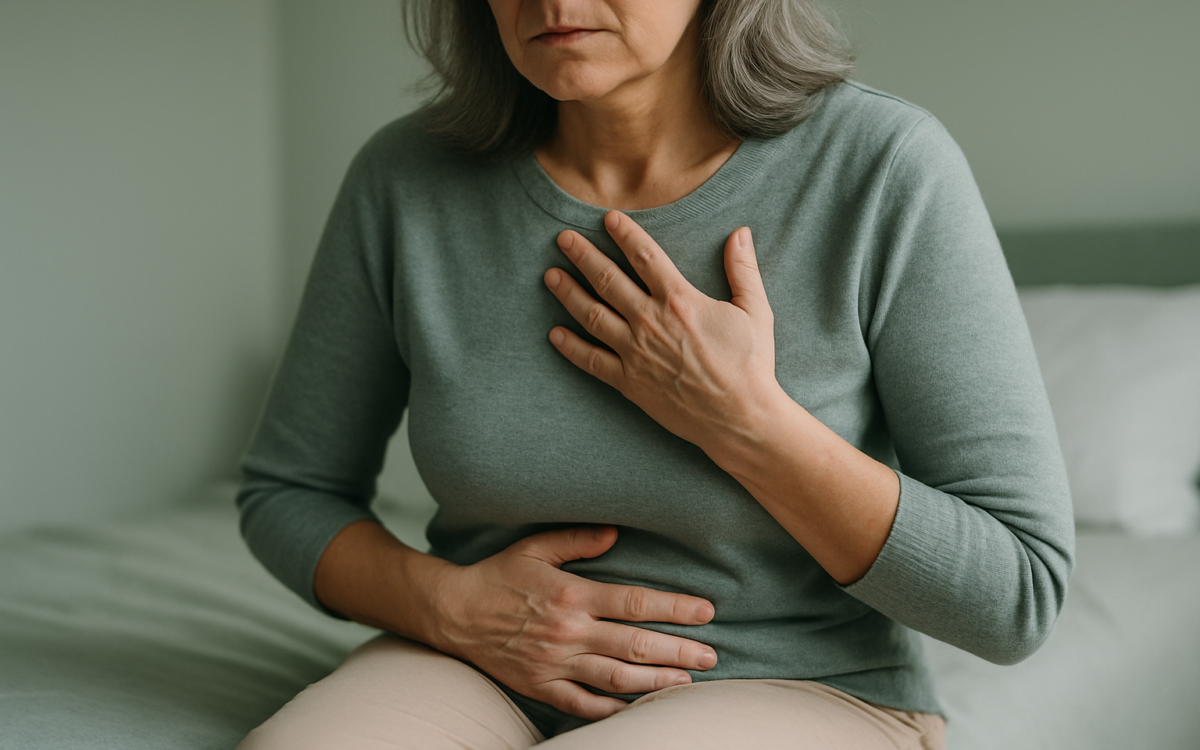
Perimenopause is a significant transition in a woman’s life, leading up to menopause. This period can be a time of physical and emotional changes, and being aware of the symptoms can help you manage them more effectively. Understanding the signs of perimenopause allows women to navigate this natural phase with more confidence and ease.
What is Perimenopause?
Perimenopause, often referred to as the menopause transition, begins several years before menopause. During this time, a woman’s ovaries gradually produce fewer hormones, particularly estrogen and progesterone. This hormonal fluctuation can lead to a variety of symptoms. According to the National Institutes of Health, the average age for menopause is 51, but perimenopause can begin in a woman’s 30s or 40s and last until menopause occurs.
Common Symptoms of Perimenopause
Symptoms of perimenopause can vary greatly among women. Here are some of the most common signs to look out for:
- Irregular Periods: One of the hallmark symptoms of perimenopause includes changes in menstrual cycles. Periods may become closer together or farther apart, and the flow may fluctuate.
- Hot Flashes: Many women experience sudden feelings of warmth, often accompanied by sweating and discomfort. Hot flashes can occur during the day or night, leading to disrupted sleep.
- Night Sweats: These episodes of sweating during sleep can cause sleep disturbances and fatigue.
- Mood Changes: Fluctuating hormone levels can affect mood and emotions. Women may experience increased irritability, anxiety, or sadness.
- Vaginal Dryness: Decreased estrogen levels can lead to vaginal dryness, discomfort during intercourse, and changes in lubrication.
- Memory Lapses: Some women report experiencing difficulty with memory and concentration, often referred to as “brain fog”.
- Changes in Sleep Patterns: Insomnia and other sleep disturbances are common during perimenopause, potentially exacerbated by hot flashes and night sweats.
Physical Changes During Perimenopause
In addition to the hormonal changes, physical transformations can occur as well. Women may notice changes in body weight or fat distribution, often due to slowed metabolism. Skin may lose elasticity, leading to a more aged appearance. Hair may thin or become coarser. These changes can affect self-image and confidence.
Emotional and Psychological Symptoms
The emotional toll of perimenopause can be significant. Many women find themselves feeling more emotional than usual, which can be challenging to navigate. Anxiety, depression, or mood swings may arise due to the hormonal fluctuations and the stresses of life during this transitional period. Support from friends, family, or mental health professionals can be beneficial during these times.
Tips for Managing Perimenopause Symptoms
While the symptoms of perimenopause can be uncomfortable, there are several ways to manage them effectively:
- Stay Active: Regular exercise can help alleviate many symptoms, including mood swings, weight gain, and sleep issues.
- Eat a Balanced Diet: Incorporating a diet rich in fruits, vegetables, whole grains, and healthy fats can support overall health and help manage weight.
- Practice Stress Reduction: Mindfulness, yoga, and relaxation techniques can help manage emotional symptoms and reduce stress.
- Stay Hydrated: Drinking plenty of water can help manage hot flashes and other symptoms.
- Consider Talking to a Healthcare Professional: If symptoms become overwhelming, consulting with a doctor may help explore options for treatment.
When to See a Doctor
If you are experiencing severe symptoms that interfere with your daily life, it is important to consult a healthcare provider. Symptoms such as extreme mood changes, heavy bleeding, or prolonged symptoms warrant professional advice. A doctor can help determine if what you are experiencing is related to perimenopause or if there might be another underlying condition. You can find more detailed information on hormonal changes and perimenopause at the World Health Organization.
Conclusion
Perimenopause is a natural transition that every woman goes through, yet it can be challenging to navigate. By recognizing the signs and symptoms, women can prepare and seek support when needed. Knowledge about this phase can empower women to embrace change with confidence, knowing that they are not alone in this journey.
