
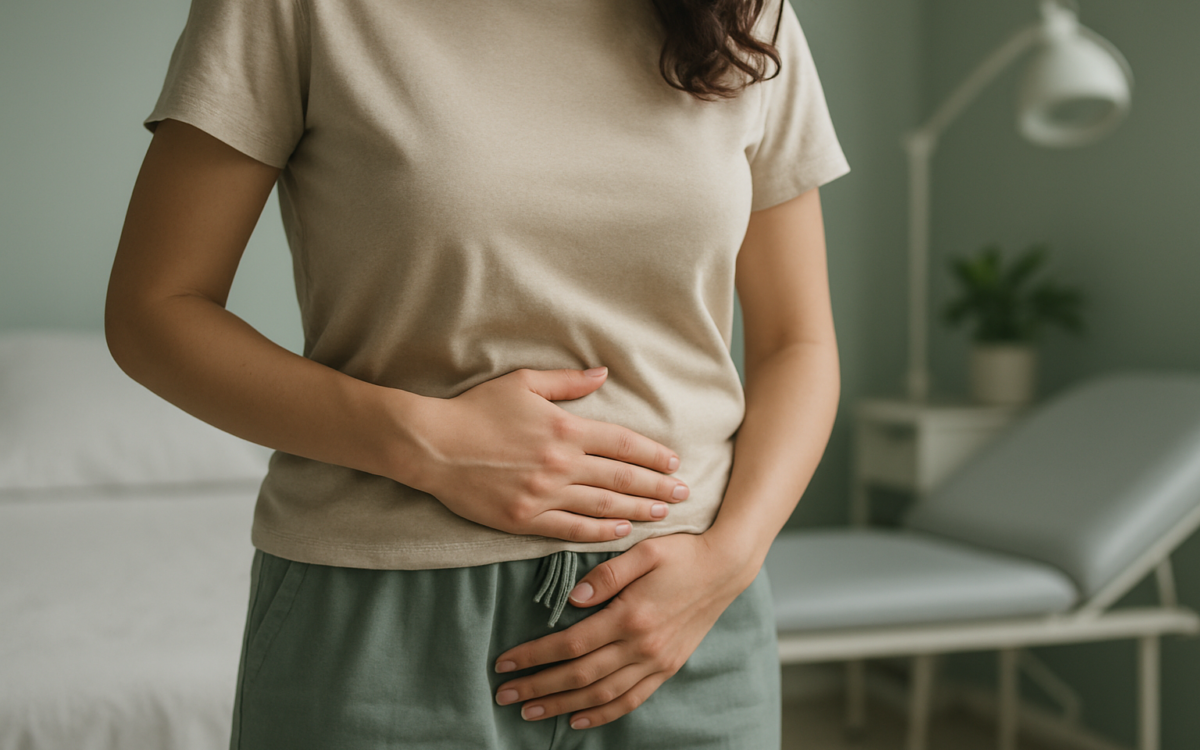
Polycystic ovary syndrome (PCOS) is a common health issue that affects many women of childbearing age. It is more than just a reproductive disorder; PCOS has a range of symptoms that can affect various aspects of a woman’s health and wellness. Understanding these symptoms is crucial for early diagnosis and effective management, so you can get the support you need.
What is PCOS?
PCOS is a hormonal disorder characterized by a combination of symptoms related to irregular menstrual cycles, excessive androgen levels, and polycystic ovaries. As a result, women with PCOS may experience a range of symptoms that can impact their overall health.
Common Symptoms of PCOS
- Irregular Menstrual Cycles: One of the most noticeable symptoms of PCOS is irregular periods. Women may have infrequent, missed, or prolonged menstrual cycles due to hormonal imbalances.
- Excess Androgen Levels: Elevated levels of androgens, which are often referred to as male hormones, can lead to physical changes such as increased body hair (hirsutism), acne, and thinning hair on the scalp.
- Weight Gain: Many women with PCOS struggle with weight gain or obesity. This can exacerbate other symptoms and increase the risk of related health issues like diabetes.
- Polycystic Ovaries: On ultrasound, ovaries may appear enlarged and contain multiple small cysts, although not all women with PCOS will have visible cysts.
- Infertility: Due to hormonal imbalances and irregular ovulation, women with PCOS may have difficulty conceiving and face challenges with fertility.
- Skin Changes: PCOS can manifest through skin issues such as dark patches, especially on the neck or in skin folds, and skin tags.
Emotional and Psychological Impact
The symptoms of PCOS go beyond physical changes; they can also affect mental health. Many women experience anxiety, depression, or emotional distress related to their symptoms, especially regarding body image and fertility. Coping with these emotions is an important aspect of managing PCOS effectively. Seeking emotional support from friends, family, or mental health professionals can be beneficial.
Diagnosing PCOS
Diagnosing PCOS typically involves a combination of medical history, physical examinations, and lab tests. A doctor may conduct blood tests to check hormone levels and perform an ultrasound to examine the ovaries. According to the National Institutes of Health, PCOS is diagnosed based on the presence of two of the following criteria: irregular periods, elevated androgen levels, and polycystic ovaries.
Exploring Treatment Options
While there is no cure for PCOS, a variety of treatment options can help manage symptoms. Lifestyle changes, such as maintaining a healthy diet and regular exercise, can significantly improve symptoms and overall health. In some cases, doctors may recommend medications like hormonal birth control to regulate menstrual cycles or anti-androgen medications to address hair growth and acne.
For those considering international options for treatment, treatment in Turkey has gained attention due to its advanced medical facilities and skilled professionals. Many women explore fertility treatments abroad, ensuring that they have access to the best possible care.
Managing PCOS Symptoms
In addition to medical treatment, there are several lifestyle changes and self-care strategies that may help manage symptoms of PCOS:
- Healthy Eating: A balanced diet rich in whole grains, fruits, vegetables, and lean proteins can help maintain healthy weight and regulate insulin levels.
- Regular Exercise: Engaging in regular physical activity can help reduce weight, improve insulin sensitivity, and reduce stress.
- Monitoring Mental Health: Practicing mindfulness and stress management techniques can improve emotional well-being. Talking to a counselor or therapist can also provide support.
When to See a Doctor
If you suspect you may have PCOS or if you experience any of the common symptoms listed above, it’s essential to consult with a healthcare provider. Early diagnosis and management can prevent complications such as diabetes, heart disease, and other associated health issues.
Conclusion
Understanding the symptoms of PCOS is the first step towards managing this complex condition. If you relate to any of the symptoms discussed, don’t hesitate to reach out to a healthcare professional. With the right support and treatment, many women successfully navigate the challenges posed by PCOS and lead healthy, fulfilling lives.
