
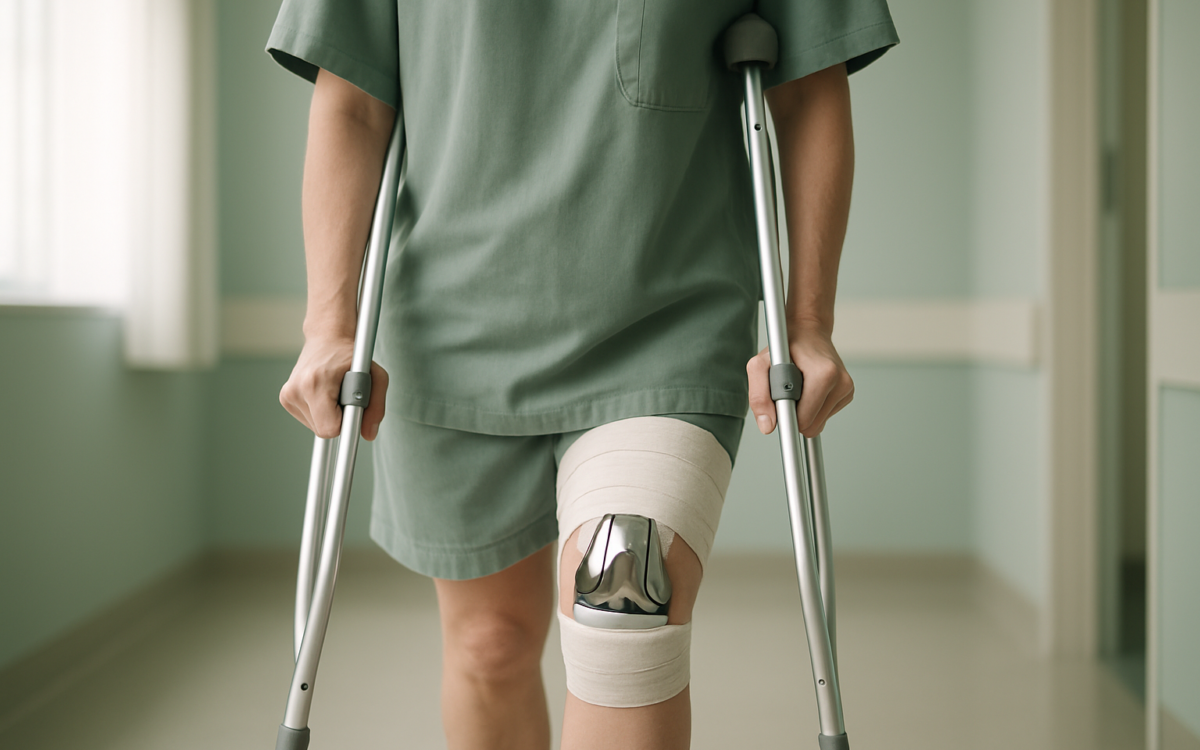
Knee replacement surgery can be life-changing, especially for those suffering from severe joint pain or dysfunction. Understanding the recovery timeline and what to expect can make this process less daunting. Here’s a helpful guide to navigating your recovery after knee surgery.
Immediate Post-Surgery Care
After your knee replacement surgery, you will spend time in the recovery room where medical staff will monitor your vital signs and pain levels. This period usually lasts a few hours. You may be given medication to manage pain and prevent any complications.
Once you are stable, you may be moved to a hospital room. It’s common to stay in the hospital for 1 to 3 days, depending on your overall health and how well your body is adjusting post-surgery.
Week 1: Initial Recovery
The first week is all about managing pain, reducing swelling, and beginning movement. You’ll likely be encouraged to start moving your knee gently with the help of physical therapists. Here’s what to expect:
- Physical therapy: You’ll begin light exercises to restore movement and flexibility.
- Assistive devices: Crutches or a walker may be necessary as you learn to walk again.
- Managing pain: Continue to take prescribed medications to control pain and inflammation.
Most patients can expect to start putting a little weight on their knee around this time, but follow your doctor’s guidance closely.
Weeks 2 to 6: Building Strength and Mobility
During the second to sixth weeks, you will focus on regaining strength and improving your range of motion. You might still need support for walking but will likely see progress.
- Increased activities: Your physical therapist will design a more structured approach to your exercises.
- Avoiding certain movements: It’s important to avoid high-impact activities or deep knee bending, which can stress the joint.
- Home care: Most patients can return home, but you may still need assistance for daily activities.
During this stage, many people experience frustrated moments as mobility returns at varying rates. Patience is crucial.
Months 2 to 6: Continued Healing and Activity Resumption
By the second month, many patients notice significant improvements in pain and function. Here, you will continue to work to strengthen your knee and overall mobility:
- Longer physical therapy sessions: Expect to attend more frequent physical therapy sessions, focusing on flexibility and strength.
- Returning to daily activities: Most people can gradually resume normal activities, including driving and returning to work, depending on their job.
- Increased independence: You will likely rely less on assistive devices and can walk without them more comfortably.
While some discomfort is normal throughout recovery, persistent or worsening pain should be reported to your healthcare provider for further evaluation.
Months 6 to 12: Towards Full Recovery
Your knee will continue to improve, but full recovery typically occurs over the year following surgery. Patients can usually resume most activities by six months, while full healing can take up to 12 months. Here’s a brief overview:
- Increased activity level: Many patients return to low-impact sports and leisure activities.
- Long-term improvements: Expect gradual increases in strength and endurance.
- Monitoring progress: Regular check-ups with your doctor to assess recovery are important.
During this period, many patients remark on the immense improvement in their quality of life, experiencing reduced pain and increased mobility.
Tips for a Successful Recovery
Recovery can be a challenging journey, but incorporating these tips can help make the process smoother:
- Follow your rehabilitation plan: Stick to the exercises prescribed by your therapist.
- Stay hydrated and eat well: Proper nutrition supports healing.
- Listen to your body: Rest when needed, and don’t push through unmanageable pain.
- Stay engaged: Keeping a positive mindset and engaging with family and friends can uplift your spirit during recovery.
For more detailed recovery tips, consider resources like the Mayo Clinic or the National Heart, Lung, and Blood Institute.
When to See a Doctor
If you experience the following symptoms during your recovery, it’s essential to consult your doctor promptly:
- Increased pain that doesn’t improve with medication
- Swelling or redness around the knee that worsens
- Fever over 100.4°F (38°C)
- New or worsening difficulty moving your knee
Conclusion
Knee replacement surgery can open the door to a more active and pain-free life. By understanding the recovery timeline and being proactive in your rehabilitation, you can help ensure a smoother recovery journey. As you heal, remember that every patient is different. Always consult your healthcare provider if you have concerns or questions about your recovery.
