
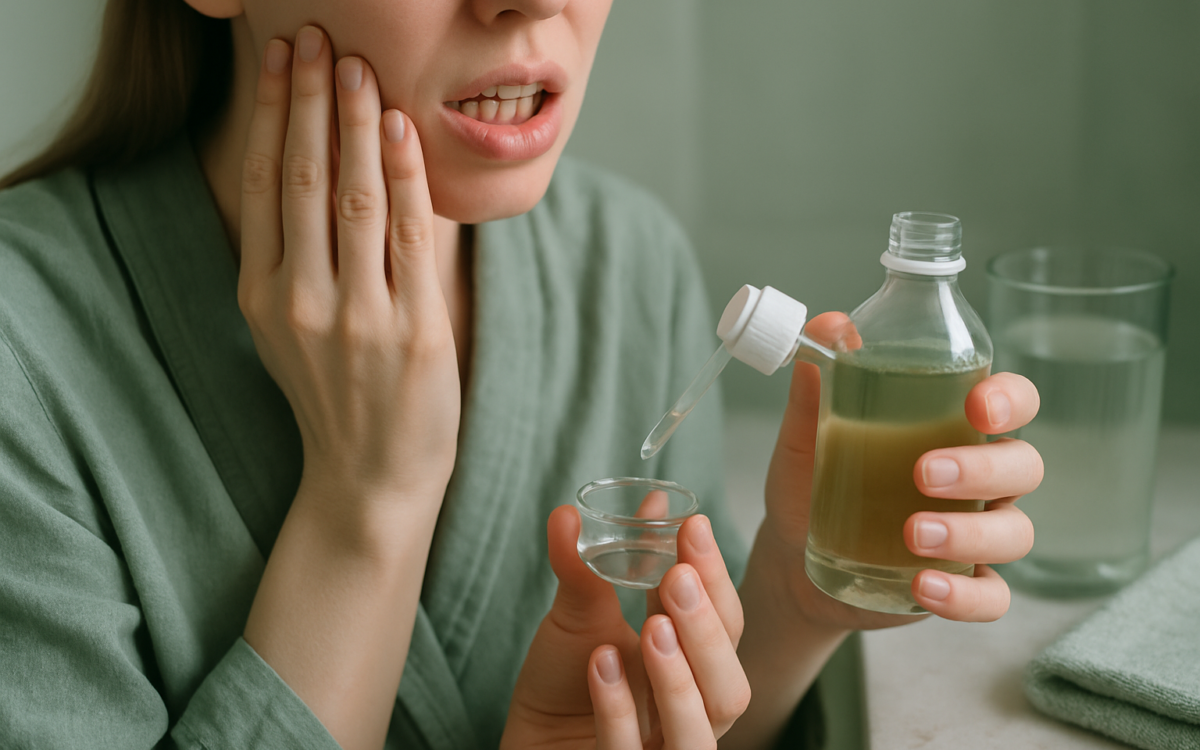
Swollen gums can be uncomfortable and concerning. Whether it’s caused by gum disease, irritation, or other factors, knowing how to address swollen gums at home can provide relief and support your oral health. Here, we’ll explore various treatments, lifestyle changes, and remedies you can use to help manage this common issue.
Understanding Swollen Gums
Swollen gums, or gingival inflammation, often indicate underlying issues, such as plaque buildup, gum disease, or even vitamin deficiencies. In many cases, a lack of good oral hygiene practices can lead to the initial irritation. When you ignore these warning signs, the inflammation can become worse. According to the National Institutes of Health, proper oral hygiene plays a crucial role in preventing gum disease.
Effective Home Remedies
There are several home remedies you can try to alleviate swollen gums. These remedies can be both soothing and beneficial for your overall dental health:
1. Warm Saltwater Rinse
A simple yet effective treatment for swollen gums is rinsing your mouth with warm saltwater. Mixing one teaspoon of salt in a glass of warm water and swishing it around your mouth can reduce inflammation and help kill bacteria. This can be done two to three times a day.
2. Baking Soda Paste
Baking soda is a gentle abrasive that helps remove plaque. Mixing baking soda with a bit of water to create a paste can be applied gently to the swollen areas. Leave it on for a few minutes before rinsing. Using it once or twice a week can help maintain gum health.
3. Herbal Remedies
Some herbs, like chamomile and aloe vera, are known for their anti-inflammatory properties. Chamomile tea can be sipped or used as a mouthwash after cooling. Aloe vera gel may also be applied directly to the swollen gums to soothe irritation.
4. Essential Oils
Essential oils like tea tree oil have antibacterial properties that can benefit swollen gums. Diluting a few drops in a carrier oil and gently applying it to the gums may help. Always consult with a healthcare professional before using essential oils to ensure they are safe for you.
Maintaining Good Oral Hygiene
Preventing swollen gums often comes down to maintaining a consistent oral hygiene routine. Here are some tips:
- Brush Twice Daily: Use a soft-bristled toothbrush and fluoride toothpaste to brush your teeth at least twice a day.
- Floss Daily: Flossing helps remove food particles and plaque from between your teeth where brushes can’t reach.
- Use an Antiseptic Mouthwash: An alcohol-free mouthwash can help reduce plaque and bacteria, contributing to healthier gums.
- Stay Hydrated: Drinking water helps wash away food particles and bacteria, reducing your risk of swollen gums.
Dietary Considerations
Your diet can have a significant impact on your gum health. Here are some dietary tips to consider:
- Increase Vitamin C: Foods rich in vitamin C, like oranges, strawberries, and bell peppers, play a role in gum health. Vitamin C helps repair tissues and can reduce inflammation.
- Limit Sugary Foods: Too much sugar contributes to plaque formation and gum inflammation. Reduce candy, sodas, and overly processed foods.
- Omega-3 Fatty Acids: Incorporating foods rich in omega-3s, such as salmon and flaxseeds, may help reduce inflammation in the body, including the gums.
When to See a Doctor
Despite trying home treatments, if your swollen gums persist for more than a week, or if you experience significant pain, bleeding, or other concerning symptoms, it’s essential to consult a dentist or healthcare professional. They can identify any underlying issues, such as gum disease or infections, that may require more specific treatment. You can read more about when to seek dental care at the Mayo Clinic.
Conclusion
Swollen gums can signal various issues that warrant your attention, but thankfully, there are many effective home treatments you can try. From rinsing with saltwater to maintaining a nutritious diet, taking steps at home can boost your oral health and comfort. However, remember that regular dental checkups are equally crucial for preventing and treating gum disease. By combining at-home care with professional advice, you can keep your gums healthy and happy.
