
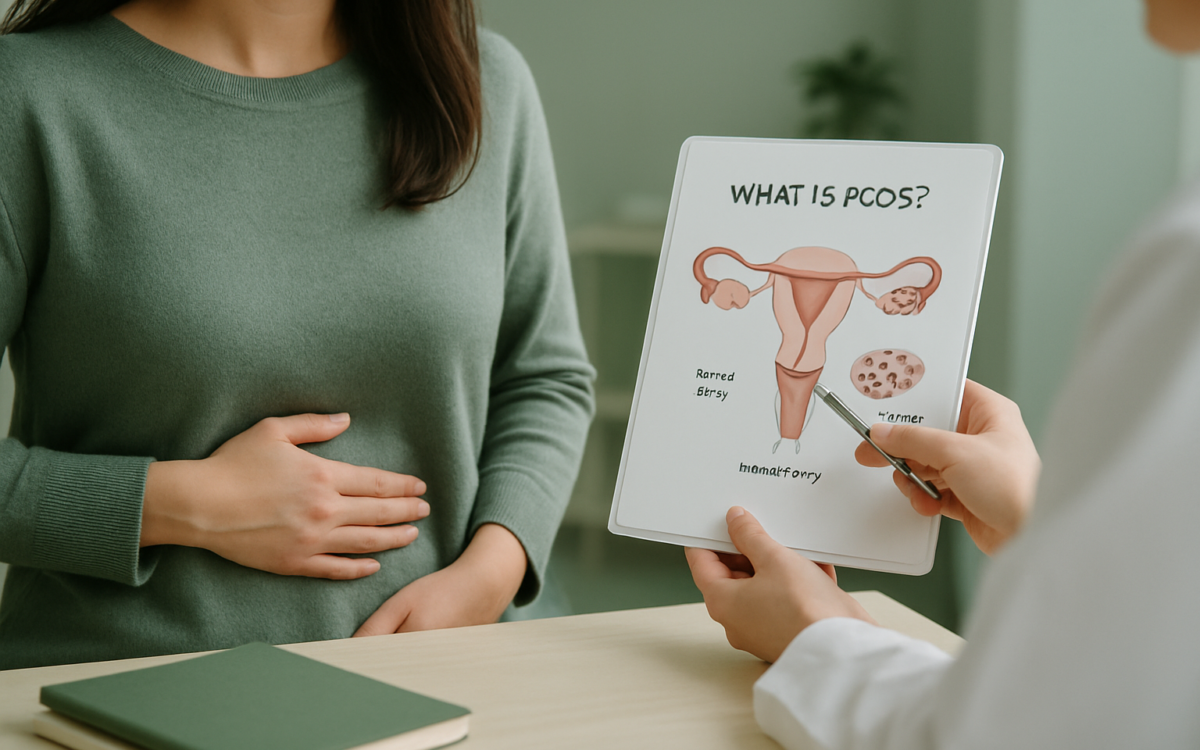
Polycystic ovary syndrome (PCOS) is a hormonal disorder that affects millions of women worldwide. Often involving missed periods, excessive hair growth, and weight gain, it can significantly impact various aspects of health. Understanding PCOS is crucial for women to manage the condition effectively and maintain overall well-being.
What is PCOS?
PCOS is a medical condition marked by an imbalance of hormones, typically involving elevated levels of androgens (male hormones) and irregularities in ovulation. This hormonal imbalance can affect a woman’s reproductive system and metabolism, leading to a variety of symptoms that can vary from person to person.
The Symptoms of PCOS
The symptoms of PCOS can differ, but some of the most common include:
- Irregular or absent menstrual periods
- Excessive hair growth (hirsutism) on the face and body
- Acne and oily skin
- Weight gain or difficulties with weight management
- Thinning hair on the scalp
- Skin tags or dark patches on the skin
These symptoms might start appearing in teenage years or early adulthood. Many women with PCOS also face fertility challenges due to irregular ovulation.
Understanding the Causes of PCOS
The exact cause of PCOS is not fully understood, but several factors may contribute to the development of this condition. Researchers suggest that the following might play a role:
- Genetics: PCOS tends to run in families, indicating a possible genetic link.
- Insulin Resistance: Many women with PCOS exhibit insulin resistance, which means their bodies do not use insulin effectively. This can lead to elevated insulin levels, which may increase androgen production.
- Low-grade Inflammation: Studies have shown that women with PCOS often experience chronic low-grade inflammation, which can lead to increased androgen levels.
While these factors contribute to PCOS, the interaction among them is complex, and further research is needed to understand their roles fully.
Diagnosing PCOS
Diagnosing PCOS typically requires a combination of a medical history review, physical examination, and possibly some laboratory tests. Health care providers may check for:
- Irregularities in menstrual cycles
- Signs of excess androgen levels, such as hair growth or acne
- Physical characteristics like weight and body mass index (BMI)
- Ultrasounds to detect cysts on the ovaries
There is no single test that confirms PCOS; a diagnosis often depends on meeting specific criteria known as the Rotterdam criteria. For a comprehensive understanding, it’s vital for women to discuss their symptoms with a healthcare provider.
Managing PCOS
There is currently no cure for PCOS, but many treatment options can help manage symptoms. Some common approaches include:
- Lifestyle Changes: Maintaining a healthy weight through diet and exercise can help manage symptoms and improve insulin sensitivity.
- Medications: Depending on symptoms, healthcare providers may prescribe hormone therapy (e.g., birth control pills) to regulate menstrual cycles and reduce hirsutism.
- Fertility Treatments: For women trying to conceive, treatments may include medications to stimulate ovulation.
Regular follow-ups with healthcare providers are essential for monitoring PCOS and adapting treatment plans as necessary.
Potential Complications of PCOS
Women with PCOS are at an increased risk for several health conditions, including:
- Infertility: Irregular ovulation can lead to difficulties in conceiving.
- Type 2 Diabetes: Insulin resistance associated with PCOS increases the risk of developing diabetes.
- Heart Disease: Women with PCOS have a higher likelihood of heart problems, including high blood pressure and unhealthy cholesterol levels.
- Endometrial Cancer: Prolonged absence of menstruation can lead to a higher risk of endometrial lining problems.
Being aware of these potential complications allows women and their healthcare providers to take proactive measures in managing overall health.
When to See a Doctor
If you experience symptoms associated with PCOS, such as irregular periods, excessive hair growth, or acne, it’s essential to consult a healthcare provider. Early diagnosis and management can be beneficial in reducing symptoms and preventing complications. Don’t hesitate to seek help; your health and well-being matter.
In conclusion, understanding PCOS is a vital step towards effectively managing the condition. By becoming informed about its symptoms, causes, and treatment options, women can take control of their health and work towards improving their quality of life.
