
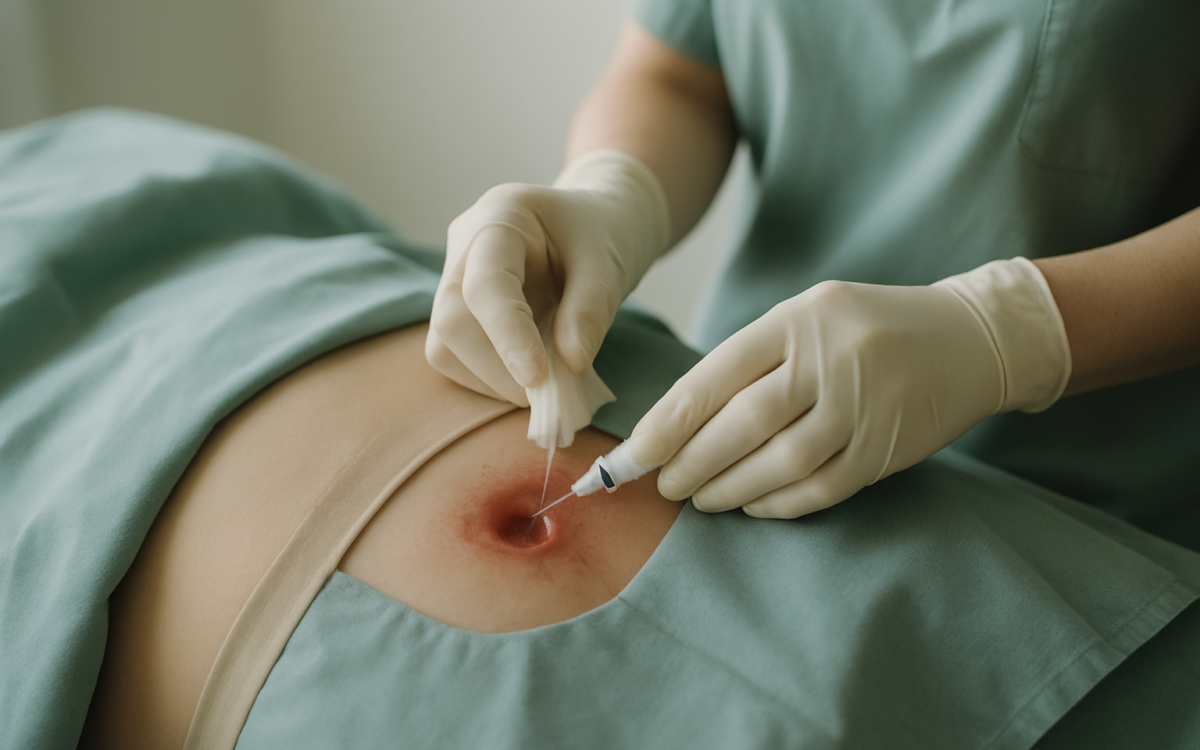
Pilonidal cysts can be a painful and persistent condition for those who experience them. These small pockets filled with hair, debris, and sometimes infected fluid typically form near the tailbone. When they become inflamed or infected, the symptoms can force individuals to seek medical treatment. Understanding the available medical interventions can help manage this condition effectively and improve quality of life.
What is a pilonidal cyst?
A pilonidal cyst is a type of cyst that usually appears at the top of the cleft of the buttocks. While they can arise in anyone, they are more common in young adults and men. The cyst can become infected, leading to painful swelling and a possible drainage of pus or blood.
Early-stage pilonidal cysts often do not exhibit any symptoms, but as they worsen, they can trigger discomfort, redness, and at times, fever. It’s important to recognize these symptoms as they may indicate the need for medical treatment.
Symptoms of pilonidal cysts
- Pain or tenderness near the tailbone
- Redness and swelling in the affected area
- Drainage of pus or blood
- Foul smell from the cyst
- Fever (in case of infection)
If you experience any of these symptoms, it is wise to consult a healthcare professional for further evaluation and potential treatment options.
Initial medical treatment options
When a pilonidal cyst is diagnosed, the first step is typically a conservative approach. Here are some common initial treatments that healthcare providers may recommend:
1. Antibiotics
If the cyst is infected, your doctor may prescribe antibiotics to combat the infection. It’s essential to complete the entire course, even if symptoms improve before finishing the medication.
2. Warm compresses
Applying warm compresses to the affected area several times a day can help alleviate pain and promote drainage of the cyst. This method is usually recommended alongside other treatments.
3. Pain relievers
Over-the-counter pain relievers, such as ibuprofen or acetaminophen, can help manage the discomfort associated with a pilonidal cyst.
For many individuals, these initial treatments can lead to significant improvement. However, if the cyst continues to recur or does not respond to conservative management, further medical interventions may be necessary.
Drainage procedures
For chronic or painful pilonidal cysts, doctors may suggest drainage procedures. These interventions aim to relieve symptoms and help prevent future infections. Here are two common methods:
1. Incision and drainage
This procedure involves making a small incision in the cyst to allow the trapped fluid to escape. By draining the cyst, symptoms can be relieved, and the risk of infection can be reduced. However, this procedure often does not prevent the cyst from returning, so additional treatments may be needed.
2. Excision
Surgery may be warranted for recurrent pilonidal cysts. During excision, the entire cyst and any surrounding tissue are removed. This approach significantly reduces the chances of recurrence. Although excision can be effective, it generally requires a longer recovery period than simple drainage.
Surgical treatment benefits
Surgical options are often more successful for those who have experienced multiple infections or recurring pilonidal cysts. While many individuals fear surgery, the benefits frequently outweigh the risks:
- Less chance of recurrence
- Improvement in quality of life
- Rapid resolution of symptoms
Despite the advantages, it’s crucial to discuss the risks and benefits of surgery with your healthcare provider to make an informed decision.
International treatment perspective
For those seeking alternative treatment options, especially if local resources are limited or if you’re looking for a different approach, treatment in Turkey has emerged as a popular choice for various medical conditions, including pilonidal cysts. Turkish medical facilities are known for their advanced technology and expertise in surgical procedures, often offering significant savings compared to treatments in many Western countries. It’s advisable to consult with qualified professionals who specialize in pilonidal cyst treatment to get a tailored approach for your condition.
Preventing pilonidal cysts
While it might not always be possible to prevent pilonidal cysts, certain measures can reduce the risk:
- Maintain good hygiene in the affected area
- Avoid prolonged sitting, especially on hard surfaces
- Keep the area free of excess hair; some people opt for hair removal
- Wear loose-fitting clothing to prevent friction
By implementing these preventive strategies, individuals may be able to minimize the likelihood of developing a pilonidal cyst in the first place.
When to see a doctor
If you notice symptoms like severe pain, swelling, or have drainage that worsens, it’s essential to contact your healthcare provider. Additionally, if you have a pilonidal cyst that seems to be recurrent, age, or other medical conditions, a consult can lead to effective long-term management strategies.
Conclusion
Pilonidal cysts can be uncomfortable and disruptive, but effective treatments are available. From conservative approaches to surgical interventions, understanding your options is key to managing this condition. Always seek advice from healthcare professionals to tailor any plan to your specific needs and circumstances.
