
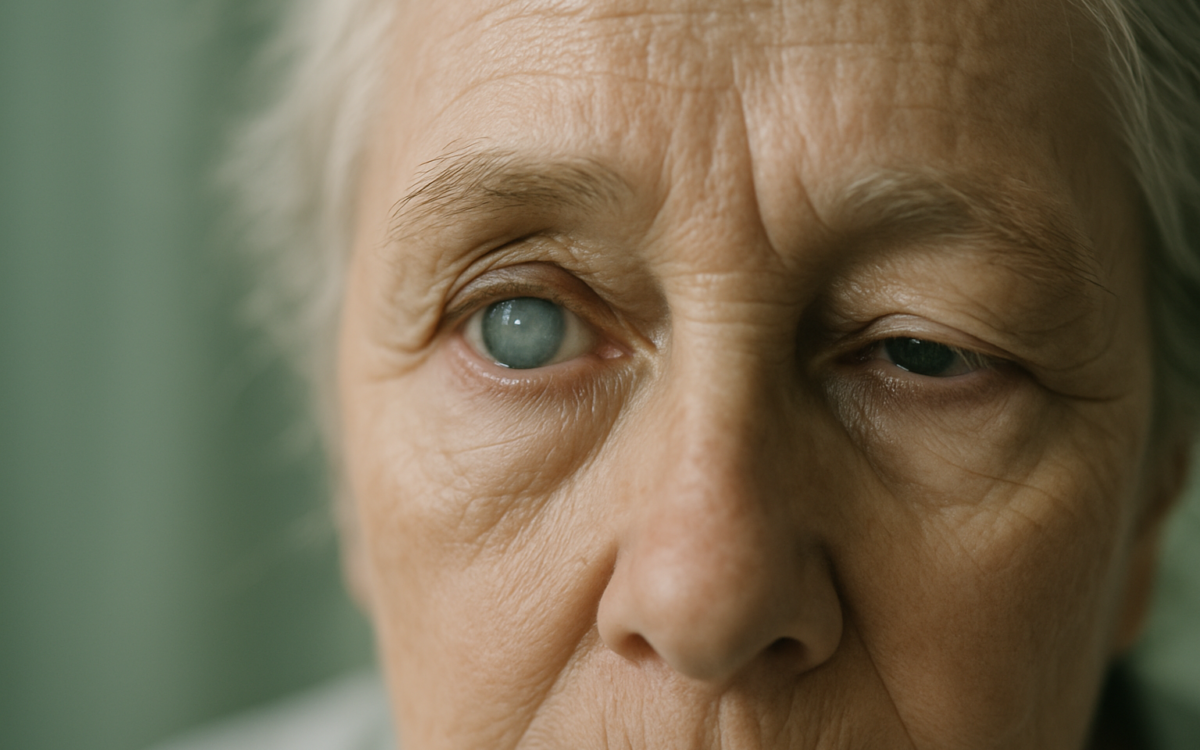
Cataracts are a common eye condition that can cloud your vision, making it difficult to see clearly. This gradual process can affect people of all ages but is most prevalent among older adults. While cataract eye disease can feel overwhelming, understanding its causes and risk factors can empower you to take charge of your eye health. In this article, we’ll discuss what causes cataract eye disease, how it develops, and ways to reduce your risk.
What Are Cataracts?
Cataracts occur when the lens of the eye becomes cloudy, preventing light from passing through clearly. This can lead to blurred vision, increased sensitivity to glare, and difficulty seeing at night. According to the Mayo Clinic, cataracts are a leading cause of vision loss worldwide.
Natural Aging Process
One of the most significant contributors to cataract formation is the natural aging process. As we grow older, the proteins in the lens of our eye can break down and clump together. This clumping creates clouds that affect our vision. The majority of people over the age of 60 will experience some degree of cataracts, as this condition is often associated with aging.
Genetics and Family History
Your genetic makeup can also play a role in your likelihood of developing cataracts. If you have a family history of cataracts, you may be at higher risk. Research has shown that certain genes can influence the clarity of the lens and predispose individuals to cataracts. Understanding your family’s eye health history can help you prepare and monitor your vision more effectively.
Environmental Factors
Several environmental factors can contribute to the development of cataracts:
- Ultraviolet (UV) Light Exposure: Extended exposure to UV rays from sunlight can increase the risk of cataracts. It’s essential to wear sunglasses that block UV radiation and hats to protect your eyes when outdoors.
- Smoking: Smoking has been linked to a higher risk of cataracts. Chemicals in cigarettes can damage the lens and accelerate clouding.
- Alcohol Use: Excessive alcohol consumption has been associated with an increased risk of cataracts. Moderation is key when it comes to alcohol.
Health Conditions That Increase Risk
Certain health issues can also increase your risk of developing cataracts:
- Diabetes: People with diabetes are at a higher risk for cataracts. High blood sugar can lead to changes in the lens of the eye, contributing to clouding.
- Obesity: Obesity can raise the risk of cataracts due to associated health issues like diabetes and metabolic syndrome.
- Hypertension: High blood pressure has been linked to various eye conditions, including cataracts.
Other Contributing Factors
In addition to age and health conditions, other factors may contribute to the development of cataracts:
- Long-term Use of Corticosteroids: Using corticosteroids for extended periods can lead to cataract formation. If you are on such medication, discuss the risks with your doctor.
- Previous Eye Injuries or Surgeries: Traumatic injuries to the eye can increase the risk of cataracts later in life. Additionally, surgical procedures on the eye can affect the lens and lead to clouding.
Staying Informed and Preventing Cataracts
While you cannot entirely prevent cataracts, there are steps you can take to reduce your risk:
- Regular eye examinations: Keep up with routine eye check-ups to monitor your eye health.
- Wear UV-protective sunglasses: Protect your eyes from harmful UV rays when outdoors.
- Avoid smoking: If you smoke, seek help to quit.
- Maintain a healthy diet: Eat a balanced diet rich in fruits and vegetables to support eye health.
When to See a Doctor
If you notice changes in your vision, such as blurriness, halos around lights, or difficulty seeing at night, consult an eye care professional. Regular screenings can help detect cataracts early, allowing for timely intervention.
Conclusion
Cataract eye disease is a common condition, especially among older adults, but understanding its causes can help you take proactive steps for your eye health. By being aware of risk factors and leading a healthy lifestyle, you can significantly influence your chances of developing cataracts. Remember to schedule regular eye exams and consult your doctor if you experience any changes in your vision.
