
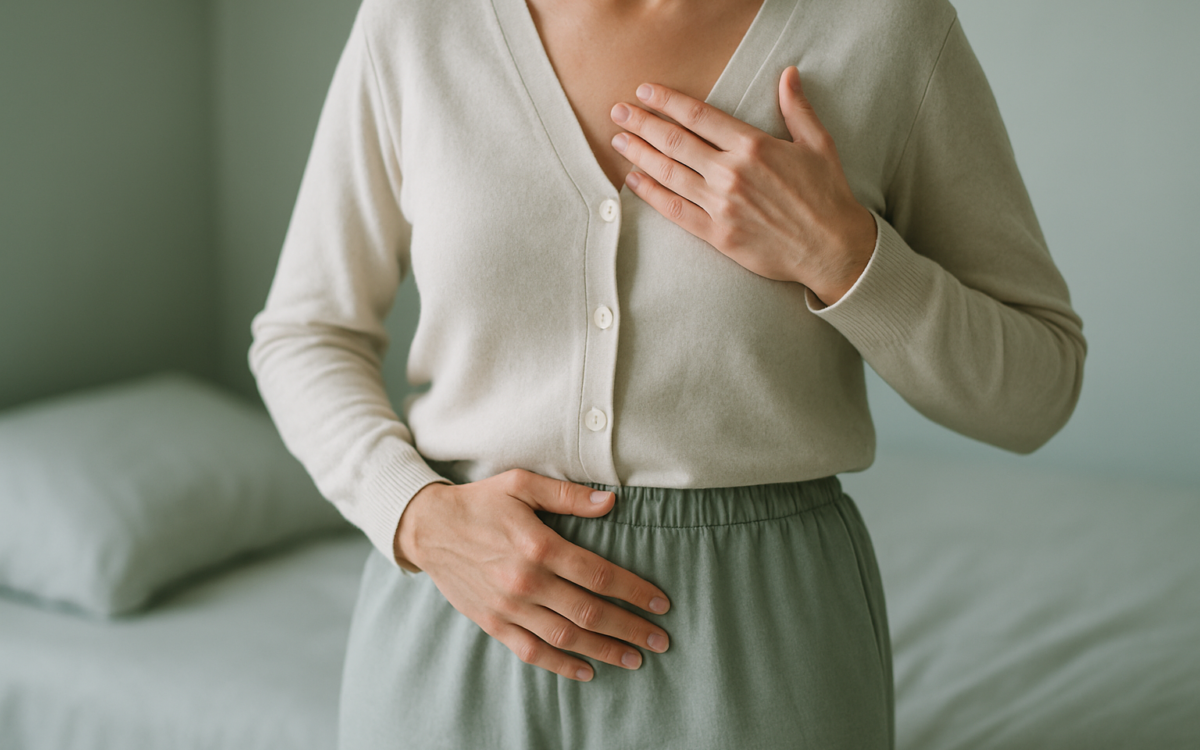
As women approach the age of menopause, many experience physical and emotional changes known as pre-menopausal symptoms. This transition can be confusing, as the body undergoes significant hormonal shifts that impact daily life. Understanding these symptoms can empower women to manage them effectively.
What Are Pre-Menopausal Symptoms?
Pre-menopausal symptoms are the changes that occur leading up to menopause, which typically happens in a woman’s late 40s to early 50s. These symptoms often stem from decreasing levels of estrogen and progesterone, two key hormones that regulate the menstrual cycle and overall reproductive health.
Common Symptoms to Watch For
Different women experience a variety of symptoms during this transitional phase, but some common pre-menopausal symptoms include:
- Hot Flashes: Sudden feelings of warmth, often accompanied by sweating and flushed skin.
- Irregular Periods: Changes in the menstrual cycle, including skipped periods or varying flow.
- Mood Swings: Increased irritability, anxiety, or depression due to hormonal fluctuations.
- Sleep Disturbances: Trouble falling asleep or staying asleep, leading to fatigue.
- Vaginal Dryness: Reduced lubrication that can make intercourse uncomfortable.
- Weight Gain: Changes in metabolism that may lead to adding extra pounds, particularly around the abdomen.
Understanding Hormonal Changes
The hormonal changes experienced during the pre-menopausal period can vary widely from woman to woman. While some may barely notice these changes, others may find them disruptive. Estrogen and progesterone levels decline unpredictably, which can lead to the symptoms mentioned. For reliable information about these hormonal changes, the National Institutes of Health (NIH) provides extensive resources on women’s health.
Managing Pre-Menopausal Symptoms
While some symptoms are challenging, there are various strategies to help manage them:
- Maintain a Healthy Lifestyle: Regular exercise, a balanced diet, and stress management techniques can help regulate mood and energy levels.
- Stay Cool: Dress in layers and keep a fan by your bed to manage hot flashes during the night.
- Mindfulness and Relaxation: Techniques such as yoga, meditation, or deep-breathing exercises may help alleviate anxiety and improve overall mood.
- Consult a Healthcare Provider: Discussing symptoms with a healthcare professional can lead to tailored treatment options, which may include hormone therapy or alternative treatments.
Emotional Well-Being During Transition
The emotional effects of pre-menopausal symptoms, such as mood swings or increased anxiety, can be significant. Many women report feeling less like themselves during this time. It’s essential to talk about these feelings, whether with friends, family, or a counselor. Support groups, either in-person or online, can also provide a valuable space to share experiences and coping strategies.
Resources and Support
It’s vital to stay informed and seek support during this transition. Websites like the World Health Organization (WHO) offer excellent resources for understanding reproductive health and menopause. Engaging with community resources, such as local women’s health clinics, can provide additional support and information specific to individual needs.
When to See a Doctor
If you find that pre-menopausal symptoms significantly disrupt your daily life, or if you experience severe symptoms such as prolonged depression or excessive bleeding, it’s essential to consult a healthcare professional. A doctor can evaluate your symptoms and discuss potential treatments that may help alleviate discomfort.
In conclusion, understanding pre-menopausal symptoms is an integral part of navigating this life transition. By recognizing the signs and implementing strategies for management, women can foster greater health and well-being. Remember, consulting with healthcare providers is crucial to ensure the best support and plan for each individual’s journey.
