
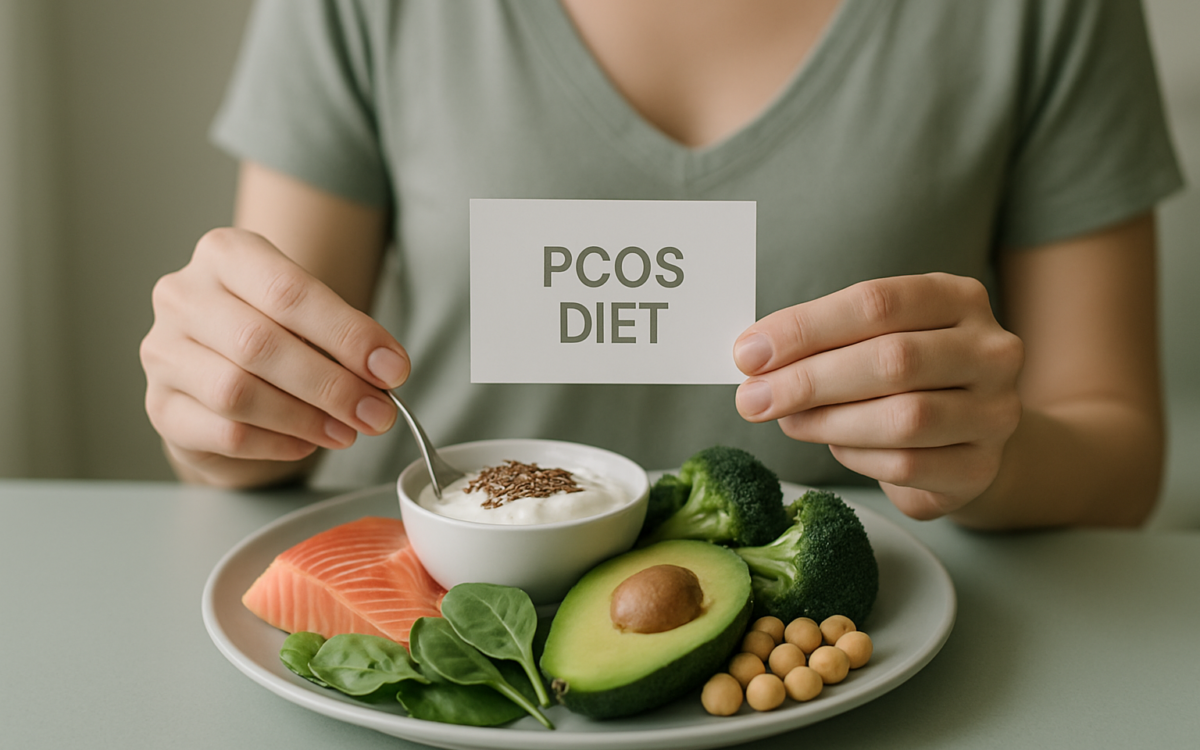
Polycystic ovary syndrome (PCOS) is a condition that affects many women, often leading to symptoms like irregular periods, weight gain, and hormonal imbalances. Understanding how to manage these symptoms through dietary choices can play a significant role in improving health and quality of life. In this article, we’ll explore the best dietary strategies for women with PCOS.
What Is PCOS?
PCOS is a hormonal disorder that causes a variety of symptoms, including cysts on the ovaries, excessive hair growth, and acne. It can also increase the risk of heart disease and diabetes due to related insulin resistance. According to the National Institutes of Health, it is one of the most common hormonal disorders in women of reproductive age.
Understanding Insulin Resistance
Many women with PCOS experience insulin resistance, meaning the body doesn’t use insulin effectively, leading to higher blood sugar levels. This can contribute to weight gain and difficulty losing weight. A diet focused on managing blood sugar levels can be particularly beneficial.
Key Components of a PCOS-Friendly Diet
When planning a diet to help manage PCOS, consider these important components:
- Complex Carbohydrates: Opt for whole grains, legumes, fruits, and vegetables. These foods are digested slowly, preventing spikes in blood sugar.
- Healthy Fats: Incorporate sources of omega-3 fatty acids, such as fish, flaxseeds, and walnuts. These can help reduce inflammation.
- Protein: Select lean proteins like chicken, turkey, tofu, and legumes to maintain satiety and support muscle health.
- Dairy Alternatives: Some women find that reducing dairy can help reduce symptoms. Consider plant-based alternatives low in sugar.
- Fruits and Vegetables: Aim for a colorful variety to ensure you’re getting all necessary nutrients. Berries, leafy greens, and cruciferous vegetables are particularly beneficial.
Foods to Limit or Avoid
While focusing on beneficial foods, it’s equally important to identify which foods might exacerbate PCOS symptoms:
- Sugary Foods: Limit sodas, pastries, and candies that can lead to rapid blood sugar spikes.
- Processed Foods: Reducing intake of highly processed snacks and fast food can help minimize inflammation.
- Refined Carbohydrates: Foods like white bread and pastries should be substituted with whole grain alternatives.
The Role of Meal Timing
How and when you eat can also impact how your body manages insulin. Consider these tips for meal timing:
- Frequent Smaller Meals: Aim for five to six small meals or snacks throughout the day to maintain stable blood sugar levels.
- Balanced Meals: Each meal should contain a balance of carbohydrates, proteins, and fats to optimize nutrition and blood sugar control.
Adding Physical Activity
In addition to dietary changes, regular physical activity can help manage weight and improve insulin sensitivity. Engage in at least 150 minutes of moderate aerobic activity each week, along with strength training two days weekly. Activities may include walking, biking, swimming, or yoga.
When to See a Doctor
If you experience symptoms of PCOS, such as irregular periods, weight gain, or hair loss, it is important to consult a healthcare provider. They can offer guidance tailored to your individual health needs and may suggest blood tests or other evaluations.
In summary, managing PCOS through diet is a holistic approach that can benefit both physical and mental well-being. Focusing on nutrient-rich foods, managing sugar intake, and maintaining regular physical activity can make a significant difference in how you feel. As always, it’s wise to discuss any changes in your diet or lifestyle with a healthcare provider to find the best plan for you.
