
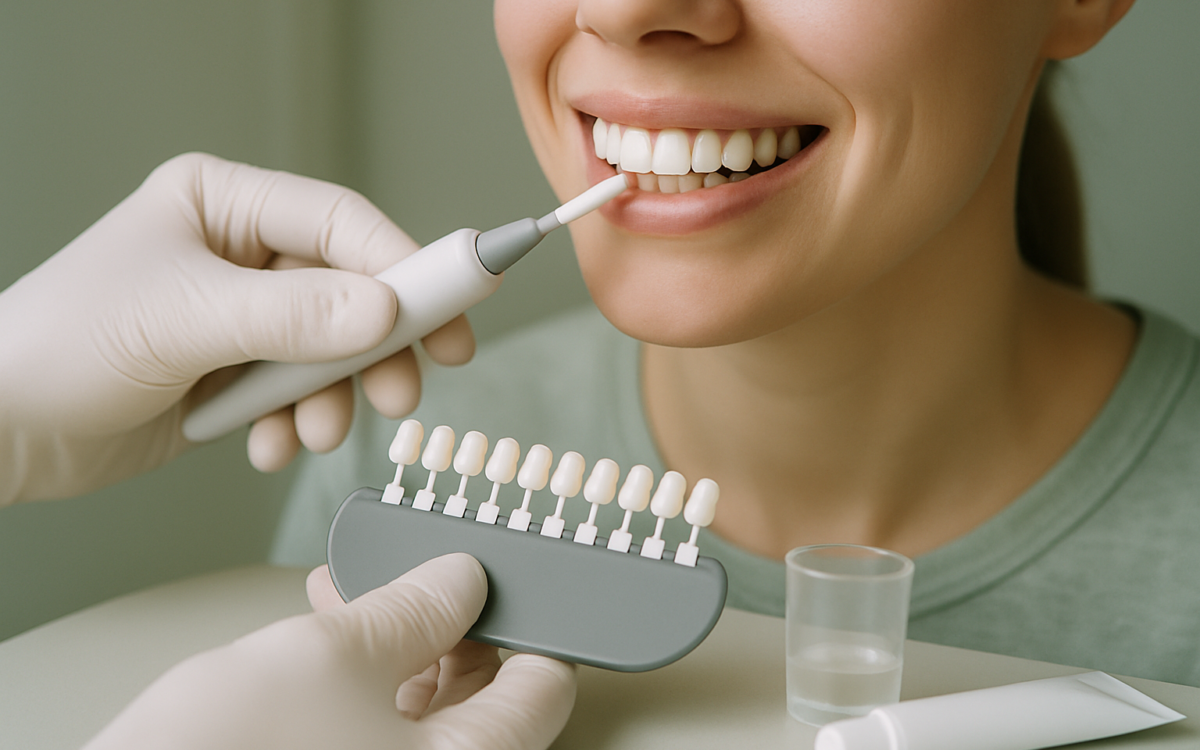
A bright smile can boost your confidence and make a great impression. However, many people struggle with the discoloration of their teeth due to various factors, such as aging, dietary choices, and oral hygiene practices. Fortunately, there are several effective ways to make your teeth whiter, ranging from home remedies to professional treatments.
Understanding Tooth Discoloration
To understand how to whiten teeth, it’s helpful to first know why they become discolored. Tooth discoloration can be broadly categorized into two types: intrinsic and extrinsic. Intrinsic discoloration occurs within the tooth, often due to factors like aging, genetics, or excessive fluoride exposure during childhood. Extrinsic discoloration is caused by stains on the surface of the teeth, commonly from foods, drinks, smoking, or poor dental hygiene.
Home Remedies for Teeth Whitening
If you’re looking for a cost-effective way to whiten your teeth, there are several natural remedies you can try at home. Here are some popular methods:
- Baking Soda: This common kitchen ingredient is known for its mild abrasive properties, which can help scrub away surface stains. Mix baking soda with water to form a paste and brush your teeth with it a few times a week.
- Hydrogen Peroxide: A natural bleaching agent, hydrogen peroxide can help to lighten discoloration. Use it as a mouth rinse or create a paste with baking soda for enhanced whitening effects.
- Apple Cider Vinegar: While apple cider vinegar has natural antibacterial properties, it’s acidic and should be used cautiously. Dilute it with water and use it sparingly to avoid damaging enamel.
- Fruits and Vegetables: Crunchy fruits and veggies like strawberries and carrots can help remove stains naturally. Strawberries contain malic acid, which can lighten teeth, while crunchy veggies can act as natural toothbrushes.
Over-the-Counter Teeth Whitening Products
If you prefer a more structured approach, many over-the-counter teeth whitening products are available. These typically fall into two categories:
Whitening Toothpastes
Whitening toothpastes often contain mild abrasives and chemical agents that help remove surface stains. Look for products approved by the American Dental Association (ADA) to ensure safety and effectiveness.
Whitening Strips and Gels
These products are usually applied directly to the teeth for a set amount of time. They can provide quicker results than toothpaste but should be used according to the manufacturer’s instructions to avoid potential side effects like tooth sensitivity.
Professional Teeth Whitening Treatments
For those looking for dramatic results, professional treatments offered by dentists are the most effective option. Here are two main types of professional whitening treatments:
In-Office Whitening
This method involves the application of a high-concentration bleaching agent along with special lights or lasers to enhance results. Typically, one session can significantly lighten teeth in just under an hour.
Take-Home Kits
Dentists can also provide custom trays and whitening gels for at-home use. These kits are designed to deliver effective results while minimizing side effects.
If you’re considering any of these treatments, especially if you’re an international patient seeking dental care, it’s a good idea to consult with a professional to determine the best option for your individual needs.
Maintaining Your White Teeth
Once you’ve achieved a brighter smile, maintaining it is key. Here are some tips:
- Practice Good Oral Hygiene: Brush at least twice a day and floss daily to prevent plaque buildup and stains.
- Limit Staining Foods and Drinks: Be mindful of coffee, tea, red wine, and dark berries, which can stain your teeth. Rinse your mouth or brush your teeth after consuming these.
- Quit Smoking: Tobacco products contribute significantly to yellowing teeth. Quitting can improve your oral health and overall appearance.
- Regular Dental Check-ups: Visiting the dentist every six months for cleanings can help maintain your dental health and the whiteness of your smile.
When to See a Doctor
If you experience persistent discoloration despite using over-the-counter products or home remedies, it may be time to consult a dentist. They can identify any underlying issues and recommend appropriate treatments. Additionally, if you feel pain or sensitivity after whitening treatments, a professional can help address these concerns.
Whitening your teeth can give you a confidence boost and brighten your day-to-day interactions. Whether you choose natural remedies, over-the-counter products, or professional treatments, remember to prioritize safety and results by consulting with your dentist.
