
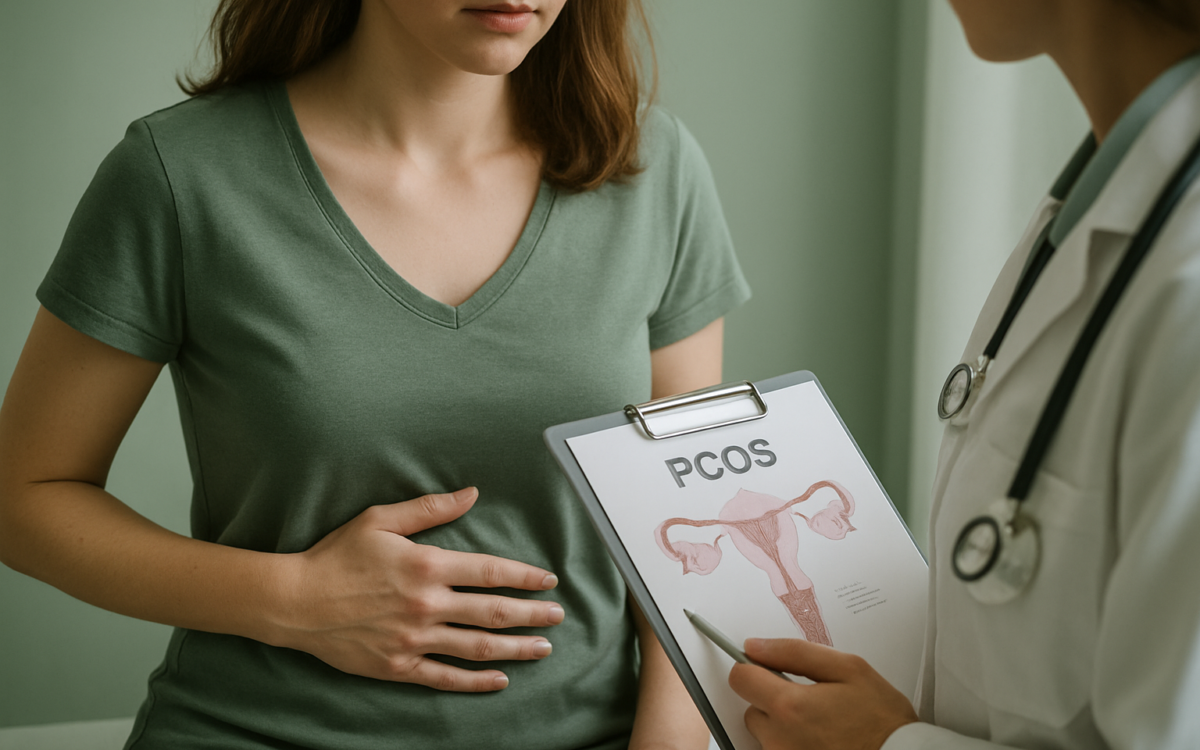
Polycystic Ovary Syndrome (PCOS) is a common hormonal disorder that affects many women, yet often goes undiagnosed for years. Understanding the signs and symptoms of PCOS can empower you to seek help and manage your health more effectively. This article will guide you through the key indicators to watch for if you think you might have PCOS.
What is PCOS?
PCOS is an endocrine disorder characterized by a variety of symptoms that can affect women of reproductive age. The exact cause of PCOS isn’t fully understood, but it is believed to be linked to hormonal imbalances, genetic factors, and insulin resistance. Women with PCOS may experience a range of symptoms, and one woman’s experience may differ significantly from another’s.
Common Symptoms of PCOS
If you suspect that you might have PCOS, it’s helpful to recognize some of the common symptoms associated with the condition:
- Irregular Menstrual Cycles: One of the hallmark signs of PCOS is irregular periods. Women may experience fewer than eight periods per year or no period at all.
- Excess Androgens: PCOS is often associated with elevated levels of male hormones, known as androgens. This can lead to symptoms such as acne, oily skin, and excess hair growth on the face and body, known as hirsutism.
- Weight Gain: Many women with PCOS struggle with weight gain or obesity. The weight can be difficult to lose due to metabolic changes associated with the disorder.
- Polycystic Ovaries: Doctors can often identify PCOS through ultrasound imaging, which may reveal enlarged ovaries that contain numerous small cysts.
- Hair Thinning: In some cases, women with PCOS may experience thinning hair similar to male pattern baldness.
The Role of Insulin Resistance
Insulin resistance is a condition where the body’s cells do not respond effectively to insulin, leading to higher levels of insulin in the blood. This is common in women with PCOS. When insulin levels are high, it can cause increased production of androgens, worsening many symptoms associated with PCOS. Some women may also develop type 2 diabetes later in life if insulin resistance is not managed.
The Importance of Diagnosis
Getting a proper diagnosis is important if you suspect you have PCOS. A healthcare professional typically conducts an evaluation that includes:
- A detailed medical history to evaluate your symptoms and menstrual cycles.
- Physical examinations and possible blood tests to check hormone levels.
- Ultrasound imaging to look for polycystic ovaries.
Having a clear diagnosis is essential as it can guide treatment options tailored to your specific symptoms and needs.
Impact on Mental Health
PCOS can have significant emotional and psychological effects. Many women with PCOS may struggle with anxiety, depression, and low self-esteem related to their symptoms, such as weight gain and infertility. It’s vital to remember that you are not alone, and seeking support from friends, family, or mental health professionals can be beneficial.
Managing and Living with PCOS
While there is no cure for PCOS, various strategies can help manage symptoms effectively. A combination of lifestyle changes, such as diet and exercise, and possible medical treatments (like hormonal contraceptives or insulin-sensitizing agents) could be considered. Consult with your doctor to create a management plan that works best for you.
When to See a Doctor
If you notice any of the symptoms mentioned above, it’s wise to consult a healthcare provider to discuss your concerns. Early diagnosis and management of PCOS can help reduce the risk of complications such as diabetes, heart disease, and infertility. You can find more information about PCOS and its management from reputable sources like Mayo Clinic and NIH.
Conclusion
Recognizing the signs and symptoms of PCOS can be challenging, but it is a crucial step toward better health. If you suspect you might have PCOS, don’t hesitate to reach out to a healthcare professional for guidance and support. Knowledge and early intervention can lead to a healthier future.
