
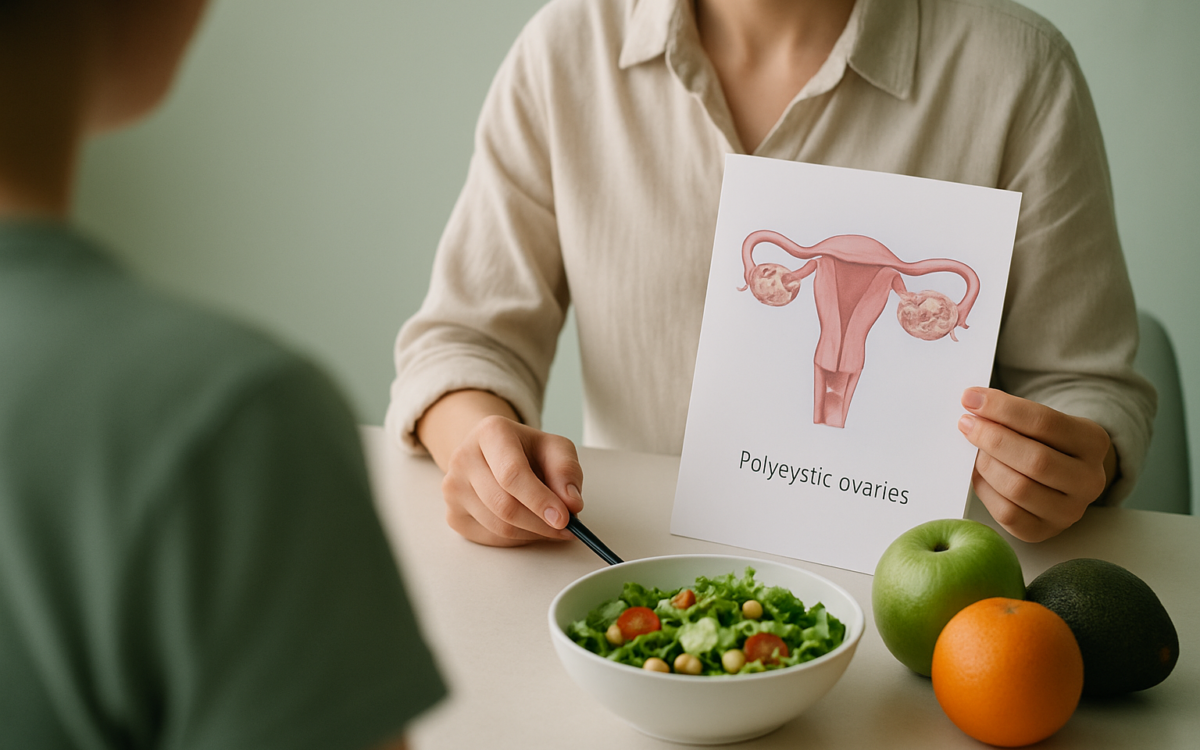
Polycystic ovary syndrome (PCOS) is a common hormonal disorder that affects many women of reproductive age. One of the most effective strategies for managing PCOS symptoms is a well-balanced diet. Eating the right foods can significantly enhance your quality of life and help you manage conditions such as insulin resistance, obesity, and irregular menstrual cycles. In this article, we’ll explore dietary tips tailored for women with polycystic ovaries.
Understanding Polycystic Ovaries
Polycystic ovary syndrome can cause a range of symptoms, including irregular periods, excess androgen levels, and polycystic ovaries. While the exact cause of PCOS is not entirely understood, research suggests that genetics and environment play critical roles. Women with PCOS often experience insulin resistance, which can lead to weight gain and other health complications. Therefore, managing your diet can be a proactive way to alleviate many of these symptoms while promoting overall health.
The Role of a Balanced Diet
A balanced diet can have a positive impact on hormone levels and insulin sensitivity. Foods rich in antioxidants, vitamins, and minerals can help reduce inflammation and improve overall health. Incorporating whole foods while avoiding processed options is key. Here’s how you can structure your diet:
Fruits and Vegetables
- Choose a variety of colorful fruits and vegetables, which are high in fiber and nutrients.
- Berries, leafy greens, and cruciferous vegetables like broccoli are excellent choices.
- Fiber helps slow down digestion, aiding in better blood sugar management.
Whole Grains
- Opt for whole grains over refined grains. Whole grains like brown rice, quinoa, and oats contain more nutrients and fiber.
- These grains can help maintain steady blood sugar levels, which is crucial for those with insulin resistance.
Healthy Fats and Proteins
Healthy fats and quality proteins support hormonal balance and can help you feel fuller longer. Here’s what to include:
Healthy Fats
- Incorporate sources of healthy fats, such as avocados, nuts, seeds, and olive oil. These fats are anti-inflammatory and beneficial for heart health.
- Fatty fish, like salmon and trout, are rich in omega-3 fatty acids, which may also assist in reducing inflammation.
Lean Proteins
- Include lean proteins such as chicken, turkey, tofu, beans, and lentils.
- Protein helps manage hunger and may assist in blood sugar regulation, which is particularly important for those with PCOS.
Foods to Avoid
While focusing on a healthy diet, it’s equally important to know which foods might exacerbate PCOS symptoms:
- Avoid highly processed foods and refined sugars. These can lead to spikes in blood sugar and insulin, worsening insulin resistance.
- Limit unhealthy fats found in fast food, processed snacks, and baked goods, as they can contribute to inflammation and weight gain.
- Be cautious with dairy and gluten, as some women report improved symptoms after reducing or eliminating these from their diets.
The Impact of Portion Control
Portion control is essential when managing PCOS through diet. This can prevent overeating and help maintain a healthy weight. Here are some strategies:
- Use smaller plates to help with portion sizes.
- Practice mindfulness while eating. Pay attention to hunger cues and eat slowly to avoid overeating.
- Consider meal prepping to help control portions and ensure you have healthy meals readily available.
Combining Diet with Lifestyle Changes
A healthy diet is most effective when combined with other lifestyle changes:
- Regular physical activity. Aim for at least 30 minutes of moderate exercise most days of the week. This can improve insulin sensitivity and aid in weight management.
- Stress management. High stress can worsen PCOS symptoms. Activities such as yoga, meditation, and deep breathing can be beneficial.
- Get enough sleep. Aim for 7-9 hours each night, as poor sleep can negatively affect hormone levels.
When to See a Doctor
If you suspect you have PCOS or are struggling to manage its symptoms, it is essential to consult a healthcare professional. Symptoms such as severe menstrual irregularities, obesity, or hair growth in unexpected areas should be discussed with your doctor. They can offer personalized advice and support to help you manage your condition effectively. For more information about PCOS and its management, you can refer to resources like the National Institutes of Health and the Mayo Clinic.
By focusing on a balanced diet and making healthy lifestyle choices, women with polycystic ovaries can manage their symptoms and enhance their well-being. Remember, individual needs vary, so it’s vital to find what works best for you.
