
For new parents, navigating the world of infant feeding can feel overwhelming, especially when it comes to handling breast milk. Whether you have pumped milk stored in the fridge or freezer, knowing how to rewarm it safely is crucial for your baby’s health. In this article, we’ll explore the best methods to rewarm breast milk, how to preserve its nutrients, and when to consult a doctor. Let’s dive into the essentials for safe breast milk preparation.
Understanding the Importance of Safe Rewarming
Breast milk is a miracle food, packed with essential nutrients that support your baby’s growth and development. However, improper handling during the rewarming process can lead to the loss of these nutrients or the growth of harmful bacteria. The key takeaway is that breast milk should never be boiled or heated directly in a microwave, as these methods can create hot spots that might burn your baby’s mouth and compromise the milk’s safety.
Methods for Rewarming Breast Milk
Here are some effective ways to rewarm breast milk:
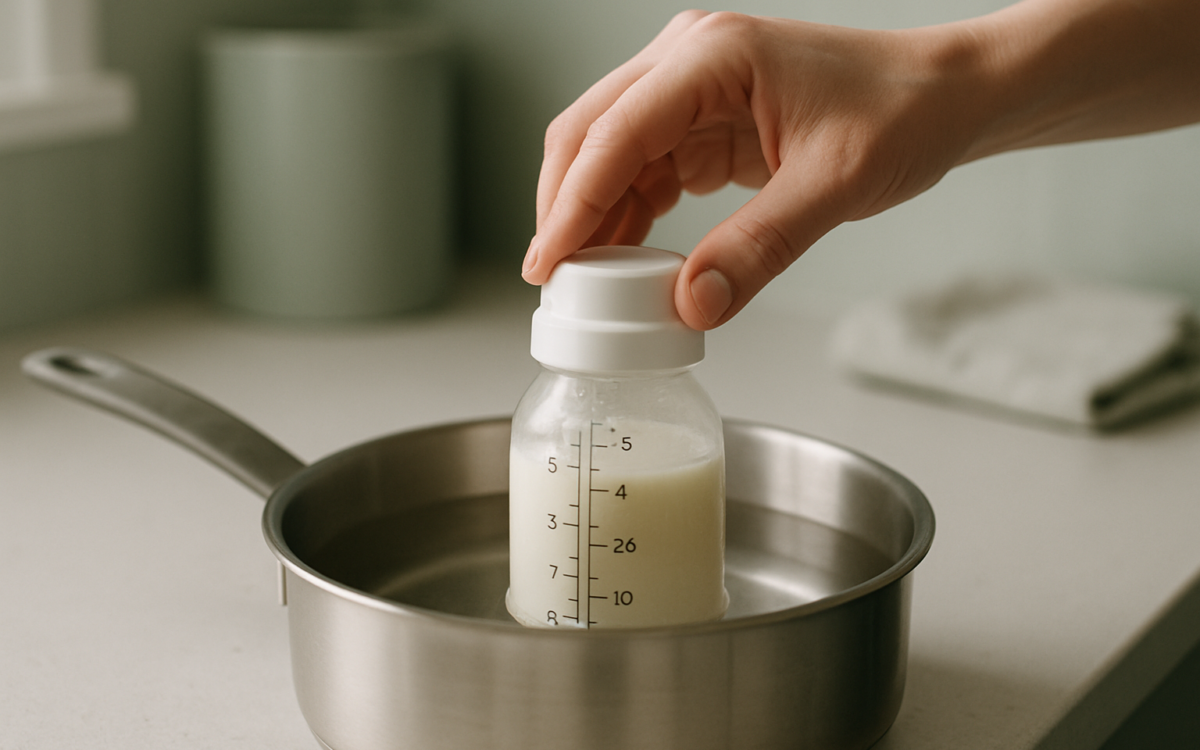
1. Warm Water Bath
This is one of the safest and most gentle methods:
- Fill a bowl or sink with warm water (not boiling).
- Place the sealed container of breast milk in the water, ensuring that no water enters the milk.
- Let it sit for about 5-10 minutes, occasionally swishing the water to maintain warmth.
Check the temperature of the milk with a few drops on your wrist before feeding it to your baby.
2. Bottle Warmer
If you have a bottle warmer, it can simplify the process:
- Follow the manufacturer’s instructions for your specific device.
- Ensure that the bottle warmer is clean and in good working condition.
Most bottle warmers have settings that allow you to warm milk safely and evenly.
3. Under Running Warm Water
If you’re short on time, running the breast milk container under warm tap water can work too:
- Make sure to keep the lid on securely.
- Run water over the bottle for a few minutes until it’s warmed through.
This method is quick and can be especially helpful when you’re on the go.
4. Microwave—Avoid It!
While it might be tempting, using a microwave to rewarm breast milk is not recommended. Microwaves heat unevenly and can create hot spots that might scald your baby. Additionally, microwaving can break down some of the beneficial components in breast milk, leading to nutrient loss. Instead, stick to the safer methods above.
How to Store Breast Milk Properly
Before diving into rewarming techniques, it’s important to store breast milk safely:
- Store fresh breast milk in clean, airtight containers or bottles.
- Refrigerate milk if using within 4 days, or freeze it for later use.
- Label containers with the date and time to keep track of freshness.
Breast milk can be stored in the refrigerator for up to four days and can last up to six months in the freezer. When it comes time to rewarm frozen milk, move it to the refrigerator for 24 hours before warming it, or place it directly in a warm water bath.
Benefits of Exploring International Practices
In different cultures around the world, practices for breastfeeding and milk handling can vary significantly. For instance, some health centers offer specialized guidance on infant feeding, including breast milk handling based on local customs and scientific research. If you are interested in an international perspective on breastfeeding practices, resources like acibademinternational.com can provide insights into local standards and practices that may benefit your family.
Common Misunderstandings About Rewarming Breast Milk
There are a few myths surrounding breast milk rewarming that can lead to unsafe practices. Here are some truths:
- Myth: It is okay to leave breast milk out at room temperature for too long.
- Truth: Once thawed or warmed, breast milk should not be left out for longer than 2 hours.
- Myth: It is okay to reheat breast milk multiple times.
- Truth: Once breast milk is warmed, it should not be refrozen or reheated. Discard any leftovers.
Awareness of these facts ensures the milk remains safe and nutritious for your baby.
When to See a Doctor
If you notice any unusual symptoms in your baby after feeding them breast milk, such as excessive fussiness, vomiting, or signs of an allergic reaction, consult your pediatrician. It’s always better to be cautious when it comes to your child’s health.
It’s essential to stay informed about the best practices for handling breast milk. By following these guidelines, you can ensure that your baby receives all the nutritional benefits of this remarkable natural food without compromising their health.
