
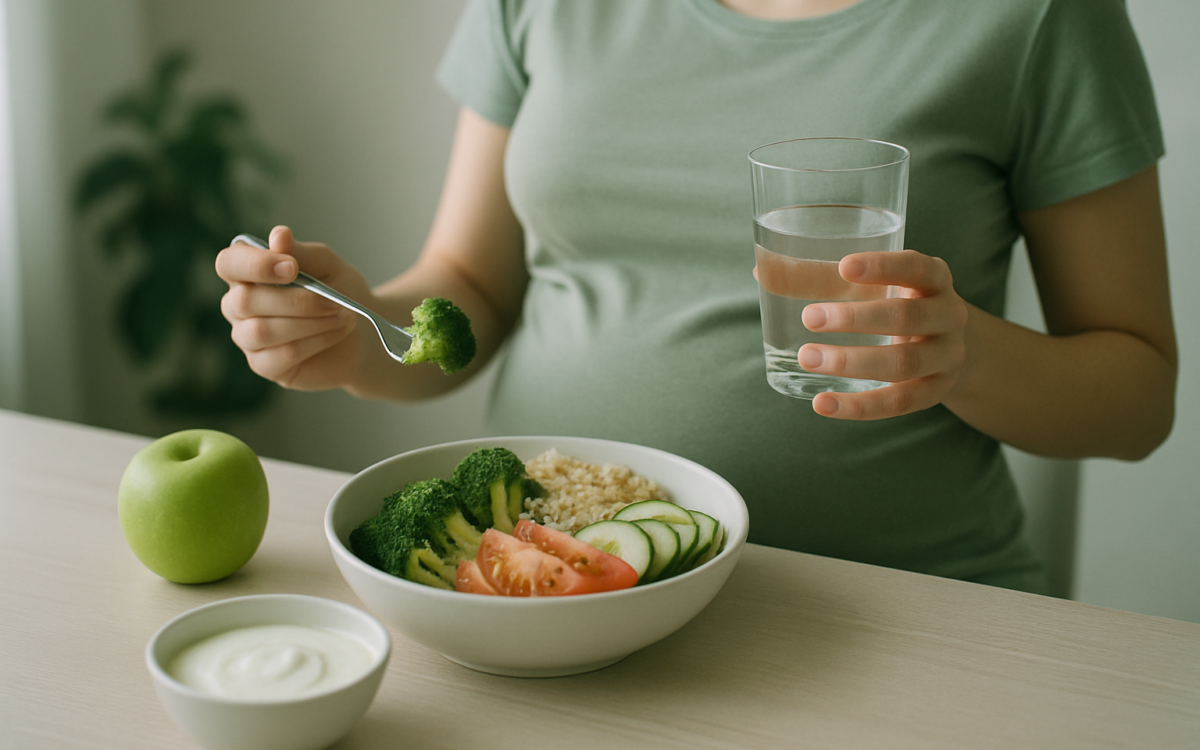
Pregnancy is a pivotal time in a woman’s life, not only for her but also for her developing baby. One of the most impactful ways to support both maternal and fetal health is through a well-balanced and nutritious diet. Understanding the essential nutrients needed and how to incorporate them into your meals can create a foundation for a healthy pregnancy.
Understanding Nutritional Needs during Pregnancy
During pregnancy, a woman’s body undergoes significant changes to support the growing fetus. This includes an increased caloric intake, which is typically recommended to rise by about 300 calories per day in the second and third trimesters. However, it’s not merely about consuming more calories; the focus should be on the quality of the food consumed.
The Importance of Key Nutrients
To ensure both mother and baby receive optimal nutrition, certain nutrients become incredibly important during pregnancy:
- Folic Acid: Vital for preventing neural tube defects, folic acid should be taken before conception and during pregnancy. Aim for 400 to 800 micrograms per day from foods like leafy greens, nuts, and fortified cereals. (CDC)
- Iron: Pregnant women require about double the usual amount of iron, as it supports the growing baby’s blood supply. Incorporate iron-rich foods such as lean meats, beans, and spinach, along with vitamin C sources like oranges or bell peppers to enhance absorption.
- Calcium: Essential for the development of the baby’s bones and teeth, calcium intake should increase. Aim for 1,000 milligrams a day from dairy products, leafy greens, and fortified plant milk.
- Omega-3 Fatty Acids: Important for brain development, omega-3s can be found in fatty fish like salmon, flaxseeds, and walnuts. Aim for at least two servings of fish per week.
Creating Balanced Meals
Now that you know the essential nutrients, how can you incorporate them into your daily meals? Here’s a simple outline to create balanced meals:
- Fruits and Vegetables: Aim for at least five servings a day. They provide essential vitamins, minerals, and fiber.
- Whole Grains: Choose whole grains over refined grains. Opt for brown rice, quinoa, whole-grain bread, and oats to boost fiber content.
- Proteins: Include a variety of protein sources such as lean meats, poultry, fish, beans, and nuts. Plant-based proteins are especially beneficial.
- Dairy: Incorporate low-fat or fat-free dairy products or fortified alternatives to ensure adequate calcium and vitamin D.
Hydration and Prenatal Vitamins
Staying hydrated is crucial during pregnancy. Aim for at least 8-10 cups of water daily. Dehydration can lead to complications, so consider electrolyte drinks or water-rich foods like fruits and vegetables. Furthermore, despite a balanced diet, it’s often recommended to take prenatal vitamins as a form of insurance to cover all your nutritional bases. Consult with your healthcare provider for personalized recommendations.
Foods to Avoid
Not all foods are safe during pregnancy. Certain items can pose risks to fetal development:
- Raw or Undercooked Seafood and Meats: These can harbor harmful bacteria.
- Certain Fish: Limit fish high in mercury, like shark and swordfish.
- Unpasteurized Dairy Products: These can contain harmful bacteria and should be avoided.
- Processed Junk Foods: High in empty calories, they can lead to excessive weight gain and potential complications.
Emotional Wellbeing and Eating
Pregnancy can be an emotional roller-coaster, and the relationship with food can change as well. Cravings and aversions are common. It’s crucial to listen to your body, but also to find balance. Healthy snacks like yogurt, fruits, and nuts can help manage cravings in a nutritious way. Remember, it’s okay to indulge occasionally, but try to focus on nourishing choices.
When to See a Doctor
If you have concerns about your diet or are struggling with severe cravings or aversions, it’s important to reach out to your healthcare provider. Additionally, if you have any existing health conditions or are taking medications, consult your doctor about dietary restrictions or supplements relevant to your situation.
Maintaining open communication with your healthcare team can help you navigate your nutritional needs effectively and support a healthy pregnancy.
Conclusion
In essence, a healthy diet for pregnant mothers is a blend of essential nutrients tailored to the unique needs of pregnancy. By focusing on a variety of whole foods and staying informed on nutritional guidelines, you can help provide the best environment for your baby’s growth. Pregnancy is a journey, and nourishing oneself along the way is a vital part of that path.
