
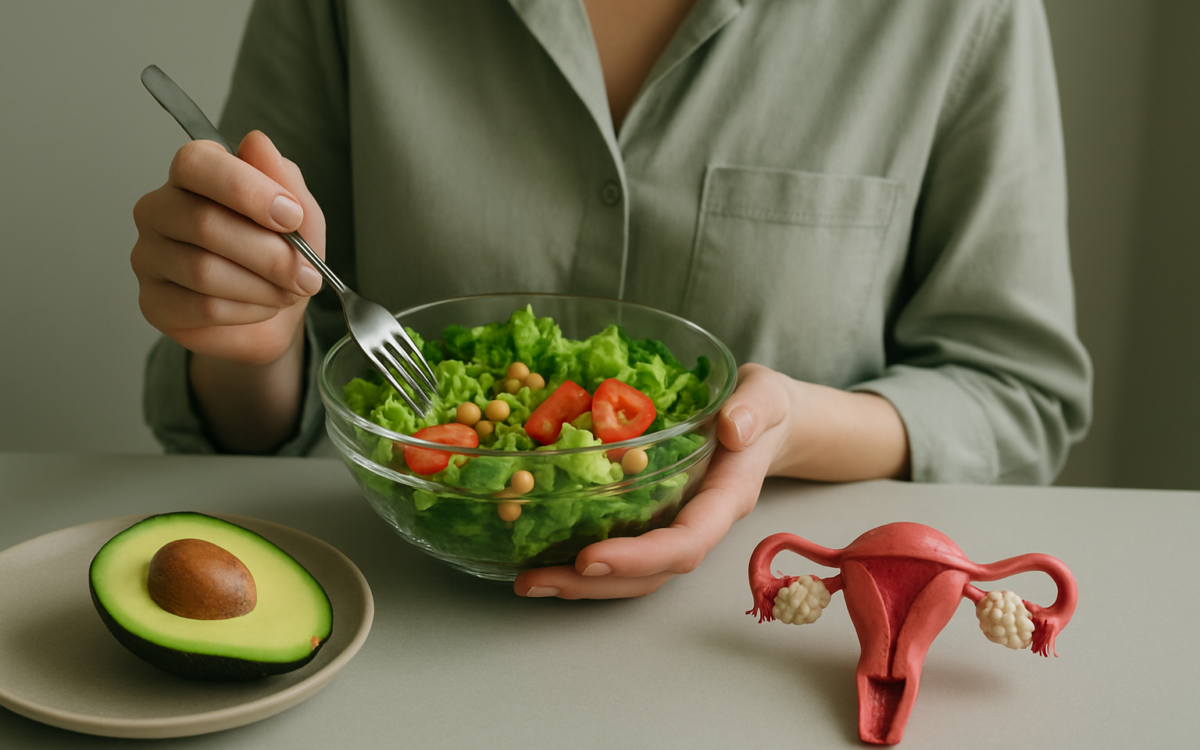
Polycystic ovary syndrome (PCOS) affects many women, creating hormonal imbalances that can lead to a variety of health challenges. Understanding how diet can play a supportive role in managing symptoms is crucial. This article will guide you through the best dietary choices to help you feel your best and promote overall well-being.
The Importance of Diet in Managing PCOS
Diet plays a pivotal role in managing PCOS, mainly due to its impact on insulin sensitivity and inflammation. Women with PCOS often struggle with insulin resistance, which can lead to weight gain and difficulties in metabolic health. A balanced and nutrient-rich diet can help combat these issues by supporting healthy insulin levels and reducing inflammation.
Foods to Incorporate for Hormonal Balance
When considering the best diet for polycystic ovaries, focus on whole, unprocessed foods. Here are some recommendations:
- Fruits and Vegetables: Aim for a variety of colors. Dark leafy greens, berries, and cruciferous vegetables like broccoli can be particularly beneficial.
- Whole Grains: Choose whole grains over refined carbohydrates. Options like brown rice, quinoa, and whole wheat bread help maintain steady blood sugar levels.
- Healthy Fats: Incorporate sources of omega-3 fatty acids, such as fatty fish, walnuts, and flaxseeds, which can help reduce inflammation.
- Lean Proteins: Include lean meats, beans, and legumes in your diet to help regulate hunger and promote muscle mass.
Foods to Limit for Better Health
In addition to what to include in your diet, it’s essential to know what to limit:
- Refined Carbohydrates: Foods like white bread, pastries, and sugary snacks can spike insulin levels and worsen symptoms.
- Saturated and Trans Fats: Limit red meats and processed snacks to keep inflammation levels in check.
- Processed Sugars: Minimize your intake of sweetened beverages and candy. Instead, satisfy your sweet tooth with fruits.
The Role of Portion Control and Meal Timing
Besides the types of food you eat, consider portion sizes and meal timing. Eating smaller, balanced meals throughout the day can help regulate blood sugar levels. Additionally, some women find benefits from intermittent fasting. This approach can help improve insulin sensitivity, but it’s essential to consult your doctor before making significant changes.
Sustaining a Healthy Lifestyle
A proper diet is just one piece of the puzzle. To support overall health with PCOS, integrate the following lifestyle habits:
- Regular Exercise: Aim for at least 150 minutes of moderate-intensity activity each week. Exercise can improve insulin sensitivity and promote weight management.
- Stay Hydrated: Drink plenty of water throughout the day. Proper hydration supports every bodily function, including metabolism.
- Manage Stress: Practices like yoga, meditation, or even walking can reduce stress levels, which is crucial as stress can exacerbate hormonal imbalances.
When to See a Doctor
If you’re experiencing symptoms of PCOS such as irregular periods, weight gain, or excessive facial hair, it’s important to consult a healthcare professional. They can offer you a tailored management plan, including dietary recommendations and other lifestyle changes, to help you navigate your symptoms effectively.
Conclusion
Finding the best diet for polycystic ovaries is about making mindful choices that prioritize your health. By focusing on whole, nourishing foods and adopting healthy lifestyle habits, you can manage PCOS symptoms and enhance your quality of life. Remember, every individual is unique, so what works for one person may not work for another. Always consult with your healthcare provider before making significant dietary changes.
