
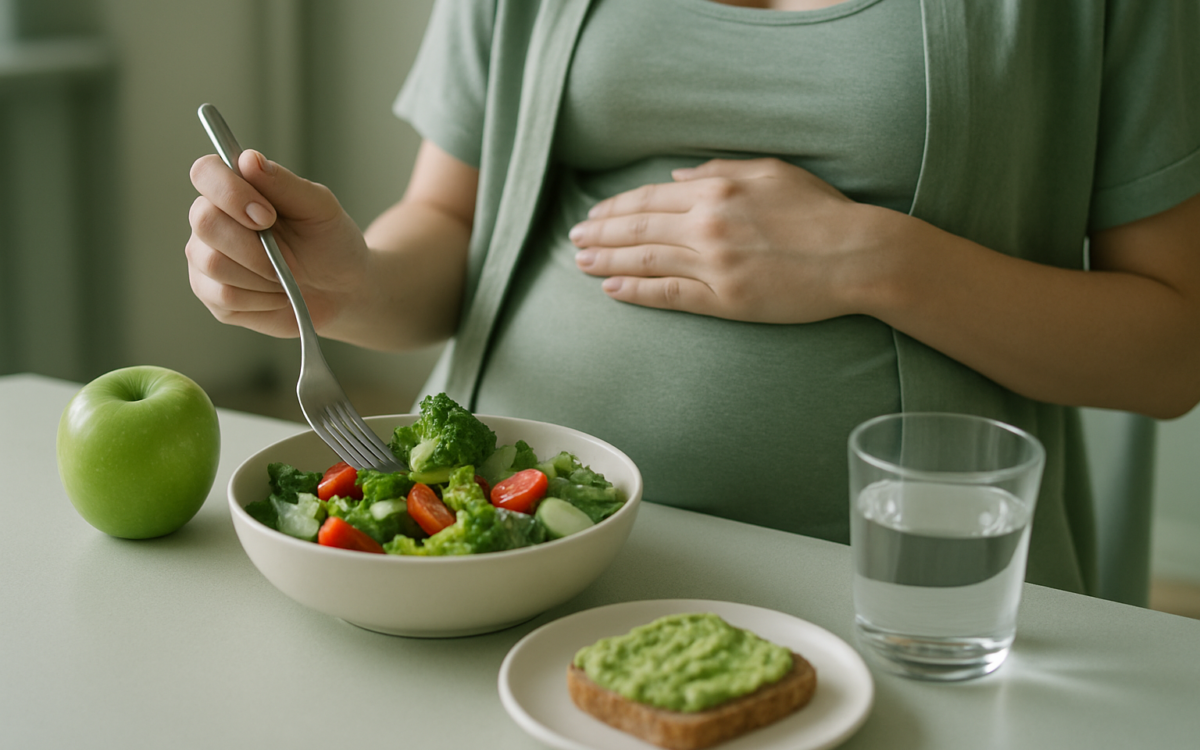
Pregnancy is a remarkable journey that brings joy, excitement, and, of course, a few challenges. One of the most crucial components of a healthy pregnancy is proper nutrition. Eating well not only supports the development of your baby but also helps you feel your best during this important time. In this article, we’ll explore the essential components of a healthy diet for pregnant women.
Understanding Nutritional Needs
During pregnancy, your body experiences significant changes. These changes increase your nutritional needs, particularly for certain vitamins and minerals. It’s vital to focus on foods that provide the right balance of nutrients. Key nutrients include:
- Folic Acid: Essential for preventing neural tube defects, found in leafy greens, citrus fruits, and fortified cereals.
- Iron: Supports increased blood volume and fetal growth; sources include lean meats, beans, and spinach.
- Calcium: Important for developing strong bones; found in dairy products, nuts, and fortified plant milks.
- Omega-3 Fatty Acids: Crucial for brain development; found in fatty fish, flaxseeds, and walnuts.
For more detailed information about the nutritional needs of pregnant women, you can visit the NIH.
Building a Balanced Plate
Creating balanced meals is essential for getting all the nutrients you need. Aim to fill your plate with:
- Fruits and Vegetables: Aim for a variety of colors with each meal. They provide essential vitamins and fiber.
- Whole Grains: Choose brown rice, whole wheat bread, and oats over refined grains for more nutrients and fiber.
- Lean Proteins: Include chicken, turkey, fish, eggs, beans, and nuts for protein, which is essential for growth.
- Healthy Fats: Opt for avocados, olive oil, and nuts, which provide energy and help with nutrient absorption.
Hydration is Key
Staying hydrated is equally important as nutrition during pregnancy. Proper hydration helps with digestion, nutrient transportation, and can even help reduce swelling and fatigue. Here are a few tips for staying hydrated:
- Drink water throughout the day and keep a water bottle handy.
- Incorporate hydrating foods like cucumbers, watermelon, and oranges into your meals.
- Avoid excessive caffeine and sugary drinks, which can lead to dehydration.
Foods to Avoid
While it’s essential to focus on what to eat, knowing which foods to avoid is equally crucial. Some foods can pose risks during pregnancy:
- Raw or Undercooked Seafood, Eggs, and Meat: These can contain harmful bacteria or parasites.
- Certain Fish: Fish high in mercury, like shark and swordfish, should be avoided. Instead, opt for low-mercury fish like salmon and shrimp.
- Deli Meats and Unpasteurized Products: These can carry listeria, which is harmful during pregnancy.
Managing Cravings and Nausea
It’s normal for pregnant women to experience cravings or morning sickness, especially during the first trimester. Here are some strategies to manage these challenges:
- For cravings, try to focus on healthier options. If you crave sweets, consider fresh fruit instead of candy.
- To combat nausea, small, frequent meals can help. Foods like crackers, ginger tea, or bland cereals may provide relief.
- Stay mindful of portion sizes to avoid overeating, which can cause indigestion or discomfort.
Planning Your Meals
Planning meals can help ensure you’re getting a balanced diet throughout the day. Here are some tips for meal planning during pregnancy:
- Prepare a weekly menu that includes a variety of foods to meet nutritional needs.
- Involve your partner or family in preparing healthy meals together, making it fun!
- Consider batch cooking and freezing meals for those days when you may not feel like cooking.
When to See a Doctor
While a healthy diet can greatly improve your experience during pregnancy, it’s essential to consult your healthcare provider for personalized advice. If you experience severe nausea, food aversions, or find it hard to maintain a balanced diet, seeking guidance from a doctor or a registered dietitian is recommended.
Conclusion
Nourishing your body during pregnancy is vital for both your health and your baby’s development. By focusing on a balanced diet rich in essential nutrients, staying hydrated, and managing cravings wisely, you can make this journey smoother and more enjoyable. Always remember to consult with your healthcare provider to tailor your diet to your specific needs. Embrace this beautiful chapter, and take care of yourself!
