
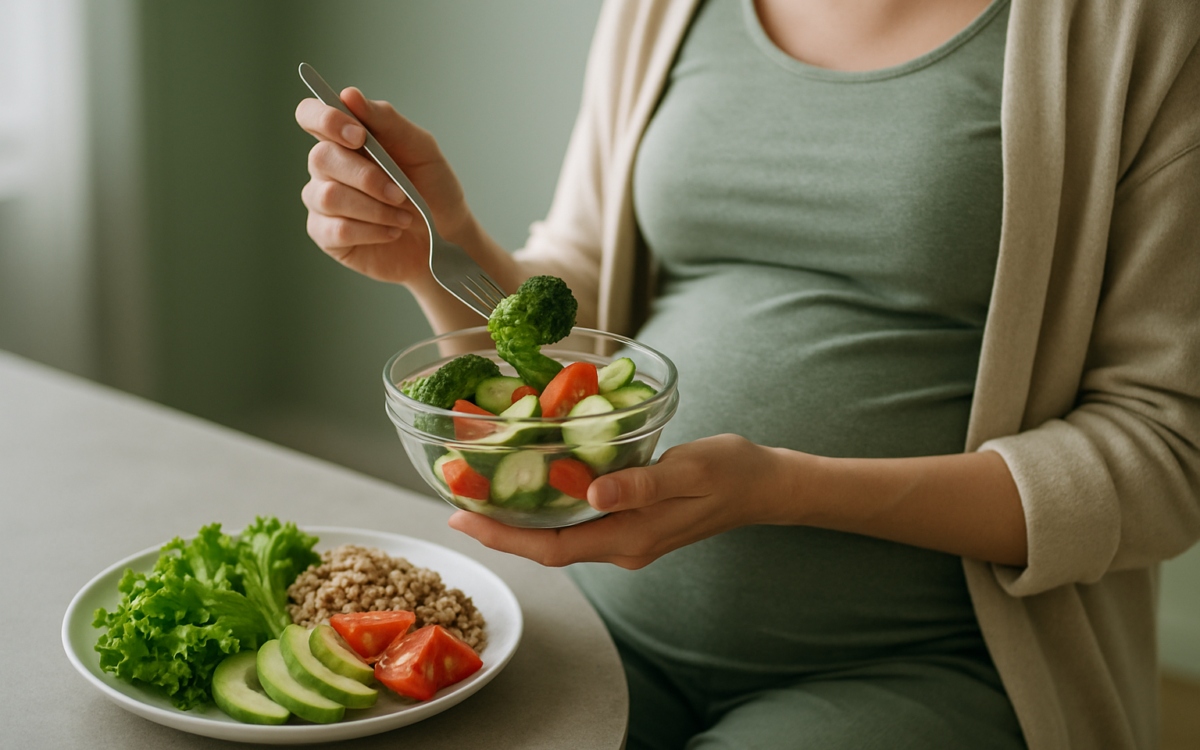
Pregnancy is a beautiful journey filled with excitement and anticipation, but it also comes with important responsibilities—especially when it comes to nutrition. A healthy diet for pregnant women is crucial, not just for the mother’s well-being but also for the baby’s development. Understanding how to nourish your body and your growing baby can make all the difference during this special time.
The Importance of Nutrition During Pregnancy
Your body undergoes significant changes during pregnancy, and proper nutrition plays a key role in supporting those changes. A healthy diet helps in the growth and development of the fetus and can help prevent complications such as gestational diabetes and high blood pressure.
According to the Centers for Disease Control and Prevention (CDC), focusing on what you eat during pregnancy lays the groundwork for a healthy birth and can impact your child’s health later in life.
Key Nutrients for Pregnant Women
When it comes to creating a balanced diet, certain nutrients become even more critical. Here are some key nutrients that pregnant women should prioritize:
- Folic Acid: Essential for the development of your baby’s neural tube, folic acid can help prevent serious birth defects. Pregnant women should aim for at least 600 micrograms daily, which can be found in leafy greens, nuts, and fortified cereals.
- Iron: Increased blood volume during pregnancy demands more iron to support oxygen delivery to your baby. Foods rich in iron include lean meats, beans, and spinach.
- Calcium: Vital for the development of your baby’s bones and teeth, pregnant women should consume around 1,000 milligrams daily, found in dairy products, tofu, and fortified plant-based milk.
- Omega-3 Fatty Acids: Important for brain development, omega-3s can be sourced from fatty fish like salmon, walnuts, and flaxseeds.
- Protein: Supports the growth of fetal tissue, including the brain. Aim for about 71 grams daily through lean meats, eggs, dairy, beans, and nuts.
Healthy Food Choices
Incorporating a variety of foods into your diet ensures you get the nutrients you and your baby need. Here are some healthy choices to consider:
Fruits and Vegetables
Eating a rainbow of fruits and vegetables provides essential vitamins, minerals, and fiber. Opt for local and seasonal produce whenever possible, as it’s often fresher and more flavorful.
Whole Grains
Whole grains like brown rice, quinoa, barley, and oats are excellent sources of energy and provide necessary fiber. These can help prevent constipation, a common issue during pregnancy.
Lean Proteins
Incorporate a variety of protein sources, such as chicken, fish, tofu, and legumes. This not only helps with fetal growth but can also keep you feeling full longer.
Dairy or Alternatives
Dairy products are a significant source of calcium and vitamin D. If you’re lactose intolerant or prefer non-dairy options, plenty of fortified alternatives are available, such as almond or soy milk.
Managing Pregnancy Cravings and Aversions
Pregnancy can bring about strange cravings and aversions to certain foods. It’s normal to desire a variety of flavors and textures, but try to maintain balance and moderation. Here are a few tips:
- Listen to your body: If you’re craving something, it’s okay to indulge occasionally. The key is not to overdo it.
- Find healthier alternatives: If you’re craving sweets, try fruits or yogurt instead of sugary snacks.
- Stay hydrated: Sometimes cravings can be confused with hunger. Ensure you’re drinking enough water throughout the day.
- Balance your plate: Make sure to include fruits, veggies, protein, and whole grains in each meal, especially when trying new foods.
Supplements: Do They Help?
Even with a balanced diet, some nutrients may be challenging to get enough of, which is where supplements can come into play. Prenatal vitamins are specifically designed for pregnant women and usually contain higher levels of folic acid, iron, and other important nutrients.
While supplements can help, they shouldn’t replace a healthy diet. Speak with your healthcare provider about which vitamins might be beneficial for you during your pregnancy.
When to See a Doctor
Your healthcare provider is your best resource throughout your pregnancy. If you are experiencing anything unusual regarding your diet, such as severe aversions to food, significant weight loss, or persistent nausea and vomiting, it’s essential to consult with a doctor.
Additionally, if you have dietary restrictions or specific health concerns, planning your diet with a professional can ensure both you and your baby are getting all the nutrients you need.
For more information on nutritional guidelines during pregnancy, you may refer to the World Health Organization (WHO) or consult reputable healthcare resources such as the Mayo Clinic.
In conclusion, maintaining a healthy diet during pregnancy requires attention to variety, balance, and nutrition. By focusing on nutrient-rich foods and staying in communication with your healthcare provider, you can give your baby the best start in life while nurturing your own health.
