
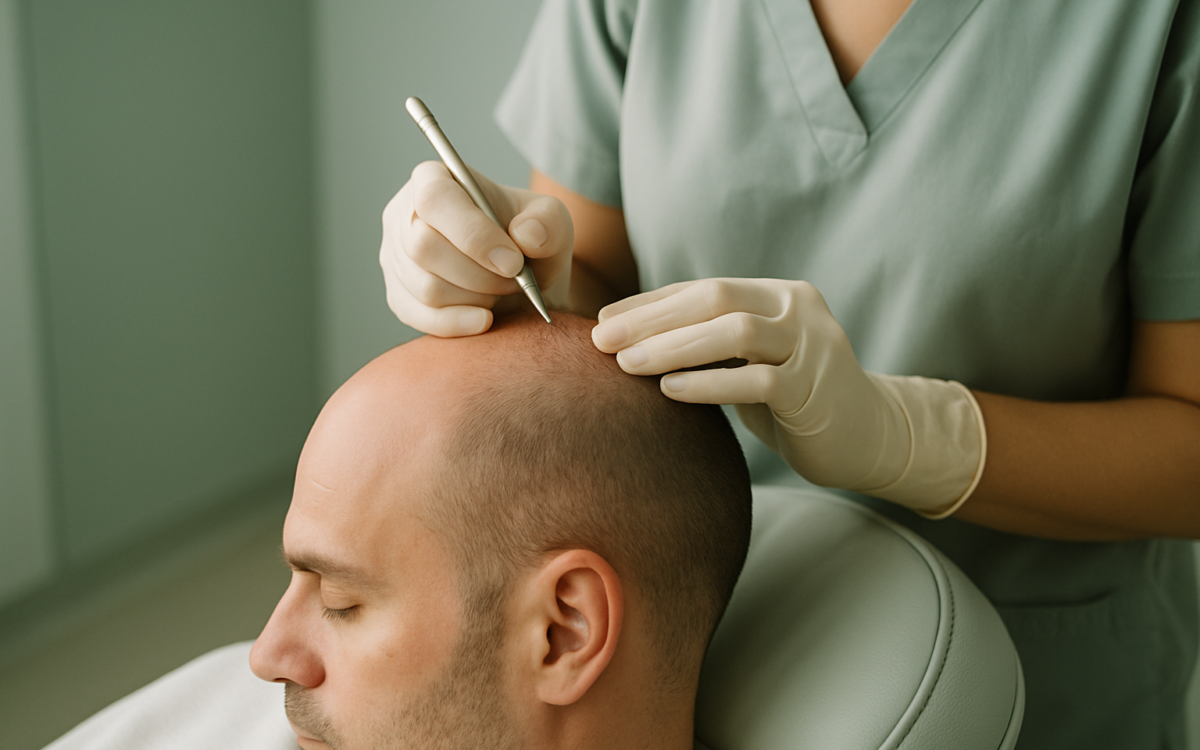
Hair loss can be a challenging experience, affecting not just your appearance but also your confidence. If you’re struggling with thinning hair or bald spots, you might have heard about hair plantation. This treatment has gained popularity in recent years as a way to restore a fuller head of hair. In this article, we will explore what hair plantation is, how it works, the different techniques used, and what you need to consider before deciding to undergo the procedure.
What is Hair Plantation?
Hair plantation, often referred to as hair transplant or hair restoration, is a surgical procedure that involves moving hair follicles from one part of the body to another. The term ‘plantation’ refers to the process of taking healthy hair grafts and implanting them into areas where hair is thinning or completely lost. The goal is to provide a natural look by utilizing your own hair.
How Does Hair Plantation Work?
The hair plantation process typically involves two main techniques: Follicular Unit Extraction (FUE) and Follicular Unit Transplantation (FUT).
Follicular Unit Extraction (FUE)
In the FUE method, individual hair follicles are extracted directly from the donor area, usually the back of the scalp, using a tiny punch tool. This technique is less invasive, leaving minimal scars and requiring a shorter recovery time. The extracted follicles are then placed into small incisions in the balding area of the scalp.
Follicular Unit Transplantation (FUT)
FUT, often referred to as the strip method, involves removing a strip of scalp from the donor area. The strip is then divided into individual follicular units for transplantation. While this method may leave a longer scar, it can sometimes provide a larger number of grafts in a single session.
Benefits of Hair Plantation
Hair plantation comes with several advantages that contribute to its popularity:
- Natural Results: Because the transplanted hair comes from the patient’s own body, it often looks natural and blends seamlessly with the existing hair.
- Long-Lasting: The results of a hair plantation can be permanent, especially when performed by a qualified professional.
- Boosts Confidence: For many individuals, restoring hair helps improve self-esteem and confidence.
Who is an Ideal Candidate for Hair Plantation?
Not everyone is a suitable candidate for hair plantation. Ideal candidates include:
- Those with stable hair loss.
- Individuals who have sufficient hair in the donor area.
- People who are in good health and have realistic expectations about the outcomes.
On the other hand, people with certain medical conditions or significant hair loss may not benefit as much from the procedure.
International Considerations for Hair Plantation
If you are considering hair plantation, you may find that many international clinics offer high-quality procedures at competitive prices. Traveling abroad for treatments is becoming common for those seeking healthcare solutions. Clinics like international patient services can provide resources to help you find accredited facilities and experienced surgeons.
What to Expect During the Procedure
The hair plantation procedure generally takes several hours, depending on the size of the transplant. Here’s what to expect:
- You will receive a local anesthetic to numb the donor area.
- The surgeon will extract hair using one of the methods mentioned earlier.
- Once the follicles are ready, the surgeon will carefully implant them in the recipient area.
After the procedure, patients will receive post-operative instructions, including care tips for optimal recovery.
Potential Risks and Considerations
As with any surgical procedure, hair plantation carries some risks. Possible side effects include:
- Infection
- Scarring
- Unnatural-looking hair growth
- Shock loss, where existing hair falls out temporarily after the procedure
It’s crucial to discuss these risks with your healthcare provider, as well as setting realistic expectations for the results.
When to See a Doctor
If you are experiencing significant hair loss, it’s wise to consult a healthcare provider or a specialist in hair restoration. They can help determine the underlying cause of your hair loss and evaluate whether hair plantation is a suitable option for you.
Hair plantation is a transformative procedure for many individuals struggling with hair loss. By understanding the various aspects of it, from techniques and benefits to potential risks, you can make an informed decision about your hair restoration journey.
