
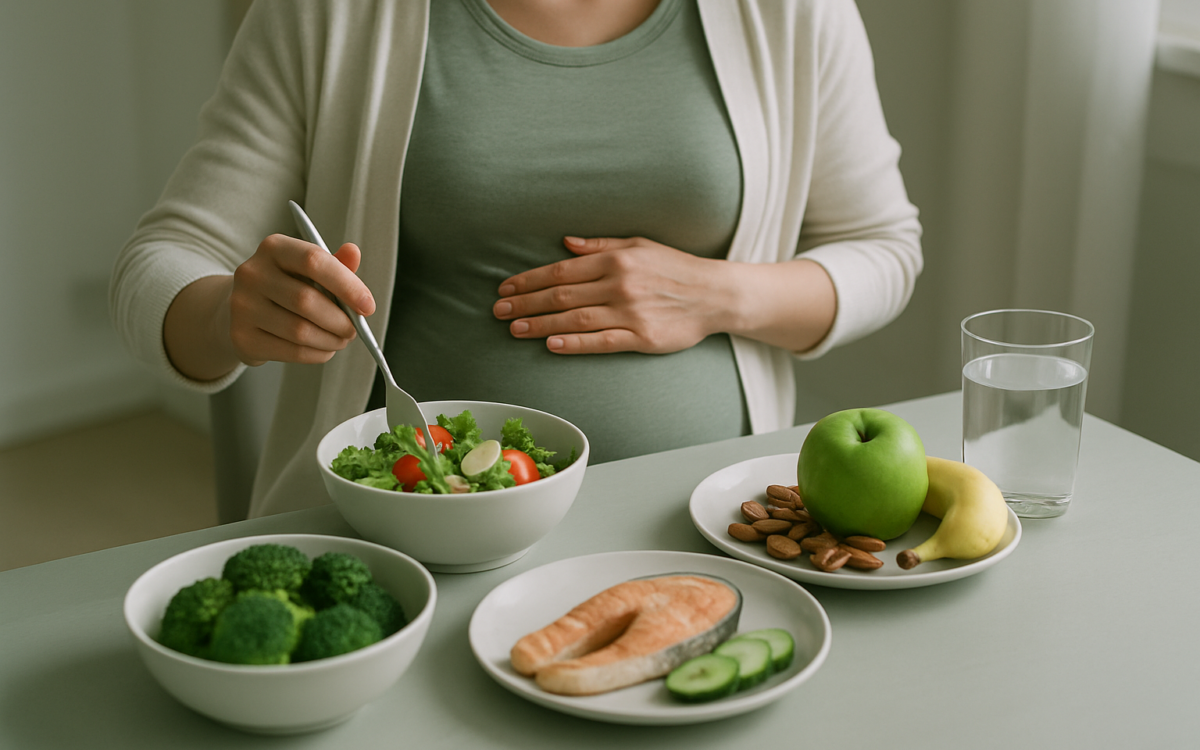
Pregnancy is a beautiful journey, but it also comes with the responsibility of ensuring both mother and baby are nourished properly. A balanced diet is crucial for promoting healthy growth and development during this transformative time. But what exactly does a balanced diet for a pregnant woman look like? Let’s dive into the essential components.
The Importance of a Balanced Diet
A balanced diet provides the right mix of nutrients to support the body’s increased demands during pregnancy. According to the National Institutes of Health, a healthy diet can help reduce the risk of complications, nurture a healthy weight gain, and even promote better fetal development.
Key Nutrients to Include
During pregnancy, certain nutrients become even more important. Here’s a breakdown of what expecting mothers should prioritize:
1. Folate (Folic Acid)
Folate is vital for preventing neural tube defects in the developing baby. Pregnant women should aim for at least 600 micrograms of folate daily. Good sources include:
- Leafy green vegetables such as spinach and kale
- Citrus fruits
- Legumes like lentils and chickpeas
- Fortified cereals and breads
2. Iron
Iron is necessary for producing additional blood supply for both mother and baby. Pregnant women should aim for 27 milligrams of iron per day. Incorporate iron-rich foods such as:
- Red meat and poultry
- Fish
- Beans and lentils
- Spinach and broccoli
3. Calcium
Calcium supports the development of the baby’s bones and teeth. Pregnant women need about 1,000 milligrams of calcium daily. Incorporate sources like:
- Dairy products such as milk, yogurt, and cheese
- Fortified plant-based milks
- Leafy greens and tofu
4. Protein
Protein is essential for the rapid growth of the baby and the development of maternal tissues. Pregnant women should aim for 71 grams of protein per day. Good sources include:
- Lean meats
- Poultry
- Fish (be cautious with choices due to mercury levels)
- Eggs
- Nuts and legumes
Healthy Eating Patterns
In addition to focusing on specific nutrients, adopting healthy eating patterns is beneficial. Here are some practical tips for maintaining a balanced diet:
1. Variety is Key
Eating a wide range of foods ensures a broad spectrum of nutrients. Aim to include fruits, vegetables, whole grains, lean proteins, and healthy fats in your meals.
2. Stay Hydrated
Hydration is crucial during pregnancy. Drinking enough water can help manage symptoms like swelling and maintain amniotic fluid levels. The general recommendation is about 8-10 cups of fluids daily, but individual needs may vary.
3. Limit Certain Foods
While focusing on a balanced diet, it’s important to limit potentially harmful foods:
- Processed foods high in added sugars and unhealthy fats
- Caffeine intake should be moderated, ideally keeping it under 200 mg per day
- Limit consumption of fish that are high in mercury, such as swordfish and shark
The Role of Prenatal Vitamins
Even with a well-balanced diet, it can be challenging to get all the essential nutrients from food alone. Prenatal vitamins are specifically formulated to support the health of pregnant women and their babies. These usually contain higher levels of folic acid, iron, and calcium, among other nutrients. Always consult with a healthcare provider before starting any supplement regimen.
Listening to Your Body
Pregnancy can come with cravings and aversions, which can complicate dietary choices. It’s important to listen to your body while still aiming for a balanced intake of nutrients. If cravings lead you towards unhealthy food choices, try to incorporate healthier options when possible. For example, if you’re craving sweets, consider fruit or yogurt instead.
When to See a Doctor
While a well-balanced diet is essential, every pregnancy is unique. If you have specific dietary concerns, experience significant weight loss, or feel lethargic or unwell, it’s important to consult with your healthcare provider. They can help tailor dietary recommendations to suit your individual needs during pregnancy.
Conclusion
A balanced diet during pregnancy is not just about feeding yourself; it’s about nourishing your developing baby. By focusing on essential nutrients and maintaining healthy eating patterns, you can support a healthy pregnancy. Remember, it’s always wise to discuss your dietary choices and any concerns with a healthcare professional. Embrace the journey of motherhood with the knowledge that you’re doing your best for both you and your growing baby.
